- Private medical practitioners across Nigeria have strongly rejected the proposed National Health Facility Regulatory Agency (NHFRA) Bill, warning that it creates unnecessary bureaucratic layers over existing statutory medical boards.
- The Healthcare Providers’ Association of Nigeria (HCPAN) cautioned that the bill would significantly heighten operational costs, aggravate the ongoing mass migration of medical professionals, and force private clinics into liquidation.
- Industry leaders stated that the proposed framework serves primarily as an aggressive revenue-generating scheme for the government, which will inevitably push medical expenses higher for citizens relying on out-of-pocket healthcare.
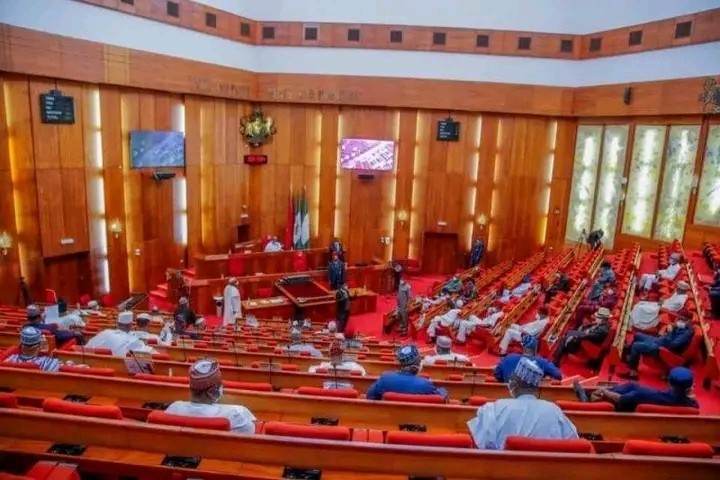
Private healthcare providers across Nigeria have unified in an urgent appeal to the National Assembly to completely withdraw the controversial National Health Facility Regulatory Agency (NHFRA) Bill.
Eko Hot Blog reports that practitioners warned that the legislative proposal would trigger a substantial spike in healthcare costs, duplicate the oversight functions of established institutional frameworks, and force a significant percentage of private hospitals across the country to shut down their operations permanently.
EDITOR’S PICKS
- FG Partners With Chinese Investors To Secure Land For 10,000-Home Mass Housing Project
- Intelligence Materials Were Shared With US, Not Seized – DHQ
- Man Arraigned in Adamawa Over Alleged Abuse Involving Daughter
Operating under the national umbrella of the Healthcare Providers’ Association of Nigeria (HCPAN), the professional body strongly rejected the bill during an emergency media briefing held in Lagos over the weekend.
The association maintained that the legislative push directly threatens the survival of private clinics, which currently cater to roughly 70 percent of the general population’s medical requirements.
Furthermore, leaders cautioned that implementing the bill would fuel the country’s severe brain drain, encouraging more physicians and nurses to join the ongoing mass migration out of the domestic workforce.
HCPAN leaders asserted that the core intent behind the legislative document points toward aggressive government revenue generation rather than improving actual clinical safety.
They noted that imposing fresh financial obligations on healthcare centers would penalize ordinary patients who are already dealing with high out-of-pocket expenses amidst a challenging macroeconomic climate.
The controversial NHFRA Bill, originally introduced in 2025 and sponsored by Senator Samaila Kaila representing Bauchi North, aims to establish an overarching federal body to regulate standards, handle accreditation, and inspect compliance across both public and private health facilities.
However, medical stakeholders argue that these administrative duties are already handled by boards such as the Medical and Dental Council of Nigeria (MDCN), the Nursing and Midwifery Council of Nigeria (NMCN), the Pharmacy Council of Nigeria (PCN), and various state hospital management bureaus.
Adding weight to the rejection, past HCPAN President Dr. Jimmy Arigbabuwo warned that the harsh realities of the bill could systematically regulate the private healthcare market into complete extinction.
He highlighted that independent medical centers are already battling immense operational pressures, with energy and fuel costs alone devouring up to 40 percent of their monthly overheads.
Arigbabuwo pointed out that some practitioners are already liquidating their medical equipment and converting their physical properties into hospitality businesses to survive.
Supporting this stance, former National President of the Association of Nigerian Private Medical Practitioners (ANPMP), Dr. Kayode Adesola, emphasized that the private medical community would remain fiercely united against any top-down imposition of the bill to protect vulnerable citizens.
Concurrently, the Lagos State Chairman of the Association of Community Pharmacists of Nigeria (ACPN), Tolulope Ajayi, advised that the federal government should drop the new bill and redirect its attention toward correcting the visible funding deficits, digitizing old systems, and solving the severe manpower shortages hampering the country’s existing health agencies.