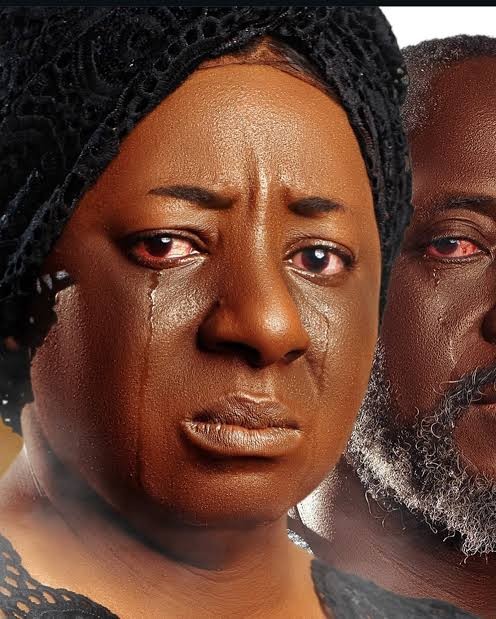
Beneath the emotional confrontations and family conflict lies a deeper question: What does it truly mean to raise children alone in a society built around two parents?
EDITOR’S PICK
- Why Africa Still Cannot Win the FIFA World Cup Despite Its World Class Talent
- Man Allegedly Slits Father’s Throat, Mutilates Body in Anambra
- Lagos Court Convicts Director, Company Over N822.4m Fraudulent Conversion
Single motherhood is one of the most misunderstood realities in Africa. It is often discussed with emotion rather than empathy, and judgment rather than understanding.

Yet behind every single mother is a story that is rarely simple. Some became widows. Some escaped abusive marriages. Some were abandoned during pregnancy. Others were left to shoulder responsibilities meant for two people.
The struggle is not merely financial. It is emotional, psychological and, in many cases, lifelong.
In African culture, the father occupies a significant place in the family. He is traditionally regarded as the protector, provider, guide and symbol of authority.
Whether society agrees with modern realities or not, this belief remains deeply rooted. A child’s identity, family history and sense of belonging have long been connected to the father’s presence.
This is why the absence of a father creates more than an empty seat at the dining table. It leaves unanswered questions in a child’s mind and places enormous pressure on the mother to become everything at once.
Many single mothers wake up every day carrying responsibilities that would ordinarily be shared. They become the breadwinner, caregiver, disciplinarian, emotional support, counsellor and decision maker. They work long hours, return home exhausted and still help with homework, prepare meals and worry about bills.
The psychological burden is immense. There is little room for rest because failure is not an option when children depend entirely on one parent.
Yet, despite these sacrifices, society often judges single mothers more harshly than absent fathers. Questions are asked about why the marriage failed, while little attention is paid to the man who abandoned his responsibilities.
Deadbeat fathers remain one of the greatest contributors to the struggles of single mothers. Fatherhood extends beyond biology. It requires emotional availability, financial support, guidance and active participation in a child’s life.
When a father deliberately neglects these responsibilities, the consequences are profound. The mother becomes overwhelmed, while the children often struggle with rejection, abandonment and confusion. Many silently ask themselves: Why wasn’t I enough? Why doesn’t my father want me?
Those questions do not disappear simply because they are ignored, however, Iya also reminds us of another reality that deserves honest discussion.
Pain can push a parent into making decisions that unintentionally hurt the very children they are trying to protect.
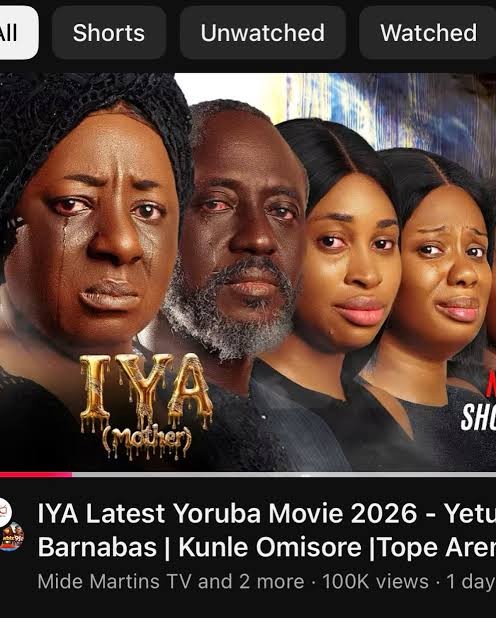
Some mothers, out of anger, disappointment or unresolved trauma, completely shut the father out of their children’s lives. Others tell their children that their father is dead when he is alive or constantly speak negatively about him. While such reactions may be understandable, they can create new emotional wounds.
Except in situations involving abuse or where contact would put the child at risk, mothers should keep the conversation about their children’s father open. They do not have to defend his failures or excuse his absence, but they should avoid deciding whether a relationship should exist. As children grow older, they deserve the truth and the opportunity to decide the kind of relationship they want with their father.
Parents can separate. Marriages can fail. Relationships can end. Parenthood, however, does not.
This does not excuse deadbeat fathers. On the contrary, it places even greater responsibility on them. A father who chooses absence leaves scars that may remain long after childhood. Financial neglect can be overcome. Emotional neglect is often far more difficult to heal.
Children remember birthdays missed, school events unattended, promises broken and years of silence. The emotional cost is enormous.
Society must also stop romanticising the idea that a single mother must always be strong. Strength should not become another burden. Single mothers deserve support from families, communities, religious institutions and governments.
They deserve affordable childcare, mental health support, flexible workplaces and legal systems that hold absent fathers accountable.
The greatest lesson from Iya is that parenting is not about control. It is about raising emotionally healthy adults.
Love should not become possession. Protection should not become manipulation. Pain should not become inheritance.
Children deserve honesty. They deserve both parents whenever it is safe and possible. Where that cannot happen, they deserve the truth delivered with maturity rather than bitterness.
Single mothers deserve respect, not pity. Their sacrifices deserve recognition, not stereotypes. Fathers must equally be reminded that their responsibilities do not disappear because a relationship has ended.
The greatest victims of broken families are often the children. They deserve better than parental wars. They deserve better than lies. Above all, they deserve parents who place their emotional wellbeing above personal grievances.
Perhaps that is the conversation Iya invites Africa to have.
Lastly, Mide Martins deserves special recognition for delivering one of her finest performances. She does not merely portray a single mother; she embodies the emotional exhaustion, desperation and psychological burden of raising children alone. From the opening scene to the closing credits, she sustains an atmosphere of tension with remarkable conviction.
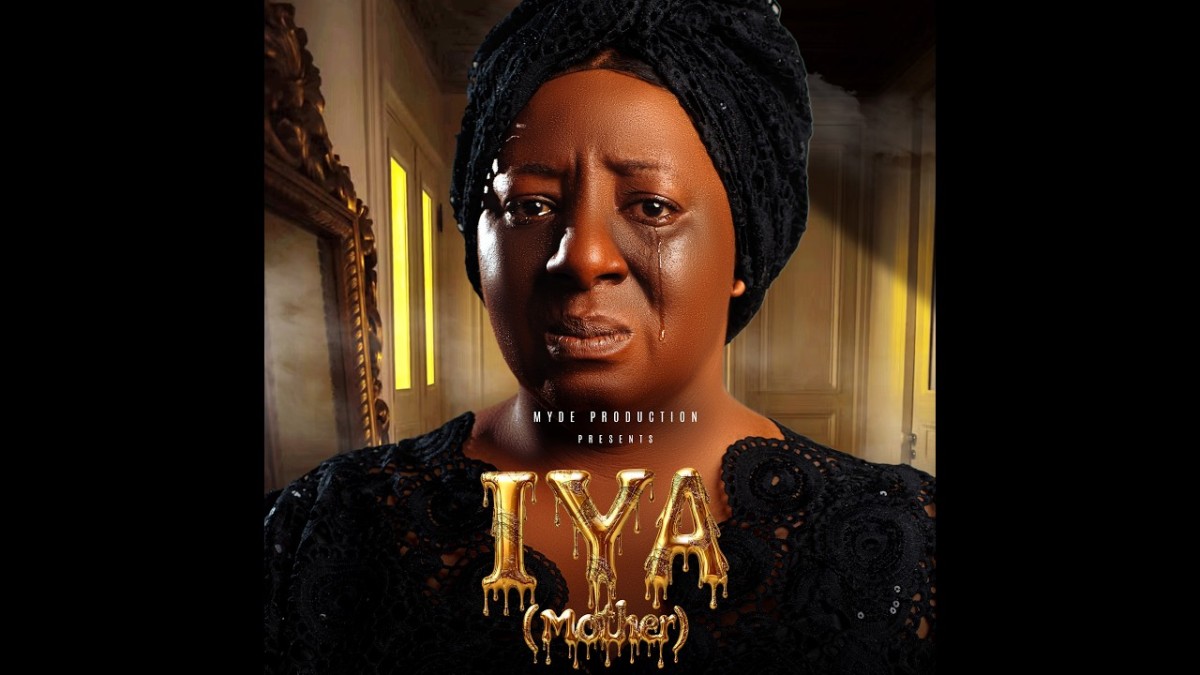
The pressure, anger, shouting, tears, commanding presence and emotional intensity never feel forced. Her loud voice is not simply noise. It becomes the sound of a woman desperately trying to hold together a family she fears is falling apart.
Her performance lingers long after the credits roll because every emotional outburst reflects years of pain, disappointment and loneliness. Whether one agrees with her character’s decisions or not, Mide Martins gives Iya its emotional heartbeat and makes its message impossible to ignore.