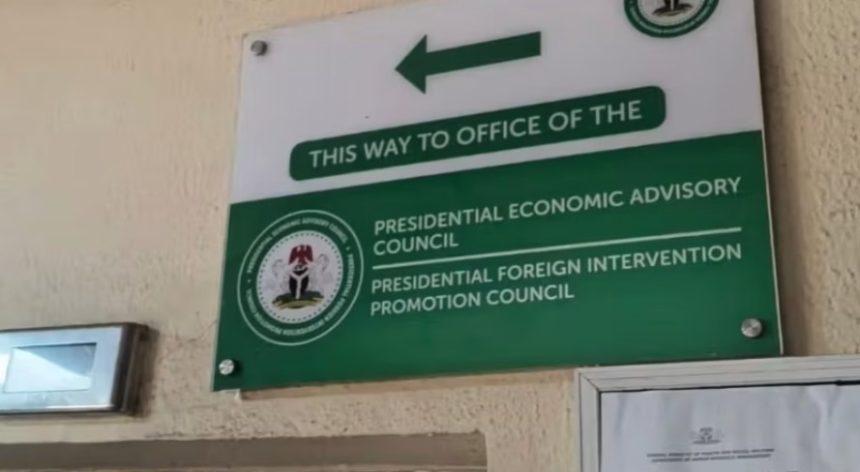
The Presidential Foreign Intervention Promotion Council (PFIPC) scandal, which has consumed Nigeria’s political space for weeks, moved into a new phase on Monday as the House of Representatives began formal hearings into how an agency the Federal Government insists never legally existed found its way into the 2026 budget with a ₦1.3 billion allocation.
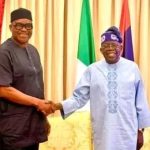
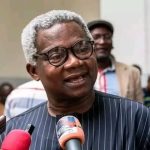
The saga began after Adeniyi Adeyemi Matthew, who presented himself as the council’s Director-General, claimed his appointment was facilitated by Chief of Staff Femi Gbajabiamila, an allegation the Presidency has firmly denied, insisting the appointment letter bearing Gbajabiamila’s signature was forged.
EDITOR’S PICKS
Adeyemi was arrested on July 14 by police intelligence operatives in Osun State. The controversy has since drawn in the ICPC, on President Tinubu’s directive, and Gbajabiamila has filed a defamation suit against Adeyemi.
Against this backdrop, the House constituted a 12-member ad-hoc committee, chaired by Hon. Yusuf Gagdi, to investigate how PFIPC was included in the Appropriation Act and to interrogate the process breakdowns that allowed it to operate.
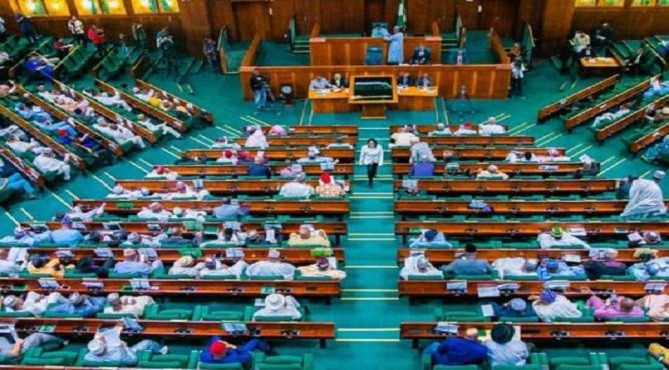
The committee held its inaugural sitting and first public hearing on Monday, hearing testimony from two key institutions whose processes intersected with the council’s implausible rise: the Office of the Head of the Civil Service of the Federation (OHCSF) and the Central Bank of Nigeria (CBN).
Head Of Service Admits Vetting Failure
The Head of the Civil Service of the Federation, Esther Walson-Jack, told the committee that the office space PFIPC occupied at the Federal Secretariat, Phase III, Abuja, was officially allocated to the Office of the Secretary to the Government of the Federation (OSGF), not by her office, and that her office never deployed civil servants to the council despite a request for such deployment, which was never approved.
More significantly, Walson-Jack disclosed that PFIPC sought approval of its organisational structure on August 6, 2025, a request initially declined for lack of documentation. It was later processed alongside requests from 87 other MDAs and approved in a fourth batch on July 18, 2025, covering 314 positions: 14 existing staff, including the Director-General, and 300 additional roles.
She conceded that the enabling legal instrument PFIPC submitted did not carry the “requisite features” of a genuine one, and that this was only discovered after the controversy prompted a personal review of the documents.
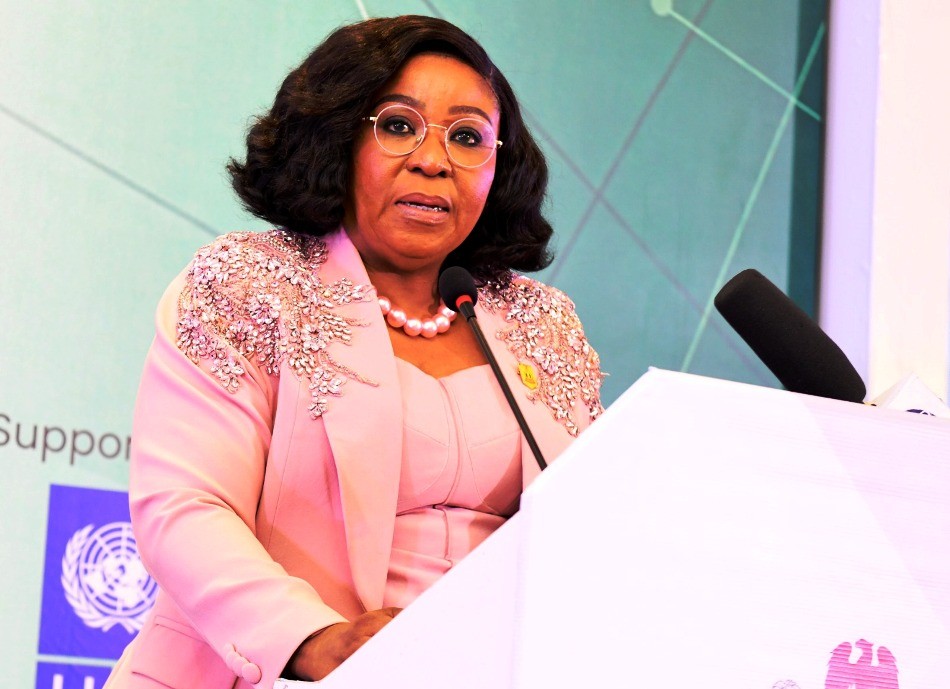
Pressed by committee member Hassan Fulata on why the office failed to verify the document’s authenticity under the Acts Authentication Act before assigning a budget code, Walson-Jack admitted the officers who initially vetted the paperwork were not lawyers and therefore missed the irregularity. She said her office is now reviewing its standard operating procedures, including plans to introduce legal vetting for such submissions going forward.
CBN Says Accounts Opened On Directive, Never Funded
The second thread of testimony came from the CBN’s Director of Banking Services, Hamisu Abdullahi, who told the committee that two foreign currency accounts — a US dollar and a Pound Sterling domiciliary account — were opened for PFIPC on July 30, 2025, strictly on the instruction of the Office of the Accountant-General of the Federation (OAGF), dated a day earlier.
Abdullahi stressed that the CBN does not deal directly with ministries, departments or agencies on account matters except through the OAGF, and that PFIPC never engaged the apex bank directly.
Both accounts, he said, have remained dormant since opening, with zero balance, no inflows, no outflows and no foreign exchange allocations, because the council never submitted the authorised signatories required to activate them.
Committee Widens The Net
Following the testimonies, the committee directed the CBN to submit comprehensive transaction records covering both PFIPC and the related Presidential Economic Advisory Council, from account opening to current status, including any linked accounts in commercial banks.
Gagdi also announced a widening list of officials summoned for subsequent hearings, including Secretary to the Government of the Federation George Akume, Budget Minister Abubakar Bagudu, Finance Minister Taiwo Oyedele, Accountant-General Shamseldeen Ogunjimi, Budget Office Director-General Tanimu Yakubu, and the heads of the Federal Character Commission and the National Salaries, Incomes and Wages Commission.
FURTHER READING
Monday’s proceedings suggest the probe’s early focus is less on Adeyemi himself than on the institutional gaps — in document verification, budget vetting and interagency communication — that allowed a fictitious council to acquire the trappings of a legitimate federal agency.
Philip Ibitoye is a Special Correspondent with EKO HOT BLOG. Click here to find daily analysis and critical insight on trending issues in Lagos and other parts of Nigeria.
Click to watch the video of the week below: