- Atiku urged the FG to prioritise local production
- He warned against excessive borrowing and imports
- He called for investment in agriculture and manufacturing
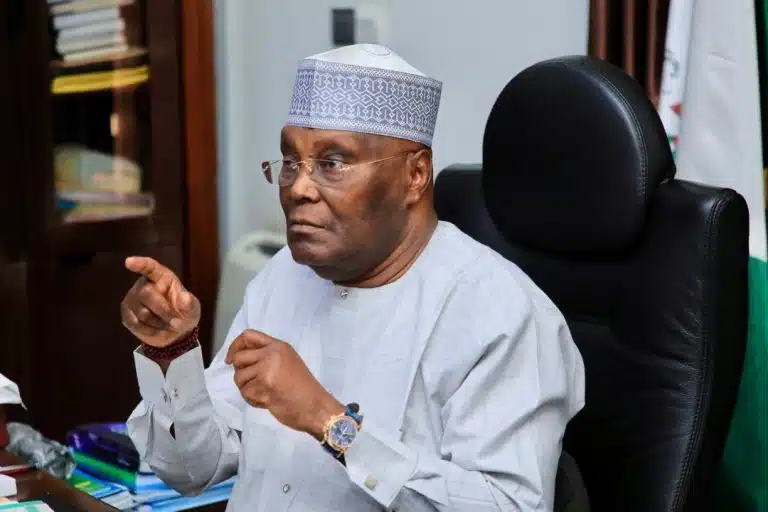
The presidential candidate of the African Democratic Congress (ADC), Atiku Abubakar, has urged the Federal Government to shift its economic strategy away from excessive borrowing, import dependence and high taxation, insisting that sustainable growth can only come through increased local production.
In a statement issued on Monday in Abuja by his Senior Special Assistant on Public Communication, Phrank Shaibu, Eko Hot Blog gathered that Atiku said Nigeria’s economic future depends on producing more goods locally, creating jobs and expanding exports.
EDITOR’S PICK
- 175th Kayokayo Festival Grand Finale: Epe Celebrates 175 Years of Faith, Heritage, Unity and Prosperity
- Wale Raji Reaffirms Commitment at KayoKayo Finale
- India: Massive Garbage Heap Collapse Kills Nine Workers at Waste-to-Energy Plant.
According to him, the country cannot achieve lasting prosperity by relying on loans, imported goods and higher taxes. Instead, he argued that economic growth should be driven by manufacturing, agriculture and value-added industries.
He stressed that industries cannot flourish in an environment where borrowing costs remain high, energy prices are expensive, the naira is unstable and consumers lack the purchasing power to buy locally produced goods.
“Our objective is straightforward: produce in Nigeria, employ Nigerians, encourage the consumption of locally made products and export Nigerian-made goods. The true wealth of any nation lies in what it produces, processes and exports, not in what it imports,” Atiku said.
The former vice president attributed the current economic hardship to policies that, in his view, favoured consumption over production, encouraged imports instead of industrial development and promoted dependence rather than self-reliance.
He lamented that Nigeria continues to import food, manufactured goods and even raw materials that could be produced or processed domestically, warning that no country can attain prosperity by creating jobs abroad while importing poverty.
Atiku pointed to rising food prices as evidence of the country’s economic challenges, noting that food inflation remains high nationwide, with some states recording significantly higher rates. He also expressed concern over the large amount spent by manufacturers on imported raw materials, saying it reflects the country’s weak industrial base.
According to him, the decline in manufacturing activity is contributing to job losses, increased inflation, pressure on the naira and long-term economic instability.
He called for urgent efforts to rebuild Nigeria’s economy by strengthening agriculture, manufacturing, solid minerals, technology and industries that add value to local resources, maintaining that these sectors hold the key to sustainable development and national prosperity.
FURTHER READING