- 7 Warning Signs Your Heart May Be in Trouble
- Breathlessness, fatigue and swelling may require medical evaluation.
- Sudden severe symptoms require immediate emergency medical attention.
Heart disease remains one of the leading causes of death worldwide, but many serious heart problems may begin with symptoms that people often ignore or mistake for less serious conditions.
EDITOR’S PICKS
- Sanwo-Olu Unveils Climate Defence Fund to Drive Green Investments
- Competence, Not Ethnicity, Guides Appointments in Lagos – Sanwo-Olu
- List of Public Facilities Named After Tinubu Since 2023
EKO HOT BLOG reports that while not every symptom automatically means you have a heart problem, certain warning signs should not be dismissed, especially when they are sudden, severe or persistent.
Here are seven warning signs that may indicate your heart needs medical attention.
1. Chest Pain or Pressure
Chest discomfort is one of the most recognised warning signs of a possible heart problem.
It may feel like pressure, squeezing, heaviness, tightness or burning in the centre or left side of the chest. In some cases, the discomfort may spread to the arms, shoulders, back, neck or jaw.
Chest pain that occurs during physical activity and improves with rest may also require medical evaluation.
However, sudden or severe chest pain, especially when accompanied by other symptoms, can be a medical emergency and requires immediate attention.
2. Shortness of Breath
Feeling unusually breathless during normal activities may be a warning sign that the heart is struggling to pump blood effectively.
Some people may also experience difficulty breathing while lying down or wake up suddenly at night struggling to breathe.
Shortness of breath can have many causes, including lung conditions and anxiety, but unexplained or persistent breathing difficulties should be assessed by a healthcare professional.
3. Unusual or Persistent Fatigue
Extreme tiredness that does not improve with adequate rest may sometimes be associated with heart problems.
When the heart cannot pump enough blood to meet the body’s needs, a person may feel unusually weak or exhausted.
This symptom can be particularly easy to overlook because fatigue is also linked to many other conditions. However, unexplained fatigue combined with breathlessness, chest discomfort or dizziness deserves medical attention.
4. Irregular or Racing Heartbeat
A heartbeat that suddenly becomes very fast, unusually slow or irregular may indicate an abnormal heart rhythm.
Some people describe the sensation as fluttering, pounding or skipping beats.
Occasional palpitations can happen for various reasons, including stress, caffeine or physical activity. However, frequent or prolonged episodes, particularly when accompanied by dizziness, chest pain or fainting, should be evaluated by a doctor.
5. Swelling in the Legs, Ankles or Feet
Unexplained swelling in the lower limbs can sometimes occur when the heart is not pumping blood efficiently.
This may cause fluid to accumulate in parts of the body, particularly the legs and ankles.
Swelling can also be caused by kidney problems, liver disease, certain medications and other conditions. Persistent or unexplained swelling should therefore be medically assessed rather than self diagnosed.
6. Dizziness or Fainting
Feeling lightheaded, dizzy or suddenly fainting can sometimes be linked to problems affecting the heart’s rhythm or its ability to maintain adequate blood flow.
Fainting without an obvious explanation is particularly important to investigate.
If dizziness or fainting occurs alongside chest pain, difficulty breathing or a racing heartbeat, urgent medical attention may be necessary.
7. Pain in the Jaw, Neck, Back or Arm
Heart related pain does not always begin in the chest.
Some people may experience discomfort in the jaw, neck, back, shoulders or one or both arms. This can happen because the nerves supplying the heart also connect with other parts of the body.
The pain may be especially concerning when it occurs alongside chest pressure, sweating, nausea or shortness of breath.
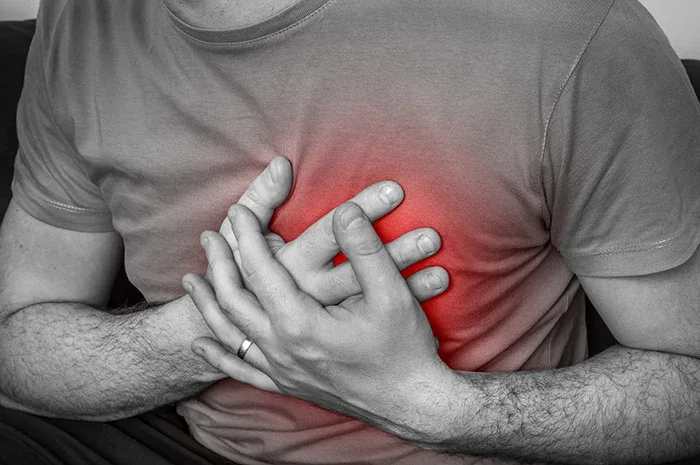
If you experience sudden chest pressure or pain, severe difficulty breathing, fainting or other symptoms that suggest a possible heart attack, seek emergency medical care immediately.
Do not wait for the symptoms to disappear or attempt to diagnose the cause yourself. Early treatment can be critical during a heart emergency.