- Opeifa says linking rail with buses, taxis and roads can cut what Nigerians spend commuting, lowering cost of living.
- He says transport eats 20-50% of income for many workers, pushing them into poverty.
- NRC in talks with AfDB, EU, Afreximbank to fund rail expansion and shift to electric trains.
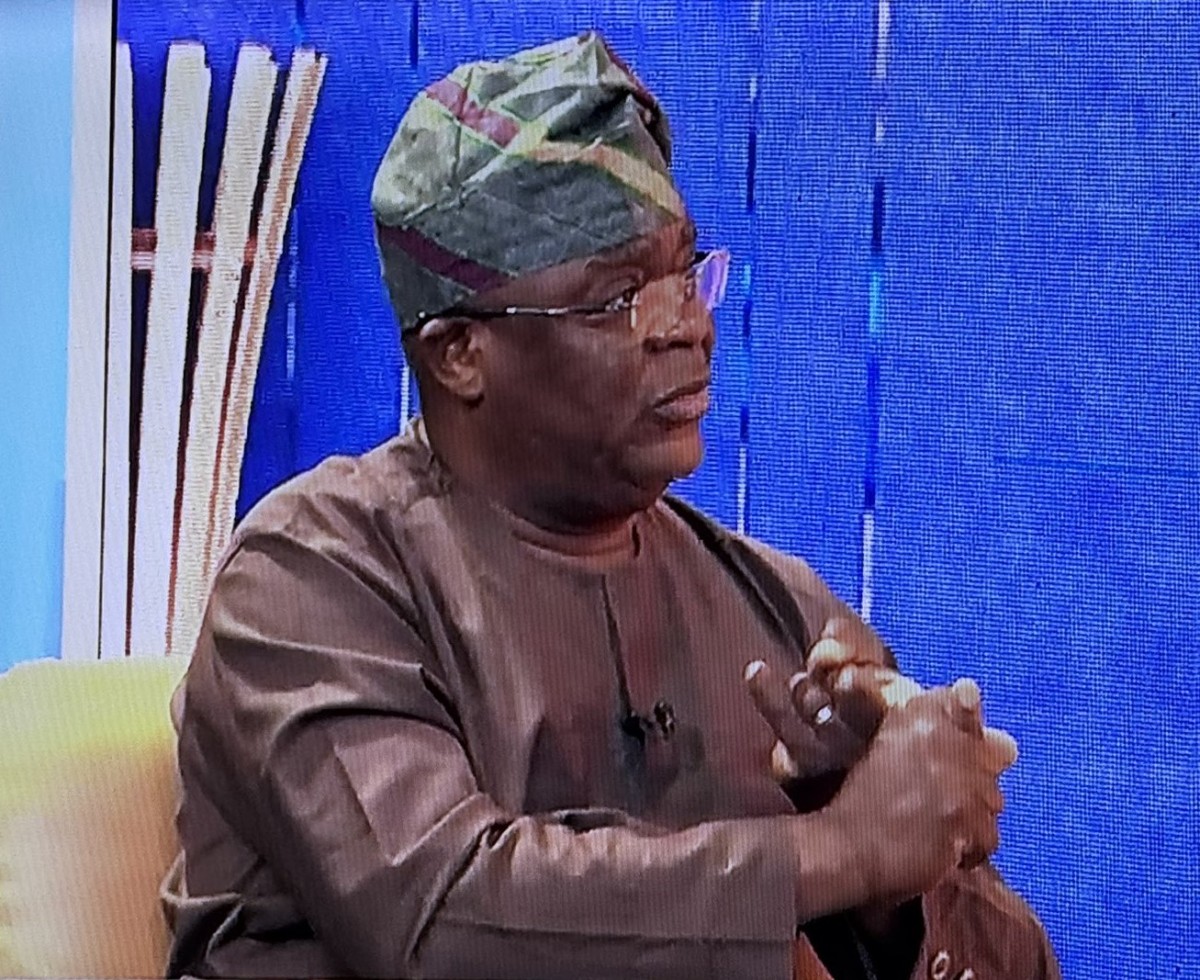
Managing Director of the Nigerian Railway Corporation (NRC), Dr. Kayode Opeifa, has said an integrated transport system, one that links rail with buses, taxis, water transport and feeder roads, could significantly reduce Nigeria’s cost of living by cutting what commuters spend on daily movement.
EKO HOT BLOG reports that Opeifa made the statement while featuring on Channels Television’s breakfast programme, Sunrise Daily, over the weekend.
EDITOR’S PICKS
He said rail transport cannot function effectively on its own, and stressed that passengers should not struggle to reach railway stations.
According to the NRC boss, every state government has a responsibility to provide feeder transport services that connect communities to federal rail stations, just as Lagos State has done by linking buses to its Red Line and Blue Line rail systems.
“Once passengers can easily access train stations, rail patronage will increase significantly,” Opeifa said, adding that Lagos offers a model other states should study.
He linked the push for integration to what he described as “transportation poverty,” a concept he said applies when commuters spend between 20 and 50 percent of their income simply moving from one place to another. He said this steadily pushes workers into poverty, since money that should go into food, education and healthcare is instead consumed by transport costs.
The NRC MD explained that mobility determines productivity, and that when people and goods cannot move efficiently, businesses suffer and production costs rise. Those higher costs, he said, eventually translate into higher market prices, meaning transportation contributes directly to inflation and the wider cost of living.
Opeifa cited the Mile 2 to Okokomaiko corridor in Lagos as an example of a heavily populated route where efficient, affordable transport would leave commuters with more disposable income and, in turn, lower their overall cost of living.
On why governments subsidise transportation, he said mobility carries social benefits beyond profit, stimulating economic activity and productivity in ways that ultimately reduce poverty and benefit the national economy. He pointed to the Federal Government’s recent intervention in the aviation sector, led by the Minister of Aviation, Festus Keyamo, to keep airlines running amid rising fuel costs, as an example of the kind of support transportation deserves.
Nigeria, he said, needs a coordinated National Transport Plan that brings together rail, road, inland waterways, aviation, and urban and rural transportation, with all levels of government involved. While the Federal Government builds railway infrastructure, he said, state governments must provide the supporting roads and urban transit systems around stations for the system to work.
On funding, Opeifa said the NRC is in talks with development finance institutions, including the European Union, the African Development Bank, Afreximbank and the International Finance Corporation, since commercial banks are often unwilling to finance rail projects that take decades to yield returns. He said Nigeria’s planned shift toward electric-powered rail is one of the key attractions being presented to these partners, citing lower emissions, reduced operating costs and access to international climate financing.
He drew a comparison with China and other Southeast Asian countries, whose economic transformation, he said, was driven largely by strategic investment in transportation infrastructure rather than roads alone.
On fares, Opeifa said any review would be carefully managed and would require government approval, noting that sudden increases could worsen poverty and that passenger affordability must always be considered.
He also addressed the recent Warri-Itakpe train incident, saying preliminary investigations suggest it was not caused by track failure, with independent investigations still ongoing. He said the NRC had shut down the Warri-Itakpe line for about 60 days shortly after he assumed office to carry out track safety audits and rehabilitation, and that services only resumed after engineers certified the line safe.
On security, he said the NRC is considering setting up a Rail Security (RailSec) unit to handle surveillance and monitoring, though armed security would remain the responsibility of the Nigeria Police Railway Command and the NSCDC Railway Command. He described vandalism as one of the biggest threats to rail infrastructure, requiring closer collaboration between the NRC, security agencies and local communities.
FURTHER READING
Opeifa maintained that transportation should be seen as an economic development tool rather than simply a means of moving people, one capable of cutting poverty, easing inflation and driving productivity across the country.
Click to watch the video of the week below: