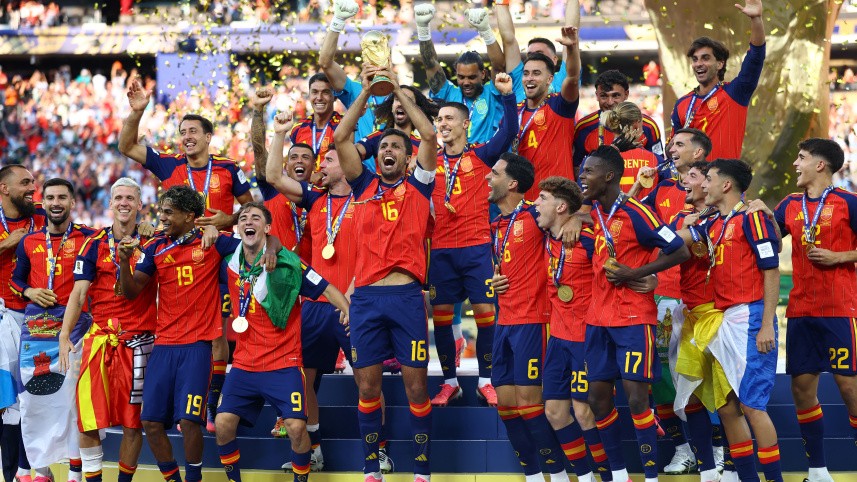
When Rodri lifted the World Cup trophy at MetLife Stadium on Sunday night, he was closing out more than a tournament. He was closing out a month in which football, again and again, proved bigger than the people who tried to bend it to their own ends.
Spain’s triumph was the purest possible answer to a World Cup that had, at times, felt overshadowed by everything happening off the pitch. This was not a team that stumbled into a trophy. It was a victory built on control over chaos, with Spain dominating possession in every match they played while Argentina resorted to less savoury methods to try to drag them down.
EDITOR’S PICKS
Spain conceded only one goal across the entire tournament and did not allow Argentina a single shot on target in the final, a defensive masterclass to match their attacking fluency. The win extended their unbeaten run to 38 consecutive matches, stretching back to their 2024 European Championship triumph, and made them the first country to hold both the men’s and women’s World Cup titles at once.
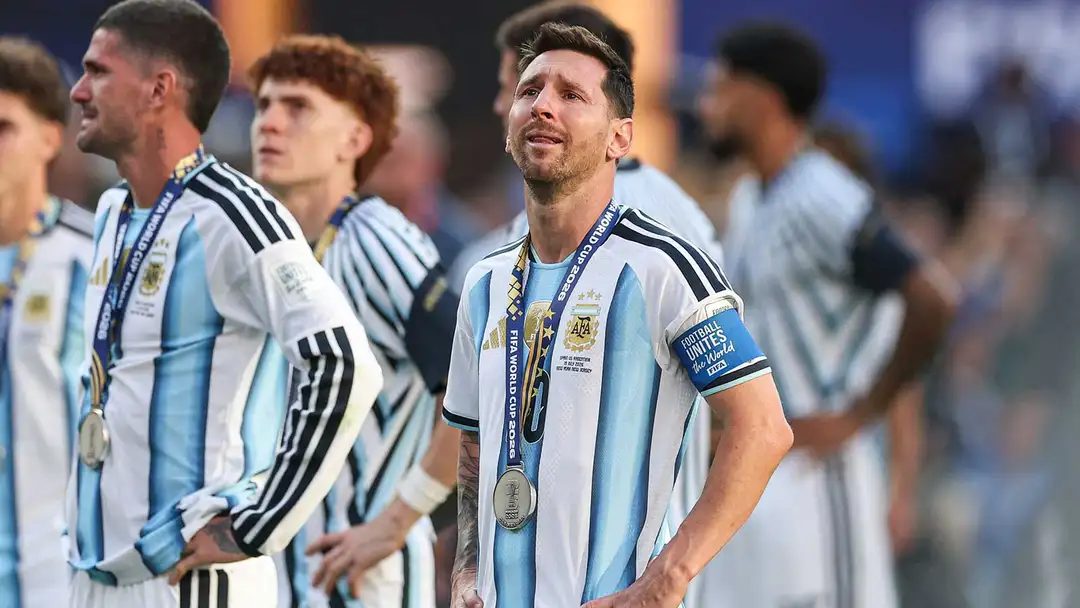
Even in defeat, the football offered its own grace note. Emiliano Martínez finished the final with 11 saves, the most ever recorded in a men’s World Cup final, almost single-handedly keeping Argentina in a game their outfield players could not.
And Ferran Torres, a substitute, settled the contest with the kind of clinical finish — meeting Nico Williams’ knockdown after Pedro Porro’s cross to break the deadlock in the 106th minute — that reminded everyone why we still watch. It is, by most honest accounts, a Spain side built to be remembered: patient, dominant, and, crucially, clean.
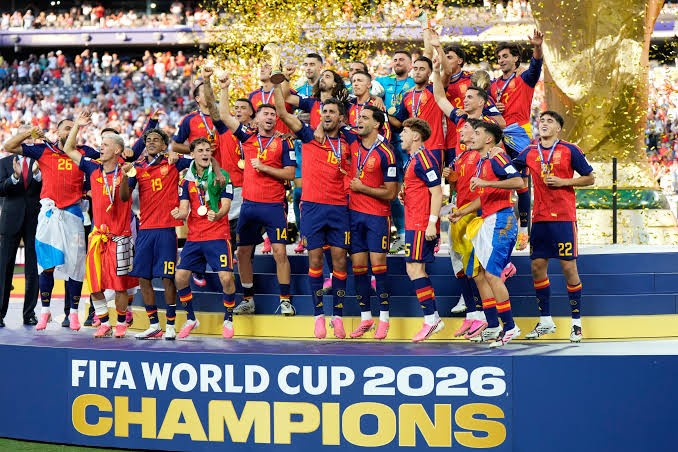
That is the story football wanted to tell about itself this summer. For long stretches, it did. Cape Verde’s Vozinha turned seven saves against Spain into a viral moment and over 29 million new followers a month after. Japan’s fans picked up litter after their matches, a small gesture that said more about sporting spirit than any federation statement could. There were send-offs, heartbreaks, and coronations enough to fill a tournament’s worth of highlight reels.
But football did not win by accident. It won despite a persistent effort by people in power to make the story about themselves.
The clearest example arrived when United States President Donald Trump personally called FIFA President Gianni Infantino to intervene in Folarin Balogun’s suspension, an act of interference so brazen that football had never seen its like since it premiered in the early 1900s.
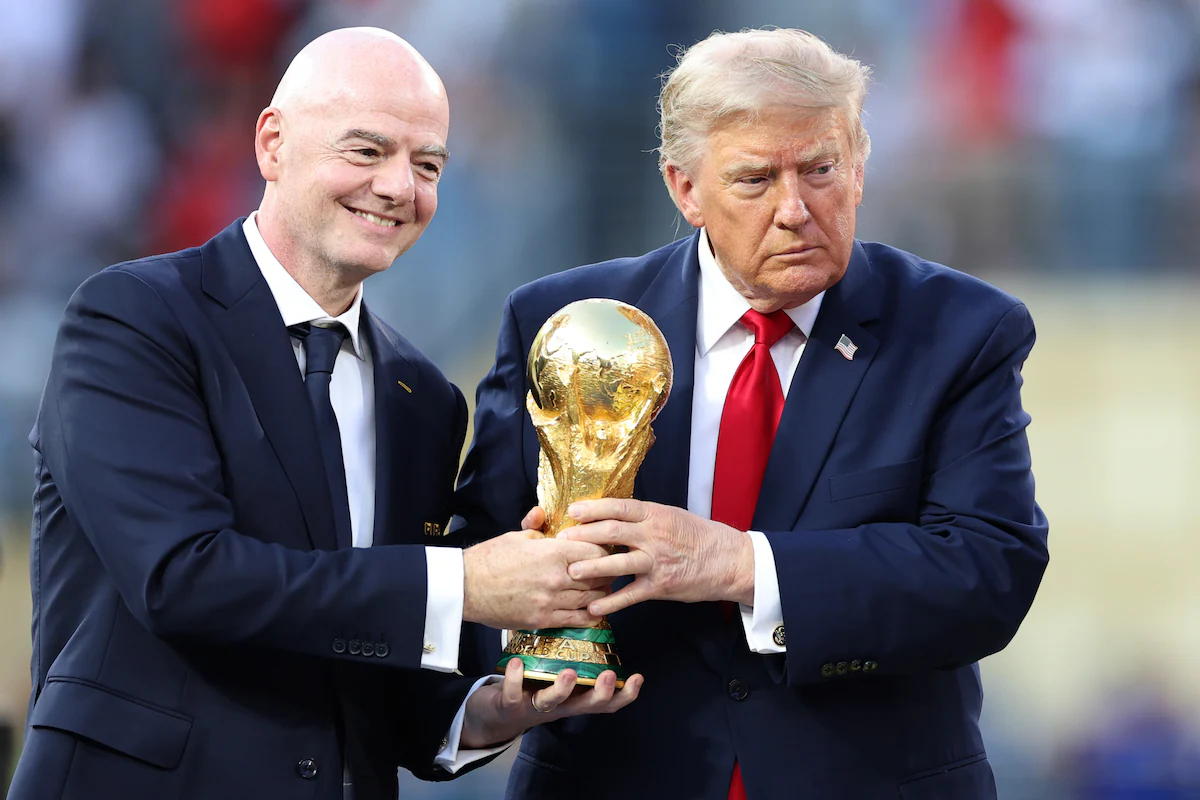
That a single phone call from a head of state could unwind a disciplinary process, with only one of eighteen committee members ultimately signing off on the reversal, said more about the state of the game’s governance than any official statement dared admit. Then, weeks later, the same president stood on the pitch at MetLife Stadium and handed Spain their trophy, a tidy bookend to a tournament in which politics kept finding its way onto the touchline uninvited.
It did not stop with presidents. Paraguayan senator Celeste Amarilla’s racist tirade against Kylian Mbappé, and the similarly ugly remarks from a former Spanish Prime Minister, Mariano Rajoy, and an Argentine deputy governor, Hebe Casado, describing the French squad in racialised terms, were reminders that the ugliest instincts in public life do not pause for a football tournament, they simply find a new stage. These were not the actions of referees or players. They came from senators, ministers, and former heads of state, people whose job is supposed to be governance, not grievance.
"Yo no tengo que pedir disculpas a Mbappé por decir que chupaba cocos en vez de leche materna y solo conocía a chimpancés. Yo vengo de una sociedad donde se le pegaba a los gays y decir negro de mierda era lo más usual".
Celeste Amarilla, una senadora ultraderechista paraguaya,… pic.twitter.com/srPwx3jSDb
— Daniel Mayakovski (@DaniMayakovski) July 8, 2026
What made this World Cup remarkable, in the end, is that none of it mattered where it counted. Balogun’s overturned ban did not decide who lifted the trophy. Amarilla’s slurs did not stop France from reaching the semi-finals, nor did they diminish Mbappé’s standing as the World Cup’s greatest goalscorer. Spain won because Spain, on the balance of 90+ minutes across seven matches, were the best team in the tournament. Argentina lost because their football, for one night, was not quite good enough; not because of any conspiracy, real or imagined.
That is football’s quiet rebuke to every politician who tried to make this tournament about something other than the game. The pitch, in the end, does not care who called whom, or what was said in a Spanish newspaper column. It only cares what happens in 90 minutes, plus whatever extra time it takes to settle the argument fairly.
FURTHER READING
Politicians got their headlines this summer. But football got the trophy, and, in the end, that is the only claim that matters.
Philip Ibitoye is a Special Correspondent with EKO HOT BLOG. Click here to find daily analysis and critical insight on trending issues in Lagos and other parts of Nigeria.
Click to watch the video of the week below: