- Fuel Subsidy: Oyedele Explains How FG Spent Money Saved
- He promised detailed disclosure of savings and government spending soon.
- The fiscal expert explained why higher revenue has not stopped borrowing.
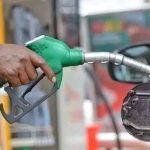
The Chairman of the Presidential Committee on Fiscal Policy and Tax Reforms, Taiwo Oyedele, has explained how the Federal Government has been spending money saved from the removal of fuel subsidy and foreign exchange subsidies.
EDITOR’S PICKS
- Olodo Uprising: Sanwo-Olu Advises Youths to Embrace Knowledge, Curiosity
- BBN Season 11 Kicks Off with Unveiling of 24 Housemates Competing for ₦160m Grand Prize
- Why Africa Must Stop Exporting Raw Materials, Lessons From Benin for Nigeria
EKO HOT BLOG reports that Oyedele disclosed this on Thursday at the ongoing 7th Africa Emerging Markets Forum in Abuja, saying the savings had been used to meet several government obligations.
He listed debt servicing, payment of salaries, implementation of the new national minimum wage and funding of student loans among the areas where the savings had been deployed.
Oyedele also promised that the Federal Government would soon release a detailed breakdown showing how much was saved through the subsidy reforms and how the funds had been spent.
He said the combined cost of fuel subsidy and what he described as “subsidy on foreign exchange” was equivalent to about five per cent of Nigeria’s Gross Domestic Product.
However, Oyedele said the decision to remove the subsidies was not driven solely by the need to save money but also by the need to eliminate distortions and corruption associated with the system.
“But the money saving is also important. In a few days, you will see the detailed analysis because we believe that we owe a duty to explain what we do to the Nigerian people. That’s what transparency looks like,” he said.
Oyedele said part of the savings had been used to offset the government’s Ways and Means obligations and service rising debt costs.
He explained that borrowing rates had increased from about eight per cent to as high as 24 per cent, raising the cost of servicing government debt.
The committee chairman also said the increase in the national minimum wage from ₦30,000 to ₦70,000 had almost doubled the Federal Government’s wage bill.
He added that the savings had supported the Nigerian Education Loan Fund, with more than 1.5 million students receiving tuition support and monthly stipends.
Oyedele also explained that higher revenue did not eliminate the need for borrowing when government expenditure remained above income.
He said borrowing was acceptable if the funds were invested productively and generated enough value to justify their cost.
“We must add more value than the cost of every naira and every dollar that we borrow,” he said.
FURTHER READING
- Reps Probe N1.32bn Foreign Investment Council
- Abike Dabiri-Erewa Urges Nigerian Youths to Dream Big, Embrace Resilience
- Obi or Tinubu? Fresh Claims Emerge Over Obasanjo’s 2027 Political Allegiance