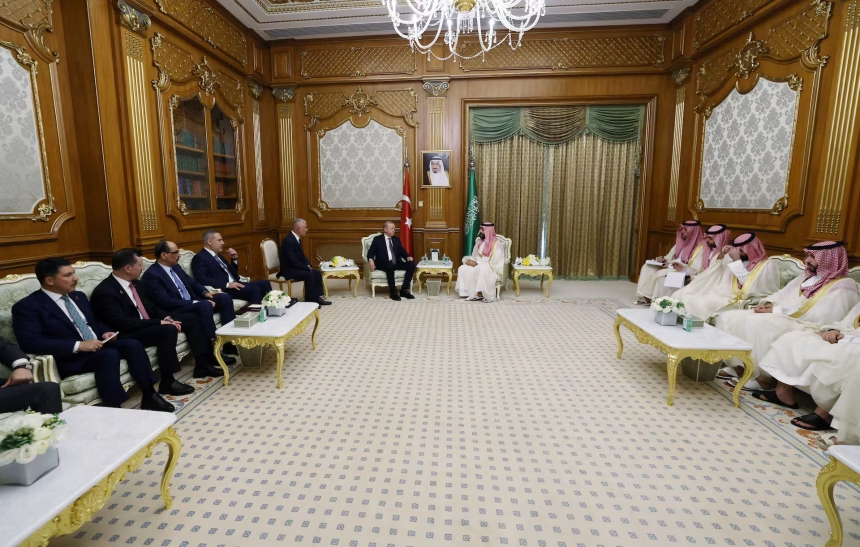
- Saudi Arabia, Pakistan and Turkey have signed a joint defence pact in Mecca
- The agreement promises mutual support if any member faces an armed attack
- The pact aims to strengthen regional security and cooperation
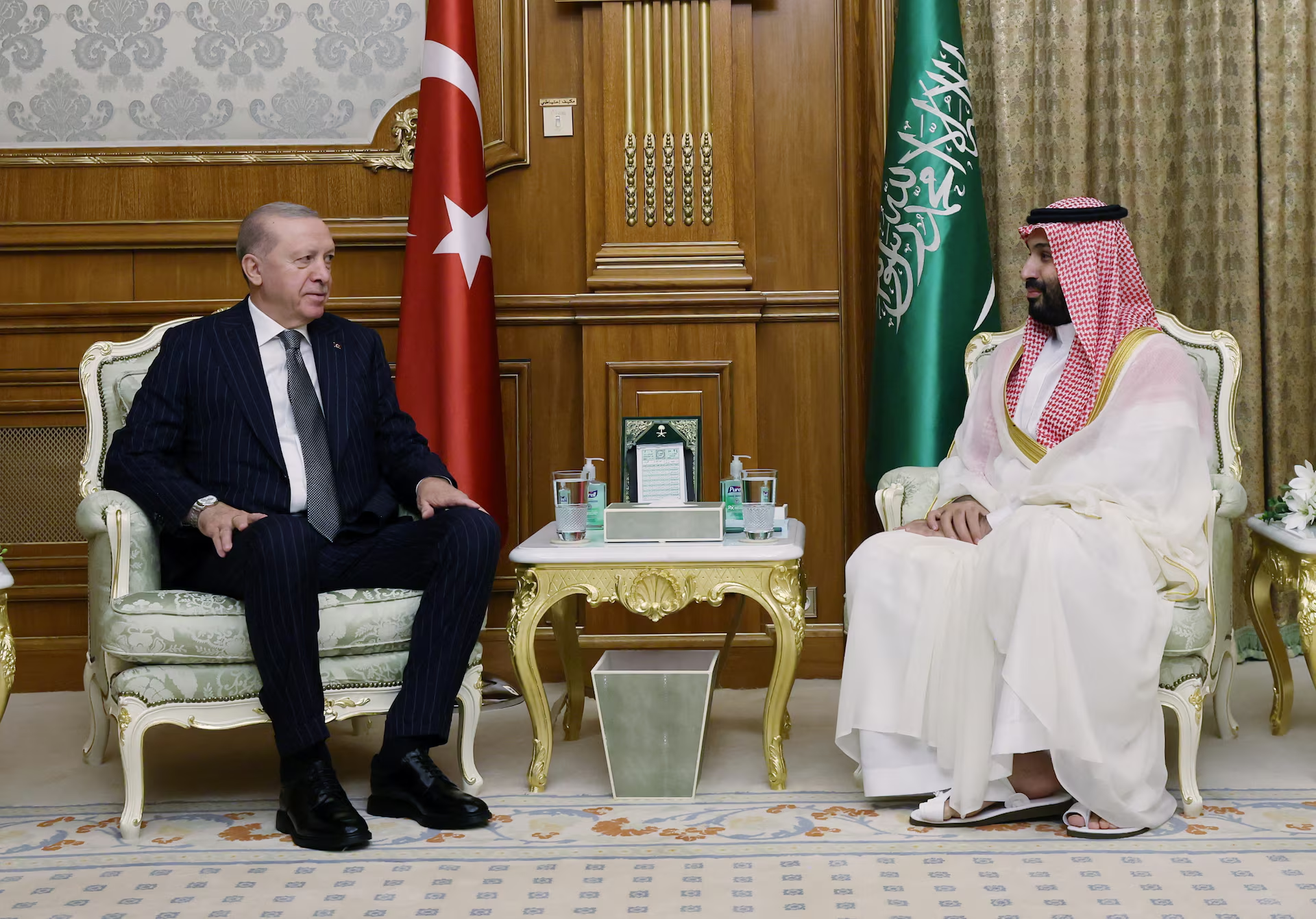
Saudi Arabia, Pakistan and Turkey have signed a new defence agreement in Mecca, pledging mutual support in the event of an armed attack as security tensions continue to spread across the Middle East.
Eko Hot Blog gathered that the agreement, known as the Mecca Joint Defence Agreement, was signed on Friday by the three countries. In a joint statement, they said an attack against any one of the members would be treated as an attack against all three.
EDITOR’S PICK
- APC Youth Wing Opens Applications for 2026 Zacch Adedeji Taxation, Fiscal Policy Fellowship
- ‘Make Him President, Let’s See If Nigerians Become Millionaires’ – Presidency Mocks Obi
- Super Falcons Shift Focus to Zambia Clash After Malawi Defeat
The pact is designed to strengthen collective deterrence and cooperation while promoting peace, security and stability in the region and beyond.
A Turkish official said the agreement contains a mutual defence provision and is strictly defensive. The official added that it was not directed at any particular country and would not replace existing bilateral or multilateral security arrangements.
The agreement comes as Saudi Arabia and other Gulf states face heightened security threats amid the wider regional conflict. Iran and groups aligned with Tehran have launched attacks against Gulf targets and disrupted energy shipments since the conflict escalated.
The three countries have also expressed concern over the increasingly tense military posture of Israel and Iran, as regional instability continues to threaten security and economic activity.
Analysts described the meeting in Mecca as politically significant, noting that Saudi Arabia, Turkey and Pakistan are among the most influential Muslim-majority countries.
Abdulaziz Sager, chairman of the Gulf Research Center, said closer security coordination among the three countries could increase their collective diplomatic and military influence if the framework develops into practical cooperation.
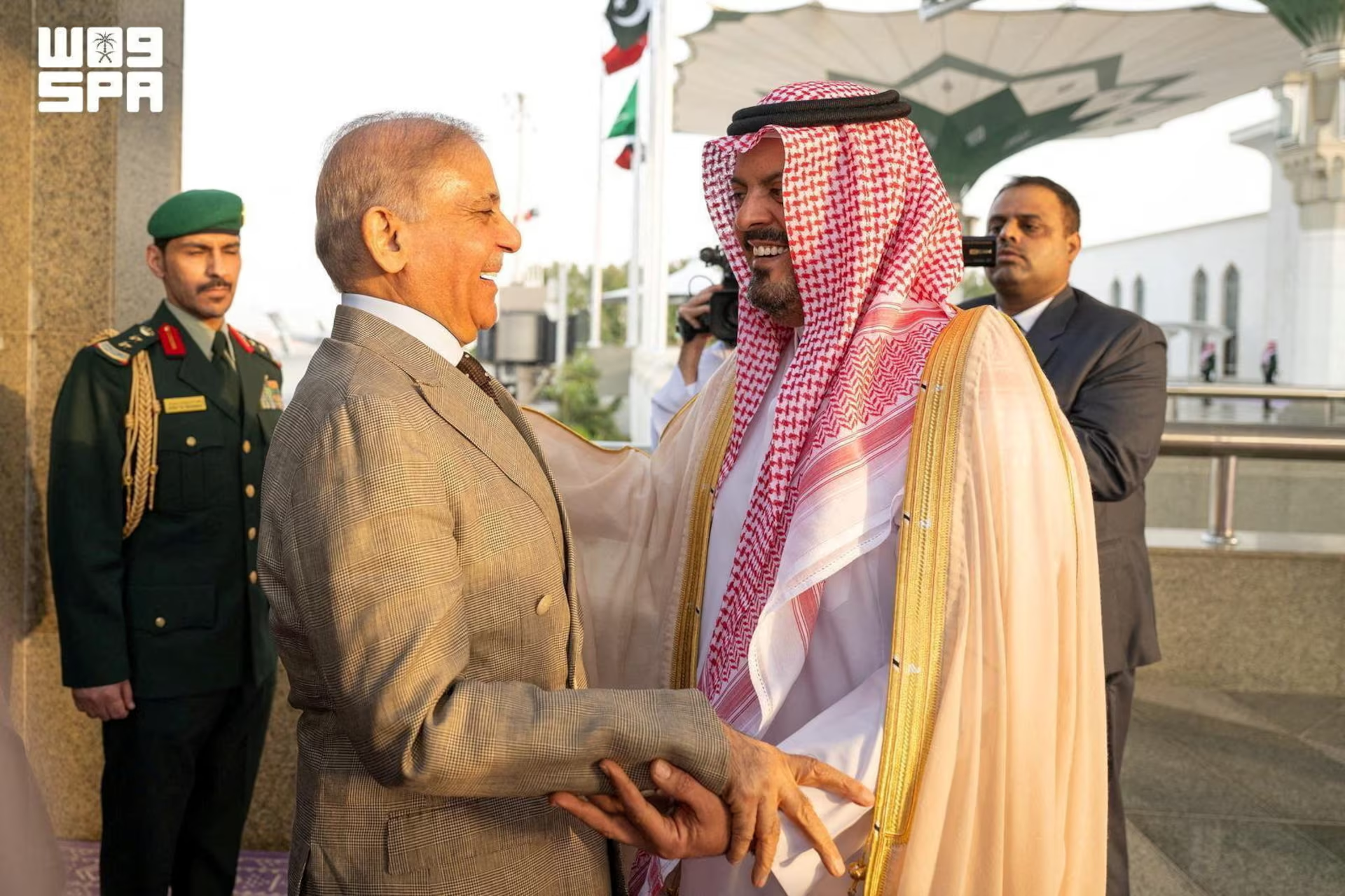
Turkey has NATO’s second-largest military, while Saudi Arabia is a major global oil producer and home to Islam’s two holiest sites. Pakistan, meanwhile, is the only nuclear-armed Muslim-majority country.
The agreement follows months of negotiations and builds on longstanding military relationships between the three countries.
Pakistan has provided military training and technical support to Saudi Arabia for decades, while Turkey and Pakistan have maintained defence cooperation involving military equipment, naval vessels and training aircraft.
Saudi Arabia has also expanded its defence purchases from Turkey, including a major deal involving Turkish drones.
The new pact comes as the Middle East continues to experience widespread conflict and cross-border attacks. The regional turmoil has affected energy markets, disrupted shipping routes and raised concerns over the security of oil-producing Gulf states.
Saudi Arabia has faced particular pressure, with attacks threatening its oil infrastructure and ambitious economic development programmes. Riyadh has consequently sought to strengthen security partnerships beyond its traditional reliance on the United States.
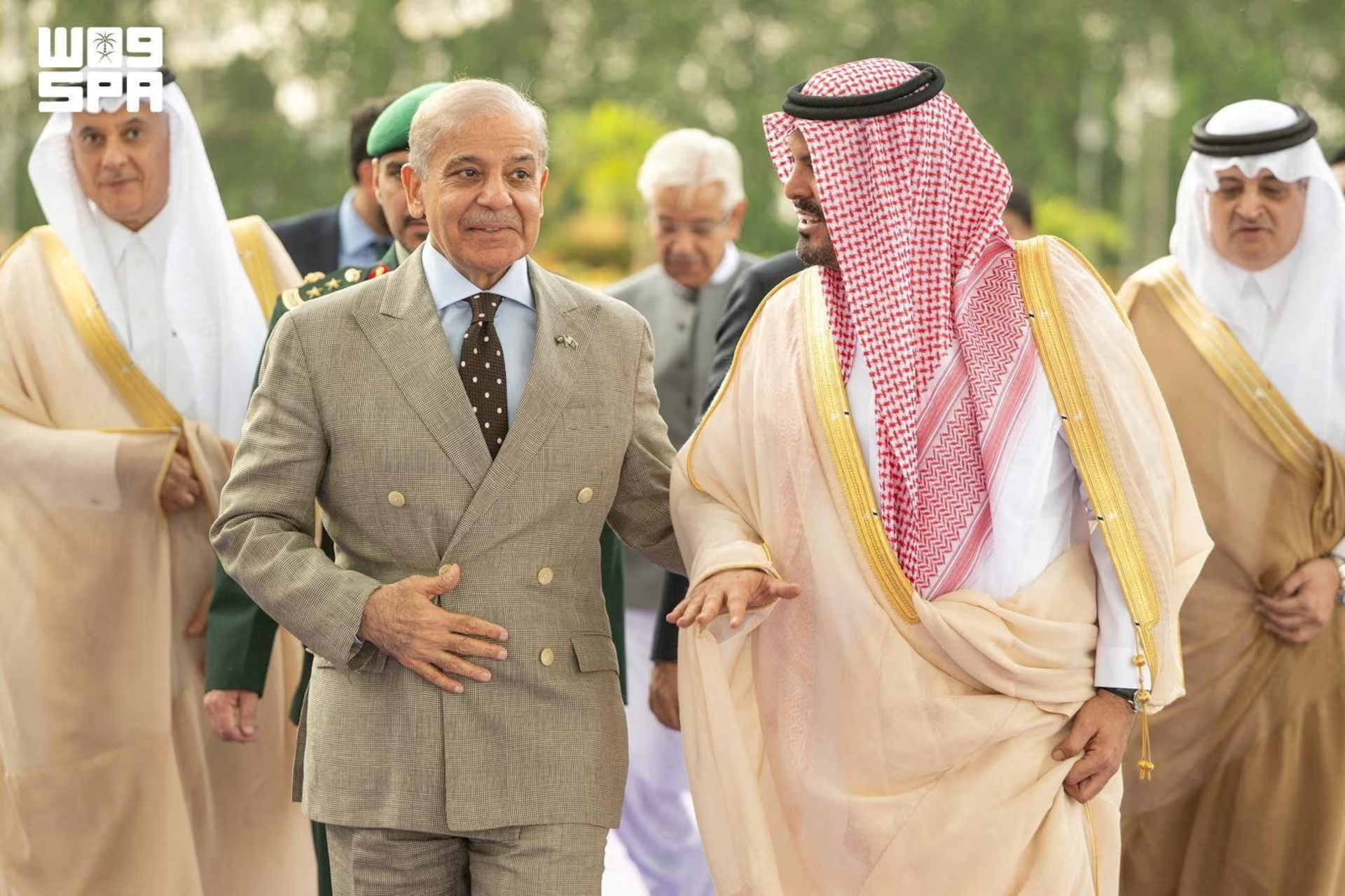
Pakistan and Turkey, although largely spared direct attacks linked to the conflict, have also sought to contain regional instability because of its potential consequences for their security and economies.
Experts said the agreement could benefit from the different strengths of its members, with Pakistan and Turkey contributing defence capabilities and industries while Saudi Arabia provides significant financial and technological resources.
However, analysts said the agreement was unlikely to involve Pakistan’s nuclear deterrent, which remains primarily focused on its strategic rivalry with India.
The signing in Mecca gives the agreement added religious and political significance, while the three countries maintain that the arrangement is defensive and intended to strengthen regional stability.
FURTHER READING