- Federal Government announces major infrastructure interventions across Lagos, including Lagos–Calabar Coastal Highway service lanes, drainage systems, and bridge rehabilitation.
- Eko Bridge, Marine Bridge, and flooded sections of the Lagos–Ibadan Expressway are among the key infrastructure corridors targeted for intervention.
- Stakeholders say the projects could improve connectivity, flood resilience, movement of goods and people, and economic activities across Lagos’ rapidly developing coastal axis.
The Federal Government has unveiled a fresh wave of infrastructure interventions across Lagos State, with the commencement of service lanes and secondary drainage systems along the Lagos–Calabar Coastal Highway and the rehabilitation of major bridges expected to improve connectivity, ease traffic congestion, and strengthen flood management.
EDITOR’S PICK
- Nearly 30 Years Later, Who Really Knows How Abacha Died?
- Dapo Abiodun, Ipara Is Waiting for Leadership
- Why Every Husband Must Protect His Wife, Even After Death
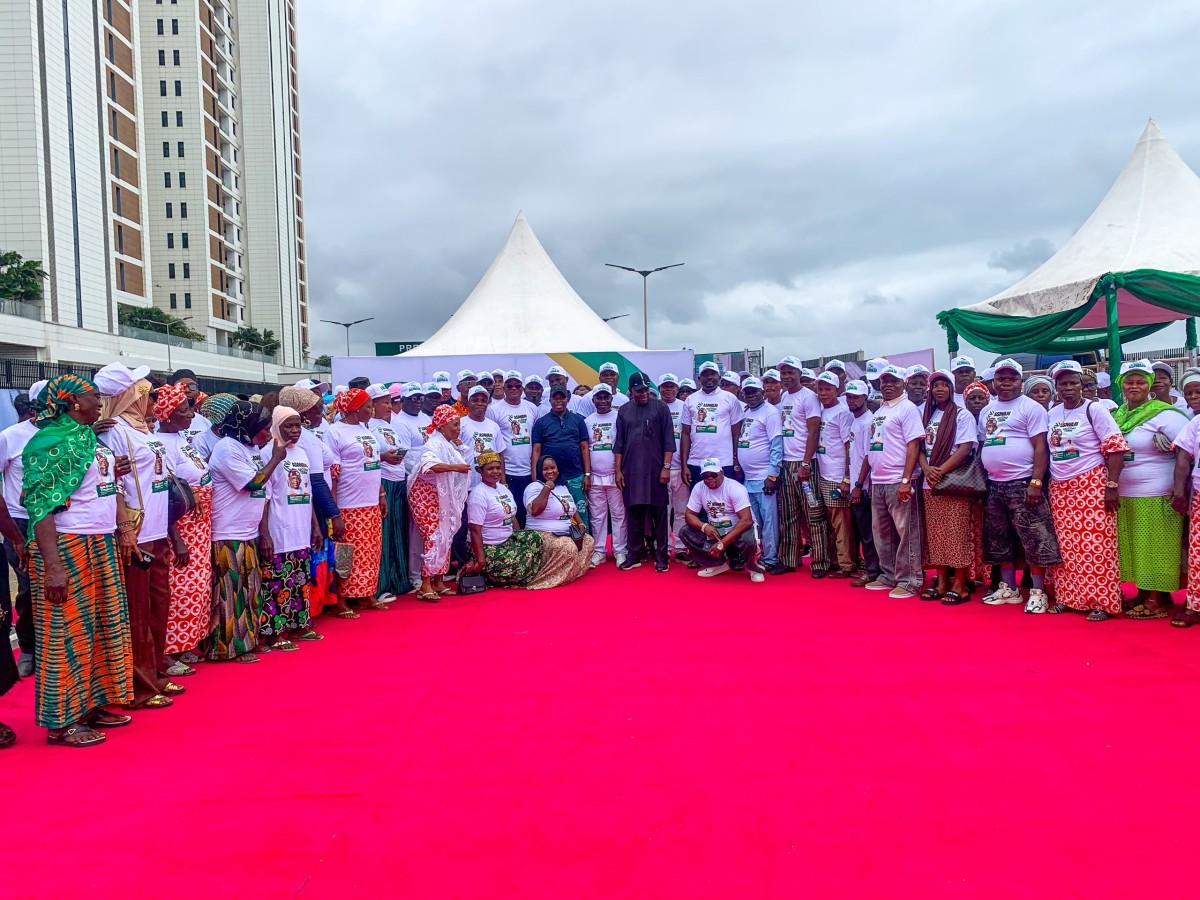
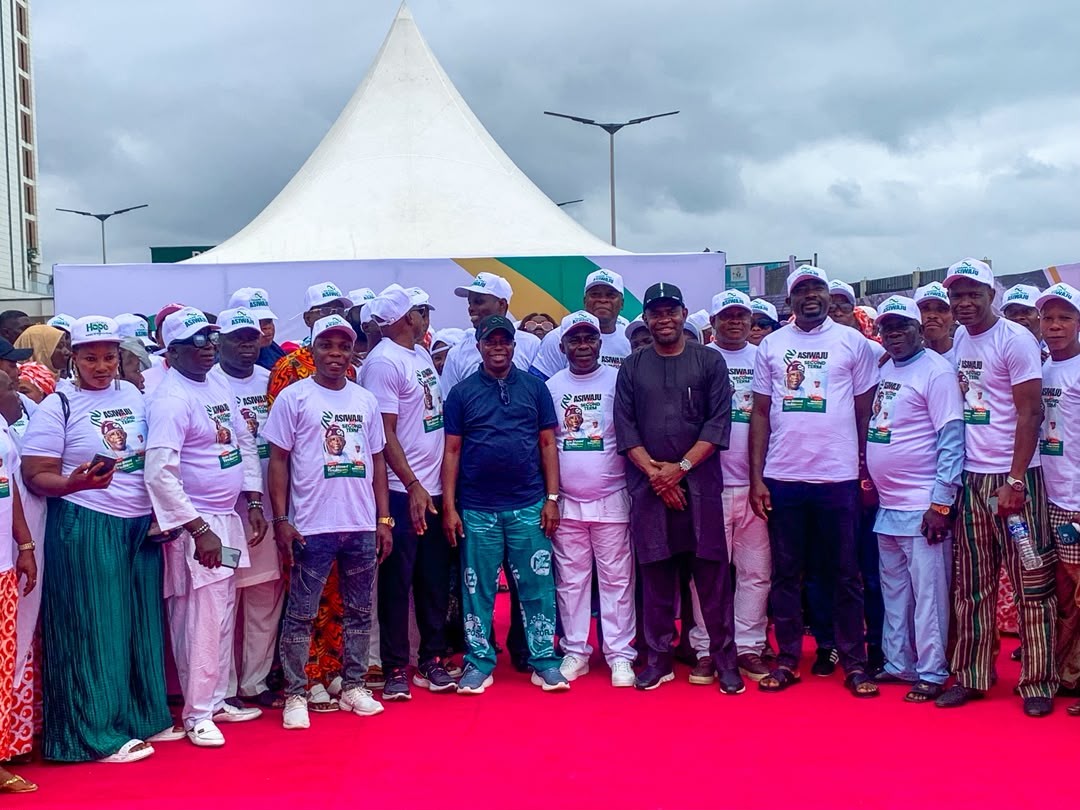
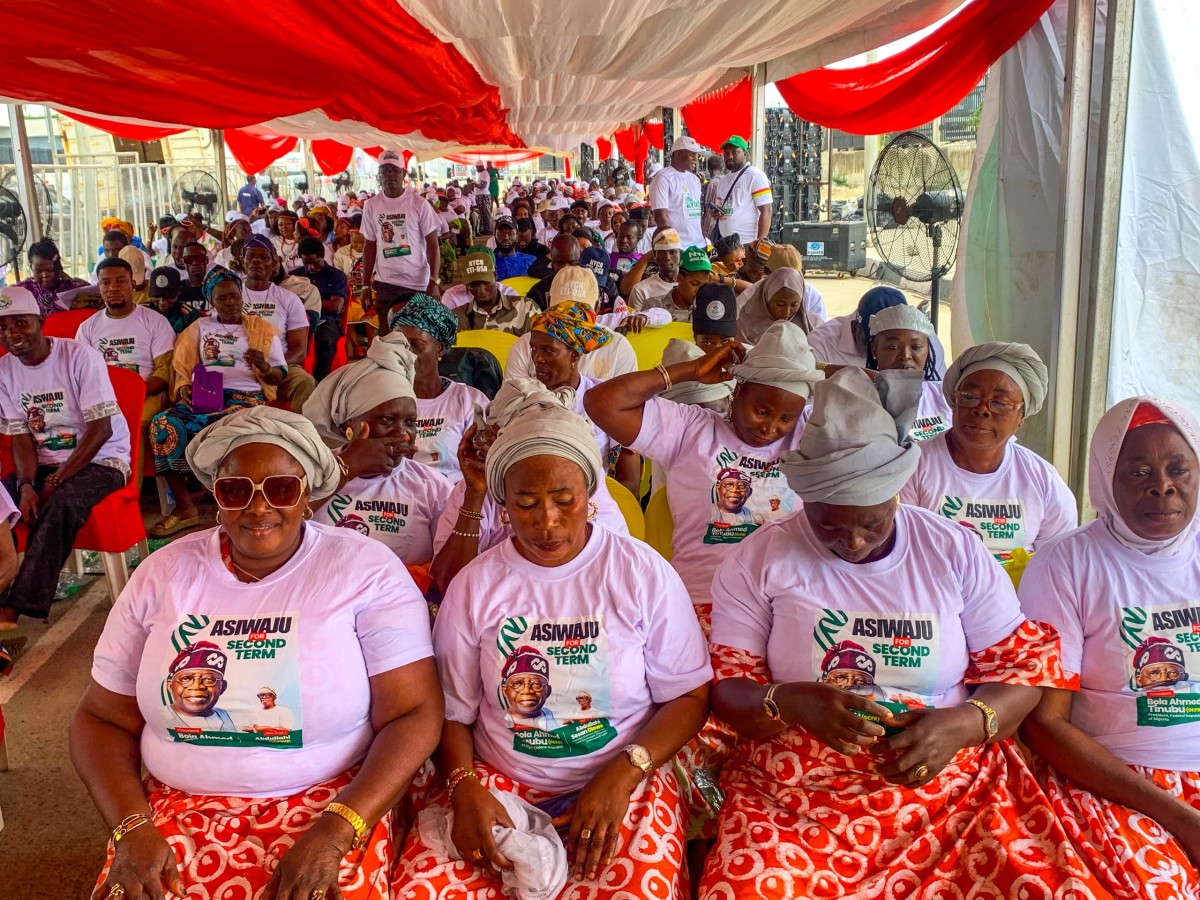
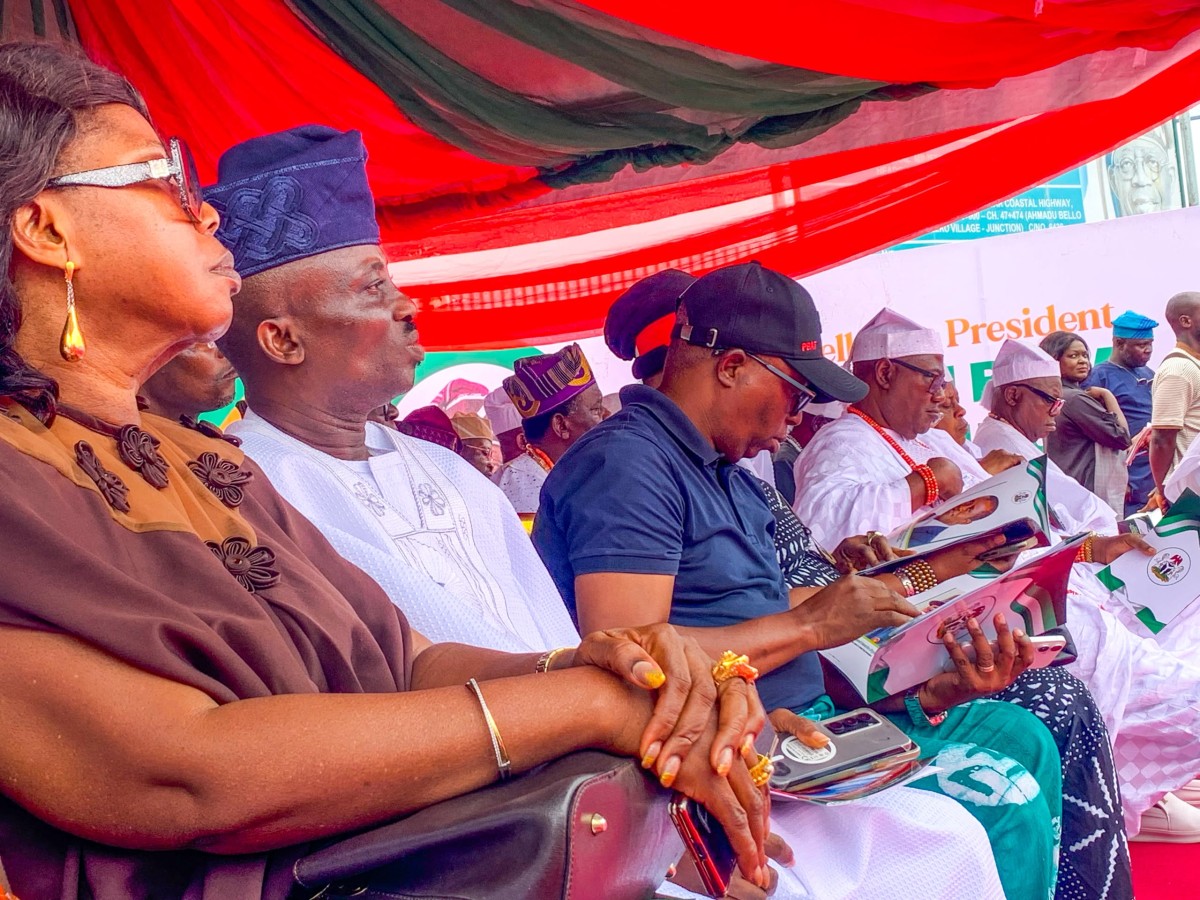
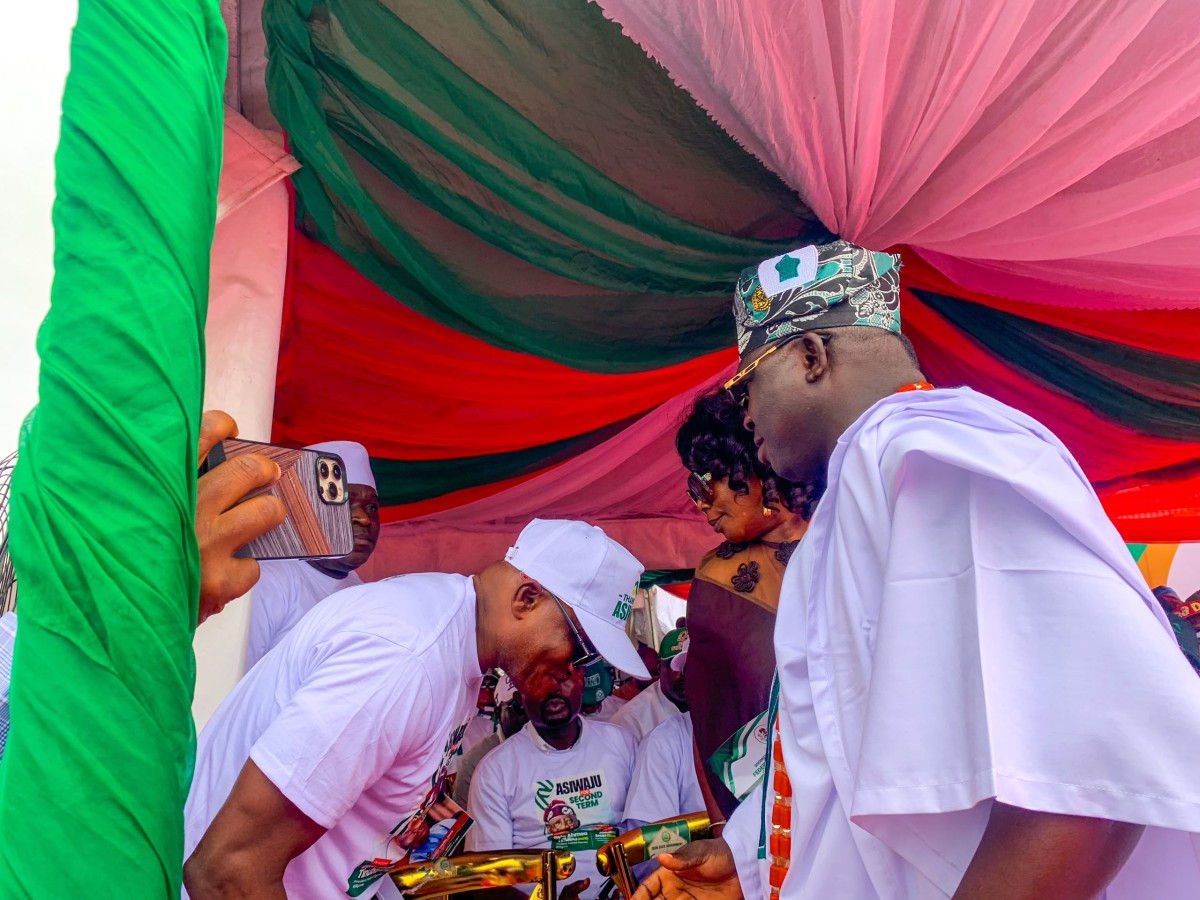
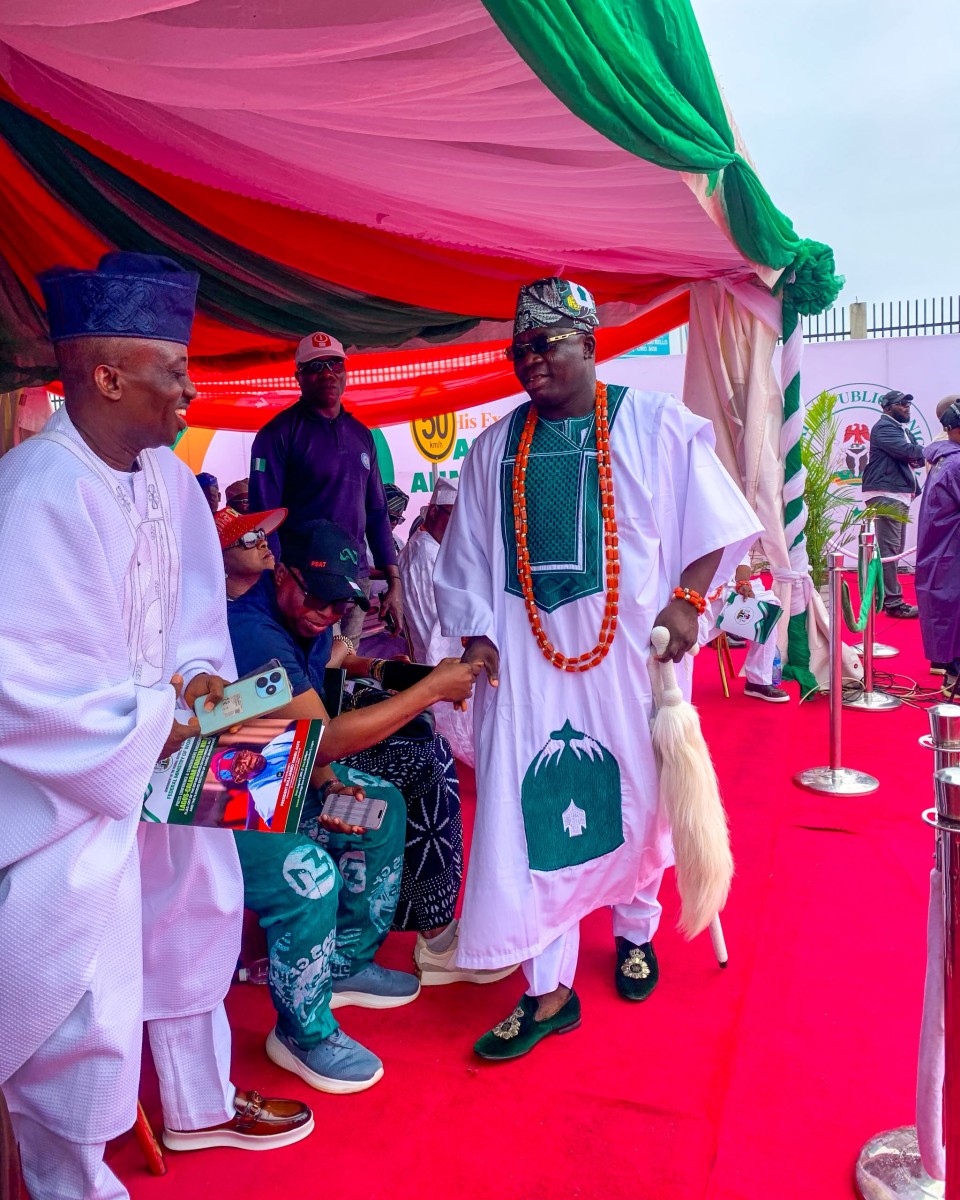
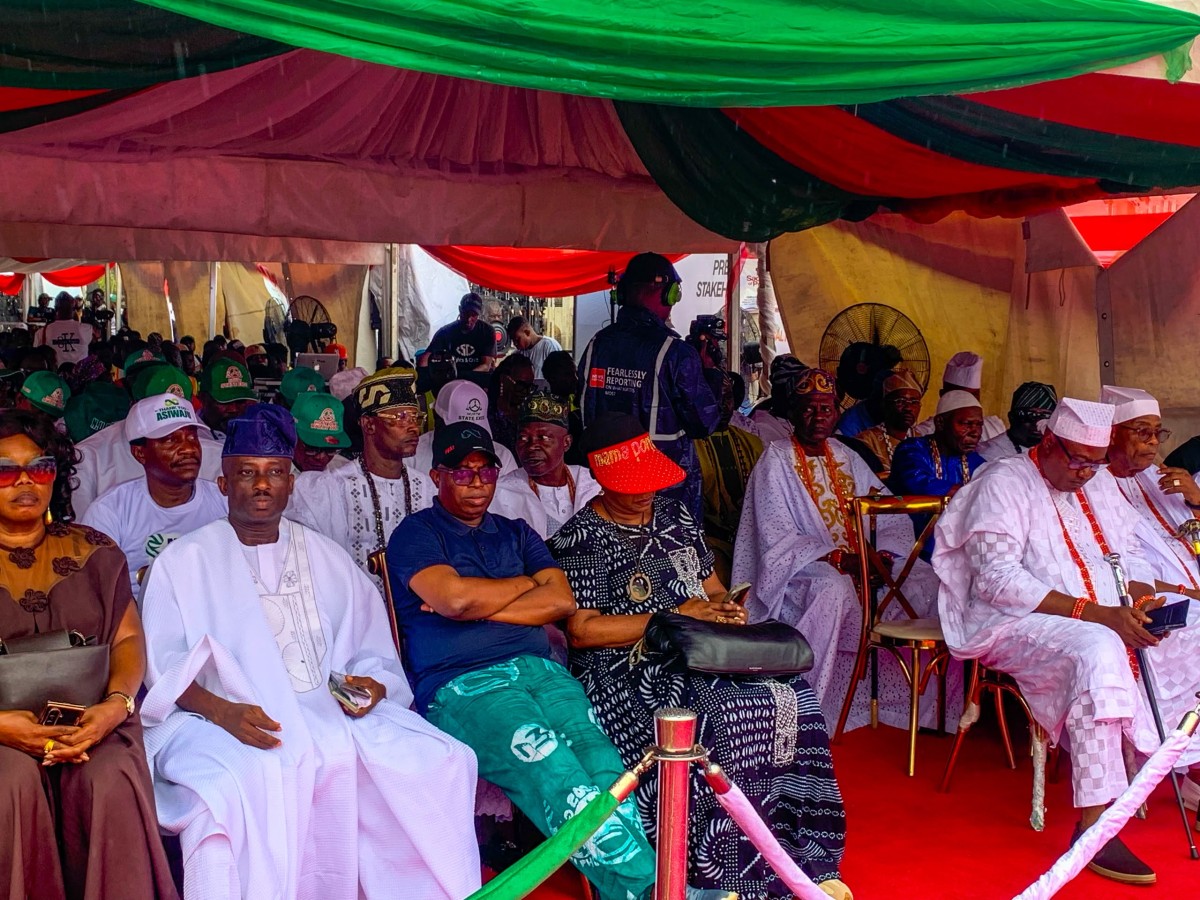
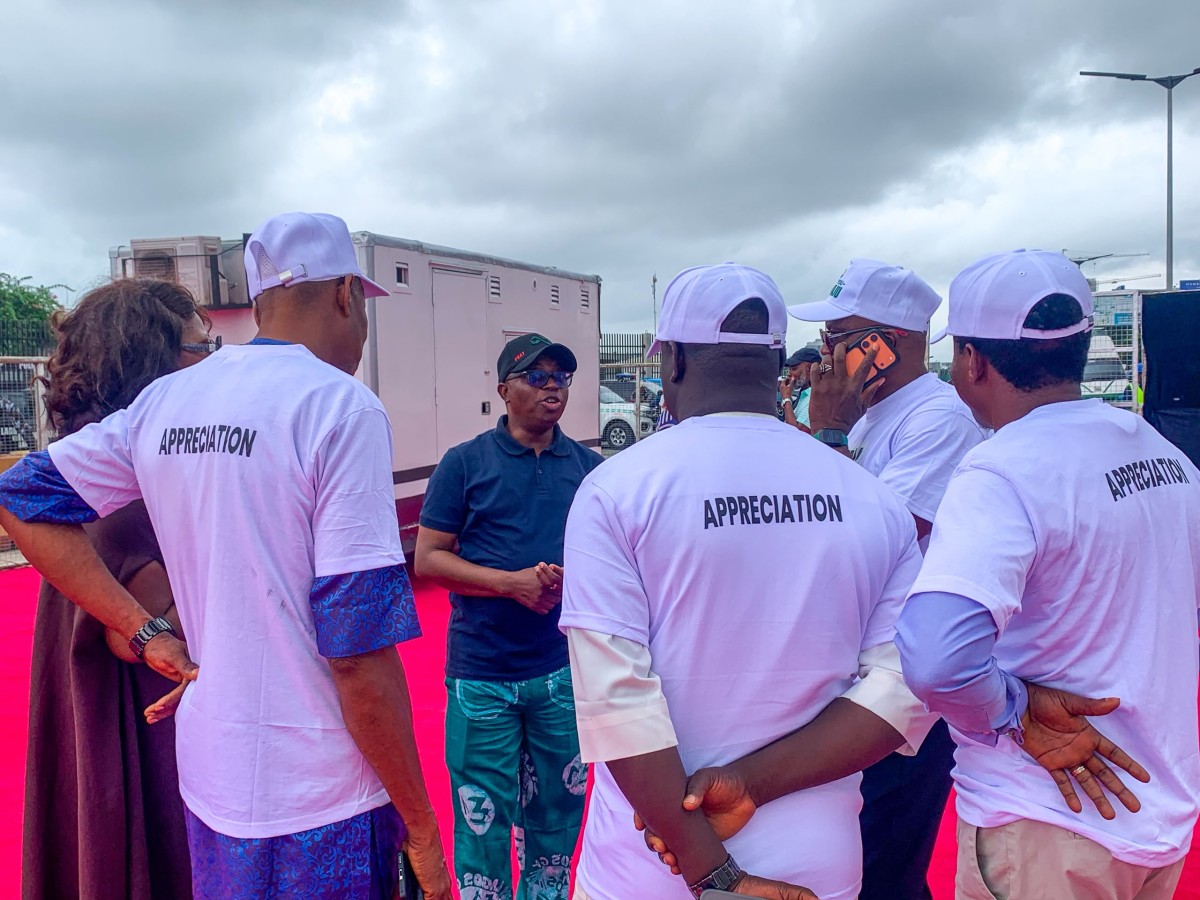
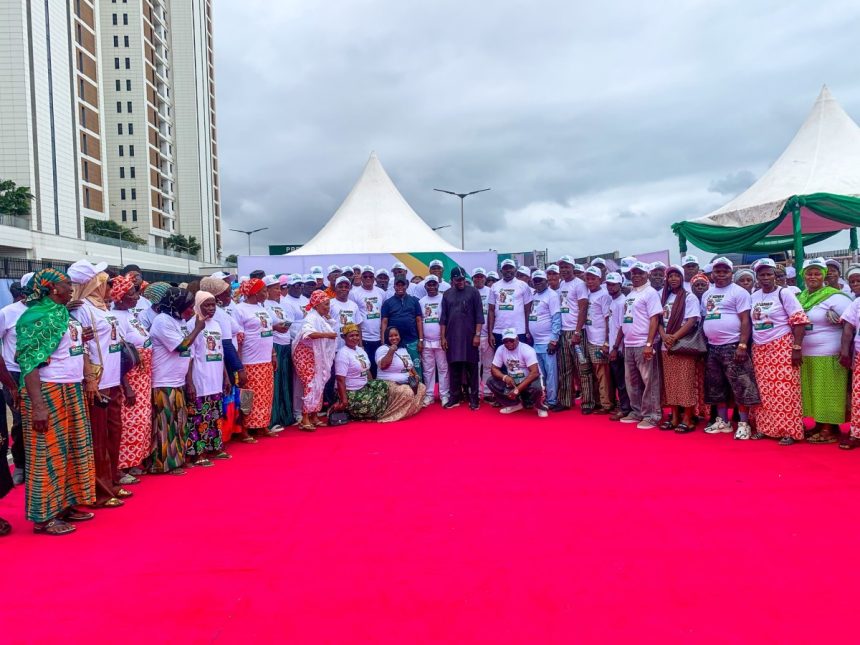
Eko Hot Blog reports that the development was announced during a stakeholders’ press conference and engagement session held at Section 1, Chainage Zero of the Lagos–Calabar Coastal Highway, where key federal and state officials, local government leaders, and other stakeholders gathered to assess ongoing and planned interventions along critical transportation corridors.
Among the stakeholders at the engagement was the Executive Chairman of Ibeju-Lekki Local Government, Hon. Engr. Abdullahi Sesan Olowa, whose council is strategically located along the Lagos–Calabar Coastal Highway corridor.
The infrastructure intervention covers several critical areas, including the construction of service lanes and secondary drainage systems along the coastal highway, the inauguration of Coastal Road Guards to protect the newly developed infrastructure, and the rehabilitation of the Eko Bridge and Marine Bridge.
The Federal Government also announced immediate intervention on flooded sections of the Lagos–Ibadan Expressway as part of efforts to address recurring challenges affecting motorists and commuters.
The latest measures are expected to provide relief to road users while improving the resilience of Lagos’ transportation network against flooding and other environmental challenges.
The Lagos–Calabar Coastal Highway, one of the Federal Government’s major transportation projects, is particularly significant to the state’s coastal communities, with the corridor expected to enhance the movement of people and goods while opening up new opportunities for trade, tourism, real estate, logistics, and other economic activities.
The introduction of service lanes and additional drainage infrastructure is also expected to improve accessibility for communities and businesses located along the corridor while helping to manage surface water and reduce the impact of flooding on road infrastructure.
The rehabilitation of the Eko Bridge and Marine Bridge is another major component of the intervention, considering the strategic roles both bridges play in connecting different parts of Lagos and facilitating daily movement across the metropolis.
The planned intervention on flooded portions of the Lagos–Ibadan Expressway is equally expected to address one of the major challenges confronting motorists during periods of heavy rainfall, particularly along sections prone to water accumulation.
Speaking at the engagement, stakeholders welcomed the Federal Government’s renewed attention to critical transportation infrastructure and called for sustained collaboration among federal, state, and local authorities to ensure effective implementation and maintenance of the projects.
The participation of local government authorities was also seen as important, particularly for councils such as Ibeju-Lekki located along the coastal corridor, where infrastructure development is closely linked to rapid population growth and increasing economic activities.
Hon. Engr. Olowa expressed appreciation to President Bola Ahmed Tinubu for the renewed focus on critical infrastructure and acknowledged the Federal Ministry of Works and the Lagos State Government for their respective roles in advancing major transportation projects across the state.
He noted that improved roads, bridges, drainage systems, and flood mitigation infrastructure would contribute significantly to the movement of people and goods while supporting businesses and communities across Lagos.
The Federal Government’s latest infrastructure push comes at a time when Lagos continues to experience rapid urban expansion and increasing pressure on its transportation network.
With the coastal corridor serving as a major emerging economic axis, the successful delivery and maintenance of the projects could further strengthen connectivity between communities and enhance the economic potential of Lagos’ coastal belt.
The stakeholders’ engagement therefore underscored the need for continued cooperation among all levels of government and relevant agencies to ensure that the infrastructure investments translate into safer roads, improved mobility, stronger flood resilience, and greater economic opportunities for residents