- Germany, operating independently and alongside European Union partners, returned at least 137 Nigerian citizens across five separate chartered flight operations between February and June 2026.
- Documented arrivals at the Lagos Cargo Airport recorded 27 deportees in February, 37 directly from Germany during a 50-person joint EU operation in March, 24 in April, 23 in May, and 26 in June.
- Human rights groups raised alarm over the inclusion of medically unfit individuals, long-term European residents, and procedural blunders, including the temporary wrongful deportation of a family holding valid residency papers.
- Civil society monitors reported a troubling lack of governmental reception assistance upon arrival in Lagos, leaving returning citizens to navigate post-deportation challenges without official welfare support.
At least 137 Nigerian nationals were deported from Germany between February and June 2026 through a series of five organized charter flight operations.
Eko Hot Blog reports that data compiled by migration monitoring organizations, including the DERS Team and Refugees4refugees.org, underscores an intensified reliance on dedicated charter flights by German federal authorities and European Union border protection mechanisms to enforce return decisions involving Nigerian migrants.
EDITOR’S PICK
- Tinubu Approves Army Expansion, Recruitment of 28,000 Personnel
- Aregbesola Claims Record as First Nigerian Governor to Serve Eight Years Without Owning a House
- Ikosi-Ejinrin LCDA Commissions Fully Equipped NSCDC Divisional Headquarters, Donates Patrol Vehicle and Motorcycle to Boost Security
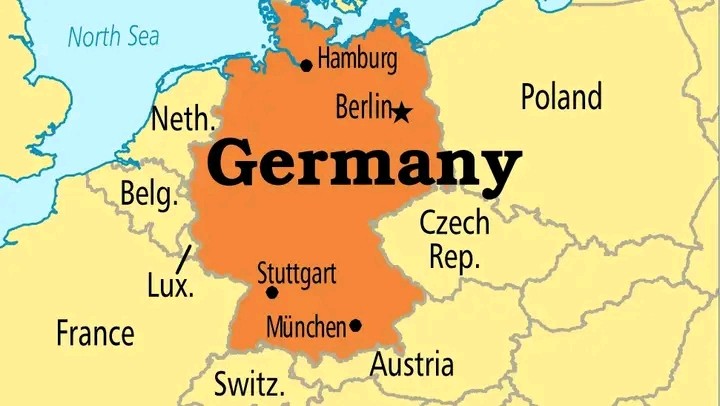
The deportation drive commenced on February 18, 2026, when a charter flight operated by World2fly landed at the Lagos Cargo Airport carrying 27 deportees from Stuttgart.
While the enforcement was spearheaded primarily by the German state of Baden-Württemberg, reports indicated that one severely ill passenger was transferred from Slovakia to join the flight.
Among those returned were individuals who had resided and worked in Germany for many years, alongside vulnerable cases.
One notable instance involved a single mother and her three children removed from the Sindelfingen district despite possessing valid residence documentation; the family was subsequently allowed to re-enter Germany after local foreign offices acknowledged the enforcement had occurred in error.
Subsequent operations expanded in scope and coordination. On March 10, a major joint European operation hosted by Germany alongside Spain, Austria, and Belgium returned 50 migrants to Lagos, with Germany accounting directly for 37 of the individuals.
This marked the largest single deportation flight involving Nigerians recorded in recent years. Further chartered flights organized through Frankfurt in conjunction with the EU border agency Frontex brought back 24 Nigerians on April 9, including women and a minor, followed by additional routine charter arrivals of 23 deportees in May and 26 deportees on June 17.
Migration advocacy groups have sharply criticized the execution of these deportation procedures, emphasizing that human rights standards and safeguards for vulnerable persons are frequently overlooked.
On-ground monitors noted that upon landing in Lagos, returning citizens received no formal government reception or emergency reintegration assistance from relevant national agencies, forcing deportees to clear airport premises without basic support.
The accelerating pace of returns coincides with heightened European debates over border control and asylum policies, even as underlying drivers of irregular migration, such as economic hardship, insecurity, and systemic inequality, persist across developing nations.
Civil rights organizations continue to urge both European governments and Nigerian authorities to institute transparent oversight mechanisms to prevent wrongful removals and ensure that human dignity is upheld throughout migration management processes.
FURTHER READING