- Iran rejected Trump’s latest economic measures
- Araghchi called the policy a failed strategy
- Tensions remain high over the Strait of Hormuz
Iranian Foreign Minister Abbas Araghchi has criticised United States President Donald Trump’s latest economic measures against Tehran, describing the proposed campaign as another failed attempt to pressure Iran into changing its position.
Eko Hot Blog gathered that Araghchi made the remarks on Thursday in a post on X, arguing that Washington’s planned economic action would worsen tensions rather than resolve the underlying dispute between the two countries.
EDITOR’S PICK
- Osun Election: INEC Reports 94.5% Polling Units Opened on Time
- THEDSF Visits Alara of Ilara Kingdom, Seeks Royal Support for Youth Mobilisation
- Super Falcons Miss Women’s World Cup for First Time
He said the US focus on what Trump described as an “Economic D-Day” was an attempt to divert attention from America’s own economic difficulties, including rising debt and interest costs.
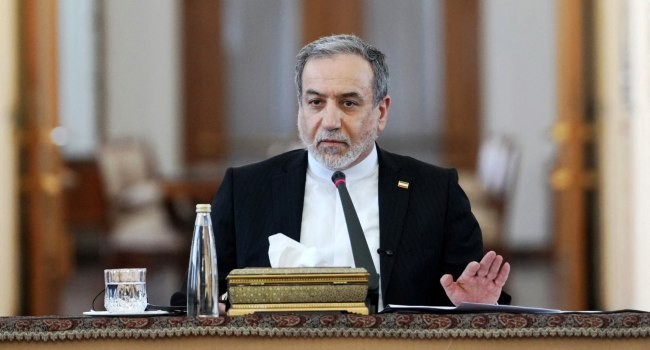
Araghchi also accused Washington of using economic pressure in a way that could affect other countries and undermine their economic independence.
His comments followed Trump’s announcement on Truth Social that the United States would launch what he described as an unprecedented economic campaign against Iran.
Trump warned that countries allowing their banks, businesses, airports or government institutions to provide assistance to Iran could face severe economic penalties from Washington.
The latest confrontation comes amid the continuing fallout from the conflict that began on February 28, when US and Israeli attacks on Iran triggered retaliatory strikes by Tehran across parts of the region.
Although an April 8 ceasefire halted the most intense fighting, tensions have persisted around the Strait of Hormuz, a crucial route for global energy shipments.
The waterway has remained a major point of disagreement between Tehran and Washington. The United States has pushed for its reopening, while Iran has linked any reopening to the lifting of the US naval blockade on its ports, the removal of oil sanctions and the release of Iranian assets held abroad.
Trump has maintained a policy of maximum economic pressure on Iran, reviving sanctions after returning to office in January 2025. The approach mirrors the sanctions strategy adopted during his first presidential term.
Iran has repeatedly rejected the policy, arguing that years of sanctions have failed to force Tehran to abandon its policies.
The latest exchange between the two governments suggests that economic pressure remains a central part of Washington’s strategy, while Tehran continues to oppose sanctions and threats as a means of resolving the dispute.
FURTHER READING