
- Lagos is developing a system to measure transport emissions
- The move targets cleaner and greener transportation
- It could also improve access to climate financing
Lagos State is developing a framework to measure carbon emissions from its transport sector as part of efforts to assess the environmental impact of mass transit projects and attract climate financing.
Eko Hot Blog gathered that the the initiative emerged from discussions between the Lagos Metropolitan Area Transport Authority (LAMATA) and the Lagos State Office of Climate Change and Circular Economy (OCCE).
EDITOR’S PICK
- Osun Election: INEC Reports 94.5% Polling Units Opened on Time
- THEDSF Visits Alara of Ilara Kingdom, Seeks Royal Support for Youth Mobilisation
- Super Falcons Miss Women’s World Cup for First Time
A delegation from the climate office, led by Special Adviser to the Governor, Titilayo Oshodi, recently visited LAMATA’s headquarters for discussions on creating a reliable system for tracking transport-related emissions.
LAMATA Managing Director, Engr. Abimbola Akinajo, said accurate emissions data would help the state determine the climate impact of its transport investments and identify additional ways to reduce carbon emissions.
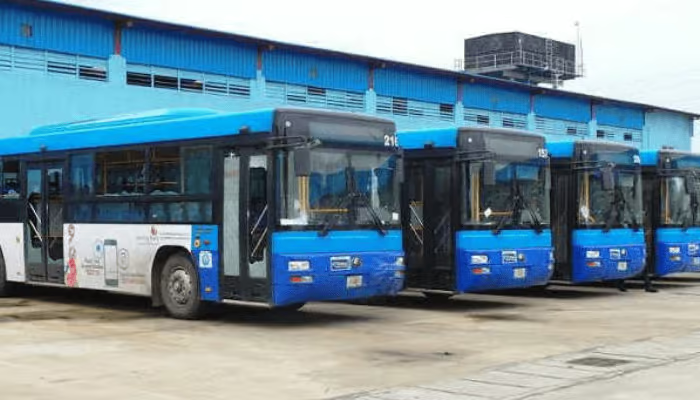
She noted that Lagos’ growing investment in electric mobility, rail transport and other cleaner public transportation systems could support the state’s climate goals while improving mobility for residents.
Akinajo said establishing credible emissions data could also enable Lagos to demonstrate its environmental gains and take advantage of emerging international climate-financing opportunities.
The meeting included a demonstration of the DecarbonIQ Intelligence Platform, a technology designed to monitor, measure and manage emissions across transport systems.
The platform features tools that can help transport authorities assess their carbon output, identify opportunities for emissions reduction and maintain a centralised database of verified emissions information.
The technology also supports mechanisms linked to Article 6 of the Paris Agreement, which allows countries to cooperate on achieving climate targets through carbon-market arrangements and other forms of international climate cooperation.
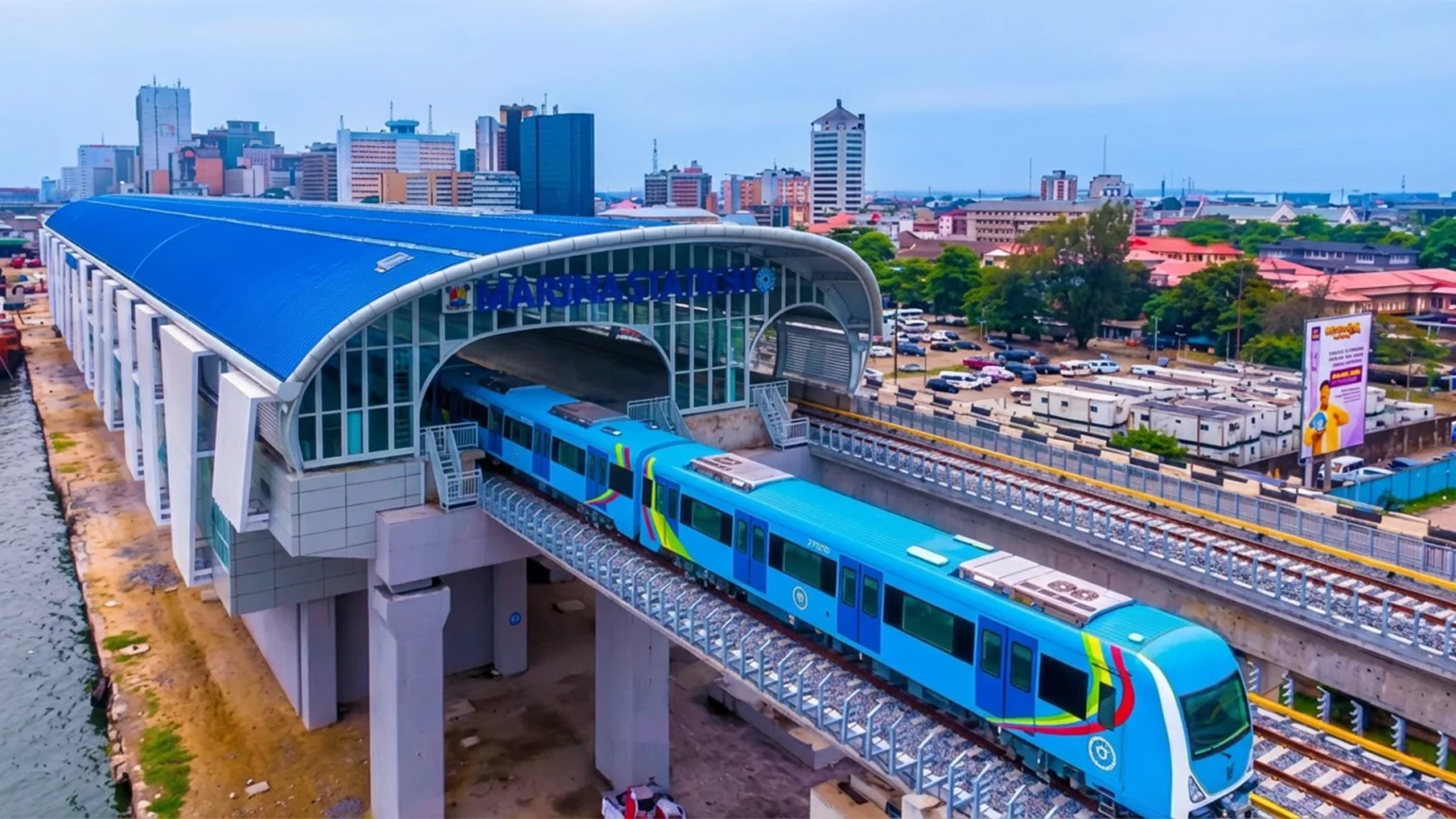
Oshodi emphasised the importance of creating a trusted and verifiable carbon-data system as Lagos increases investment in electric buses, rail infrastructure and other low-emission transport projects.
She described transportation as a key component of Lagos’ climate strategy, stressing that reliable data would be necessary to measure the results of the state’s investments.
The collaboration represents a shift from simply introducing cleaner transport systems to developing ways of quantifying the environmental benefits they generate.
LAMATA said it was ready to work with the climate office and other stakeholders to develop data-based approaches for sustainable transportation.
The authority added that combining technology, verified emissions data and investment in cleaner infrastructure could strengthen Lagos’ ability to access climate finance and build a more sustainable and resilient urban transport system.
FURTHER READING