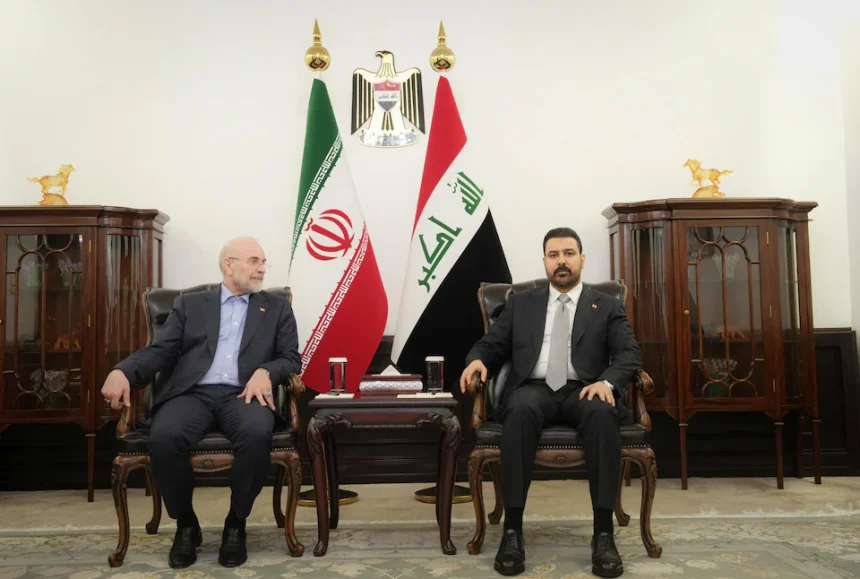
- Iran has approved passage for some Iraqi oil tankers through Hormuz
- Baghdad had repeatedly requested access to the strategic waterway
- Iraq is also exploring alternative routes for its oil exports
Iran has authorised a number of Iraqi oil tankers to transit the Strait of Hormuz after receiving several requests from Baghdad, Iranian state news agency IRNA reported on Saturday.
Eko Hot Blog reports that the approval followed repeated appeals from Iraqi authorities through diplomatic channels, with the issue reportedly featuring prominently during Iranian Parliament Speaker Mohammad Baqer Qalibaf’s recent visit to Iraq.
EDITOR’S PICK
- Tinubu Directs Installation of 3,700 Telecom Towers Across Nigeria
- Alara of Ilara Praises Sanwo-Olu, LASU Staff’s Dedication To Progress
- Burna Boy, Tems Bag Nominations at 2026 MTV VMAs
IRNA said securing permission for Iraqi oil vessels to use the strategic waterway was among Baghdad’s key requests during the visit.
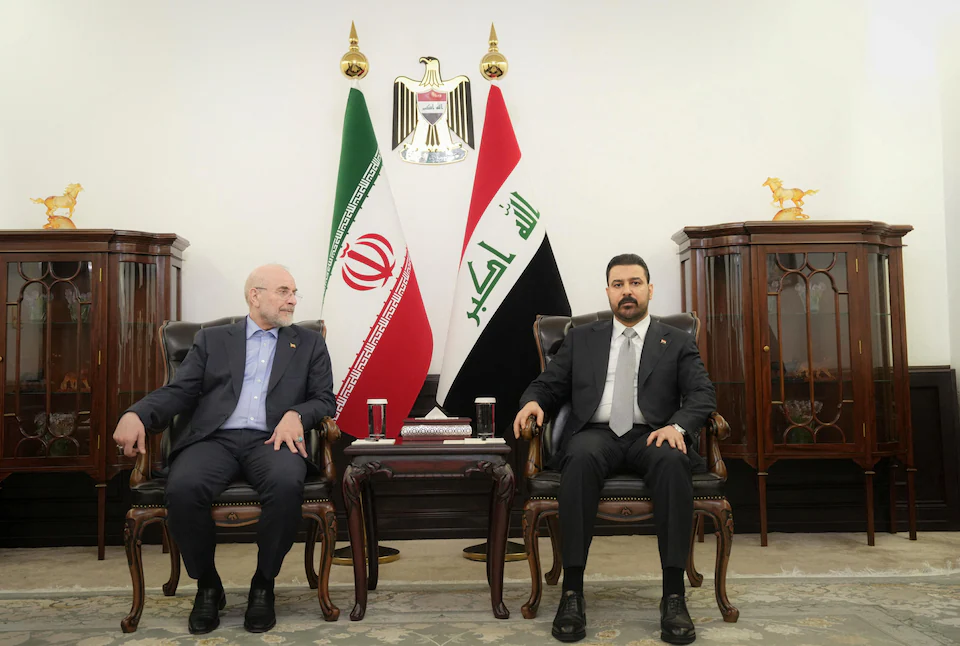
Iraqi President Nizar Amedi also confirmed that Iran had enabled vessels transporting Iraqi crude to move through the Strait in recent days. He said Iraqi officials had held discussions with their Iranian counterparts about maintaining oil exports through the waterway.
Speaking at the Baghdad Dialogue policy conference, Amedi described the situation as complicated, particularly as Iraq remains one of the countries most affected by the disruption of shipping through the Strait.
Maritime traffic through the strategic passage remains significantly lower than levels recorded before the conflict, while vessels operating in the area continue to face security threats.
Iraq was producing roughly four million barrels of crude oil per day before the outbreak of the Iran conflict, making access to export routes particularly important for the country’s economy.
To reduce its dependence on the Strait of Hormuz, Baghdad is also pursuing alternative routes for its oil exports.
Iraqi Prime Minister Ali al-Zaidi said on Friday that the government was working to increase crude shipments through Turkey’s Ceyhan port while exploring plans to export oil through Syria’s Baniyas port and Jordan’s Aqaba port.
The developments come as uncertainty surrounding the security of the Strait of Hormuz continues to weigh on international oil markets and regional energy supplies.
FURTHER READING