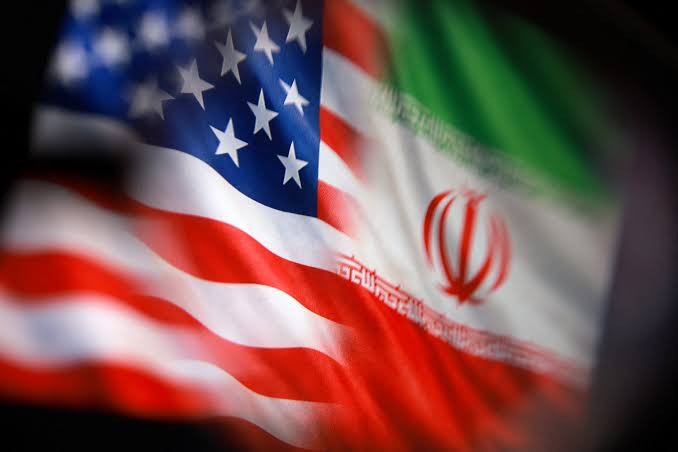
- The US is preparing tougher sanctions on Iran
- Washington calls it the “greatest financial offensive.”
- Iran has threatened to halt Gulf oil exports
The United States is preparing to impose fresh sanctions on Iran and countries that continue to do business with Tehran, in what Treasury Secretary Scott Bessent described as an unprecedented financial campaign.
Eko Hot Blog reports that Bessent is expected to outline the new measures at a press conference on Monday, as Washington intensifies economic pressure on Iran following months of conflict.
EDITOR’S PICK
- Tinubu Directs Installation of 3,700 Telecom Towers Across Nigeria
- Alara of Ilara Praises Sanwo-Olu, LASU Staff’s Dedication To Progress
- Burna Boy, Tems Bag Nominations at 2026 MTV VMAs
In an opinion article published in the Financial Times, Bessent described the planned sanctions as the most extensive financial offensive ever deployed against an adversary. He also warned countries maintaining economic and financial ties with Iran that they could face consequences.
Iran has responded with a threat to halt all oil exports from the Gulf if the US continues what Tehran considers an economic war.
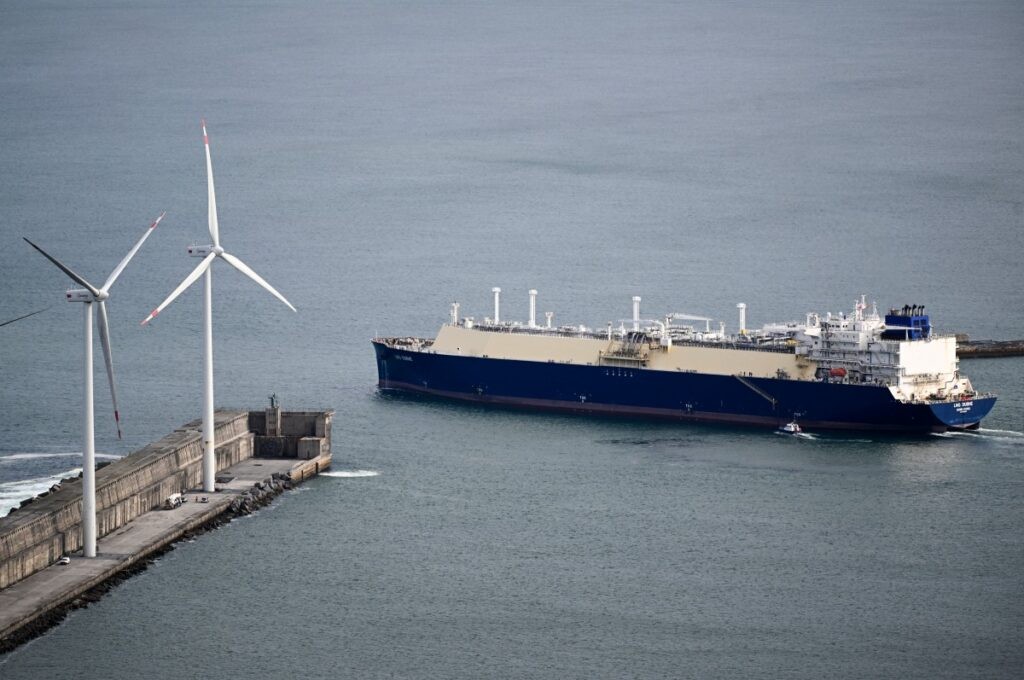
Mohsen Rezaei, secretary of Iran’s Supreme National Security Council, said Iran would consider any country supporting Washington’s economic campaign against Tehran to be participating in an act of war.
The latest confrontation comes after weeks without direct military strikes between the US and Iran, although no meaningful negotiations have taken place to end the conflict.
Thousands of people have reportedly been killed since the US and Israel launched attacks on Iran and Lebanon on February 28. The conflict has damaged Iran’s military capabilities and infrastructure, while Iranian Supreme Leader Ayatollah Ali Khamenei was also killed.
Despite the damage, Iran retains missile and drone capabilities that could threaten neighbouring Gulf states and shipping in the Strait of Hormuz.
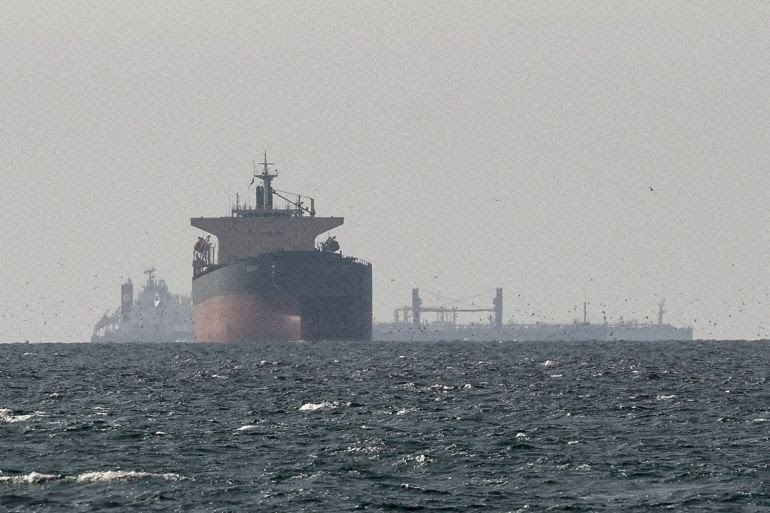
Disruptions around the strategic waterway have severely reduced maritime traffic and contributed to pressure on global energy markets. The current condition of Iran’s nuclear programme also remains uncertain, despite US and Israeli efforts to destroy its capabilities.
Bessent has called on countries, including those that maintain significant economic relations with Iran, to reconsider their involvement with the Iranian economy.
China has pushed back against the US approach. A spokesperson for the Chinese embassy in Washington said sanctions and pressure would not resolve the crisis and called for a diplomatic solution.
Iran was already facing severe economic difficulties before the latest conflict, including high inflation, a weakening currency, energy shortages and years of international sanctions.
The war has added further pressure through damage to infrastructure, disruptions to trade and production losses, while increasing the cost of reconstruction.
With direct US-Iran negotiations stalled, countries including Qatar, Pakistan and Turkey have been attempting to encourage diplomatic efforts.
Iran said Pakistan’s army chief, Asim Munir, was scheduled to visit Tehran on Monday as part of efforts to discuss regional security and the latest developments.
A Pakistani government source said the threatened US sanctions would also feature in Munir’s discussions during the visit.
The conflict has resulted in thousands of deaths and displaced millions across Iran and Lebanon. The United States has reported the deaths of 18 military personnel and more than 750 wounded.
FURTHER READING