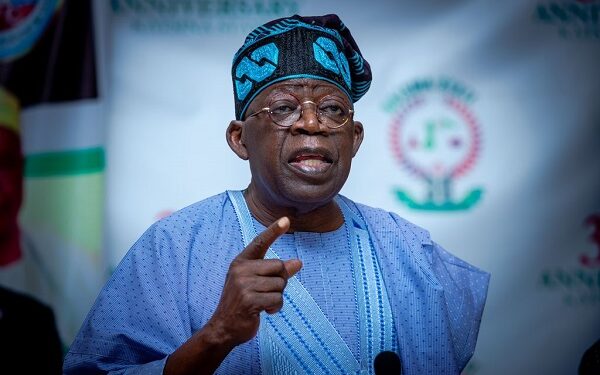
President Bola Tinubu’s recall of all Nigerian ambassadors in September 2023 was described as part of a “comprehensive diplomatic review.”
More than two years later, the country is yet to fill those vacant positions, leaving 109 foreign missions without substantive heads and raising concerns about Nigeria’s ability to project its interests abroad.
EDITOR’S PICKS
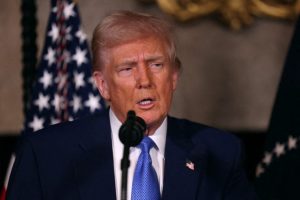
The absence of ambassadors recently drew significant attention after U.S. President Donald Trump threatened military action against Nigeria over alleged targeted killings of Christians.
Trump’s remarks, posted on his social media platform, accused the Nigerian government of permitting religious violence and warned that the U.S. could “go into that disgraced country, guns-a-blazing.”
With no ambassador currently stationed in Washington, Nigeria lacks a top diplomat to directly engage U.S. authorities and counter such inflammatory rhetoric through formal diplomatic channels.
Diplomatic Vacuum and Limited Engagement
Since the 2023 recall, most Nigerian embassies, high commissions, and consulates, comprising 76 embassies, 22 high commissions, and 11 consulates, have been headed by chargés d’affaires or senior consular officers. These officials handle day-to-day operations but lack the full authority to represent the country in high-level negotiations or policy discussions.
“The truth is that most foreign governments do not give the same regard to chargés d’affaires as they do to ambassadors,” one senior Foreign Service source told The PUNCH. “At a time like this, with many diplomatic demands, it is crucial that ambassadors be appointed.”
Analysts say the prolonged vacuum has weakened Nigeria’s diplomatic visibility. Without ambassadors, Nigeria’s missions are less able to influence foreign policy debates, advocate for citizens, or defend the country’s image in times of controversy. It also limits the government’s ability to attract investment or respond effectively to crises involving Nigerians abroad.
Presidency Moves to Finalise Appointments
Presidency officials familiar with the process said Tinubu has ordered a “final cleanup” of the ambassadorial list ahead of its release. Some nominees initially screened by the Senate reportedly died, retired, or took other appointments during the long delay.
“The list of those screened has left the Senate long ago; it has been returned to the President,” a senior official explained. “They are just cleaning it up now because some people on that list are no longer eligible.”
Security and background clearances were reportedly completed months ago, but the final release stalled due to administrative and funding challenges. Earlier reports indicated that more than $1 billion would be needed to settle arrears of foreign service officers, renovate embassies, replace diplomatic vehicles, and cover operational costs.
Tinubu has publicly acknowledged the difficulty of balancing political and professional interests in the appointments. “It’s not easy stitching those names,” he said in September 2025. “I still have some slots for ambassadorial positions that so many people are craving for.”
Strained Representation in a Critical Period
Officials insist that the absence of ambassadors did not directly cause the latest diplomatic strain with the United States, but concede that their presence could have improved communication. “Foreign partners prefer to engage at the ambassadorial level, especially in moments of crisis or negotiation,” one Presidency source noted.
FURTHER READING
In a world where diplomacy often relies on personal relationships and immediate access to decision-makers, Nigeria’s continued absence of ambassadors represents more than a bureaucratic delay, it signals a gap in international engagement. As global challenges mount and national reputations face scrutiny, the timely restoration of Nigeria’s diplomatic leadership abroad may prove essential to rebuilding trust and influence on the world stage.
Philip Ibitoye is a Special Correspondent with EKO HOT BLOG. Click here to find daily analysis and critical insight on trending issues in Lagos and other parts of Nigeria.
Click here to watch the video of the week below: