The 2025 Africa Cup of Nations (AFCON) final in Rabat will be remembered not just for Senegal’s triumph, but also for a moment of defiance that sparked continental debate about how athletes should respond to perceived injustice.
When coach Pape Bouna Thiaw ordered his players off the pitch in the dying moments of normal time, he ignited a controversy that transcended football — one that raises profound questions about dignity, protest, and the limits of sporting decorum.
EDITOR’S PICKS
EKO HOT BLOG gathered that chaos erupted just minutes after Senegal believed they had scored a legitimate winner. Two minutes into stoppage time, Abdoulaye Seck bundled the ball into the net during a goalmouth scramble. But the referee ruled it out for a push on Achraf Hakimi, waving away calls for a VAR review despite widespread consensus among viewers that the contact was minimal and within the natural jostling of set-piece play. The decision was made swiftly, with little deliberation.
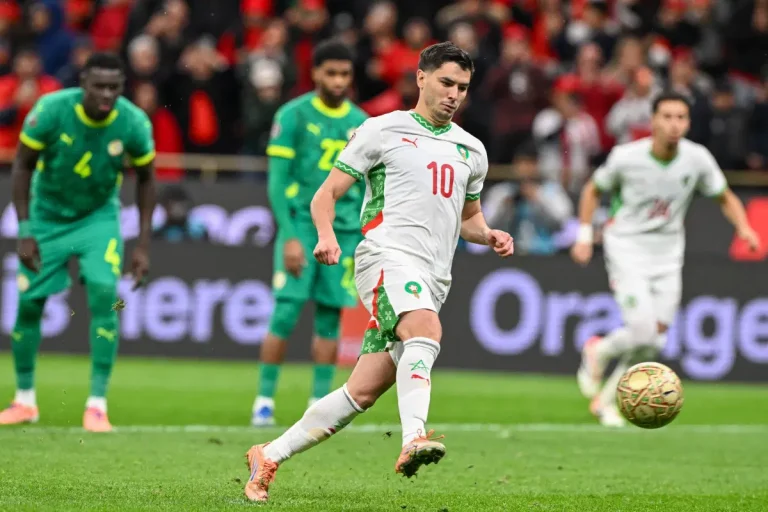
Then came the breaking point. Two minutes later, following a VAR review for a challenge on Brahim Díaz, the same referee pointed to the spot for Morocco. The contrast was stark: what seemed a clear goal denied without serious video consultation, followed immediately by a penalty awarded after extended review. For the Senegalese, it was the final straw in what they perceived as systematic bias.
This perception had been building throughout the tournament. In Morocco’s semifinal victory over Nigeria, a pattern emerged that would repeat itself in the final. The Super Eagles faced what many observers considered questionable officiating by Ghanaian referee Daniel Nii Ayi Laryea.
Most egregiously, Calvin Bassey received a yellow card in the 31st minute despite replays showing Díaz pulling the defender’s shirt before simulating contact to his face. Morocco committed multiple tactical fouls to halt Nigerian counterattacks throughout that match without receiving a single yellow card. Nigeria’s Moses Simon was denied a clear corner kick, and the referee made several dubious calls that disrupted the Super Eagles’ attacking rhythm.
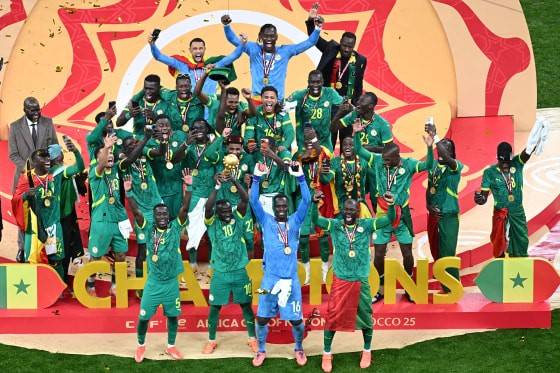
When similar patterns emerged in the final, Senegal refused to accept their fate quietly. Coach Thiaw’s decision to walk his team off represented an unprecedented act of protest on African football’s biggest stage. For 14 minutes, the match was suspended. It took captain Sadio Mané’s intervention to convince his teammates to return.
The walkoff teaches us two crucial lessons, even as we acknowledge its problematic nature.
First: injustice unchallenged is injustice normalised. FIFA President Gianni Infantino was right to call the scenes “unacceptable,” and Thiaw himself later admitted regret. Walking off was unsportsmanlike, a breach of football’s codes, and undeniably a poor look for the continent. Yet sometimes, conventional protest is insufficient. Had Senegal simply accepted the penalty decision with polite objections, would anyone beyond the stadium have noticed the pattern of questionable calls?
The walkoff transformed what might have been a footnote into a continental conversation about officiating standards and potential host-nation advantage. It was dramatic, it was ugly, but it forced acknowledgement of their grievances in a way that respectful dissent never could.
Second: resilience matters more than righteousness. After returning to the pitch, Senegal faced what many would consider the ultimate injustice — facing a penalty that could end their dreams of lifting the AFCON trophy. They could have collapsed psychologically. Instead, when Díaz’s penalty was saved by Edouard Mendy, they seized their reprieve. Pape Gueye’s 94th-minute winner in extra time completed one of the most improbable comebacks in AFCON history.
The Senegalese demonstrated that protest without persistence is merely spectacle. They made their statement, then did the harder work of channeling their anger into performance. They didn’t just rail against perceived injustice; they overcame it.
This dual lesson — speaking forcefully against unfairness while maintaining the determination to prevail despite it — applies far beyond football. In workplaces, communities, and societies where structural advantages create uneven playing fields, Senegal’s example offers a complex playbook: make noise when wronged, but don’t let protest substitute for the hard work of winning anyway.
The CAF disciplinary proceedings will likely punish Senegal for their walkoff, and perhaps rightly so within football’s governance framework. But they lifted the trophy. And in doing so, they’ve left African football with an uncomfortable question: When the rules seem rigged, what are the ethics of breaking them?
FURTHER READING
Senegal didn’t just teach us how to confront injustice. They taught us that sometimes confrontation requires both disruption and determination and that victory, hard-won against all odds, is the most eloquent protest of all.
Philip Ibitoye is a Special Correspondent with EKO HOT BLOG. Click here to find daily analysis and critical insight on trending issues in Lagos and other parts of Nigeria.
Click here to watch the video of the week below: