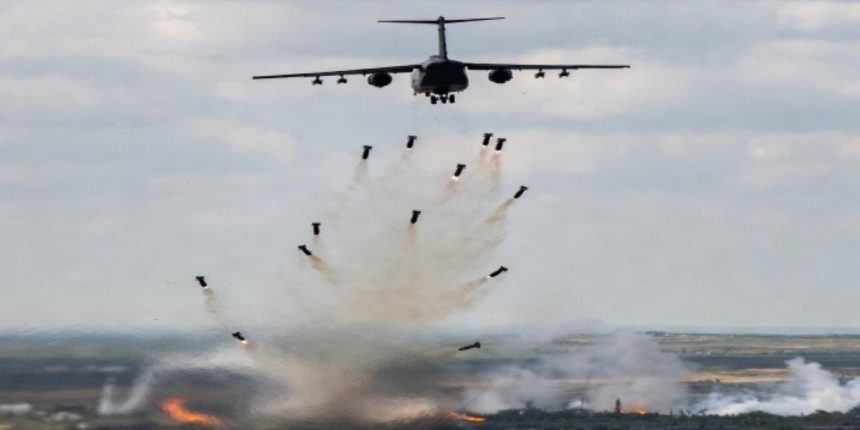
- A devastating late-night bombardment struck the Omid drug rehabilitation center in Kabul, Afghanistan, resulting in a massive fire that trapped hundreds of patients and medical staff.
- The Taliban administration has blamed Pakistan for the lethal strike, while Islamabad maintains the operation was a precise counter-terrorism mission targeting militant depots rather than civilians.
- International mediators, including China and the United Nations, have called for immediate restraint as hostilities between the two neighboring nations reach their most volatile point in recent history.
The international community is reeling following reports of a catastrophic airstrike on a state-run drug rehabilitation hospital in Kabul, which has reportedly claimed the lives of 400 people and left 250 others with severe injuries.
Eko Hot Blog reports that the attack, which occurred late Monday night, March 16, 2026, has triggered a diplomatic firestorm, with the Taliban government accusing Pakistan of a “dangerous escalation” of cross-border hostilities.
EDITOR’S PICK
- Ogun Begins Crackdown on Illegal Parks at Sango Border Over Rising Accidents
- Police Nab 30-Year-Old ‘Super M’ During Stop-and-Search in Lagos
- LASG Launches Investigation Into Cosmetic Surgery Death
According to Taliban deputy spokesman Hamdullah Fitrat, the strike hit the Omid rehabilitation facility around 9:00 p.m., leveled large sections of the complex, and sparked a fire that eyewitnesses described as “doomsday.”
Surviving patients recounted harrowing scenes of friends burning alive as the facility, which had served the community since 2016, was reduced to twisted metal and ash.
Rescue operations are still ongoing, with fears that the death toll may rise as bodies remain trapped under the heavy rubble.
Pakistan has swiftly moved to dismiss the allegations of a deliberate attack on a medical facility.
Information Minister Attaullah Tarar characterized the Taliban’s account as “false and misleading,” asserting that the strikes were part of a coordinated mission targeting military installations and terrorist support infrastructure.
Islamabad officials argued that secondary explosions observed at the site confirmed the presence of ammunition caches, suggesting the facility was being used by militants.
The incident comes just hours after China, a key regional mediator, urged both nations to return to dialogue.
The border conflict, stretching across a 2,600-kilometer frontier, has intensified over the past month, fueled by mutual accusations of harboring armed groups.
While Islamabad blames Kabul for cross-border militancy, the Taliban maintains that Pakistan’s security challenges are internal domestic issues.
United Nations Special Rapporteur Richard Bennett expressed dismay over the reports of civilian casualties, reminding all parties that international law strictly prohibits the targeting of critical infrastructure, including hospitals.
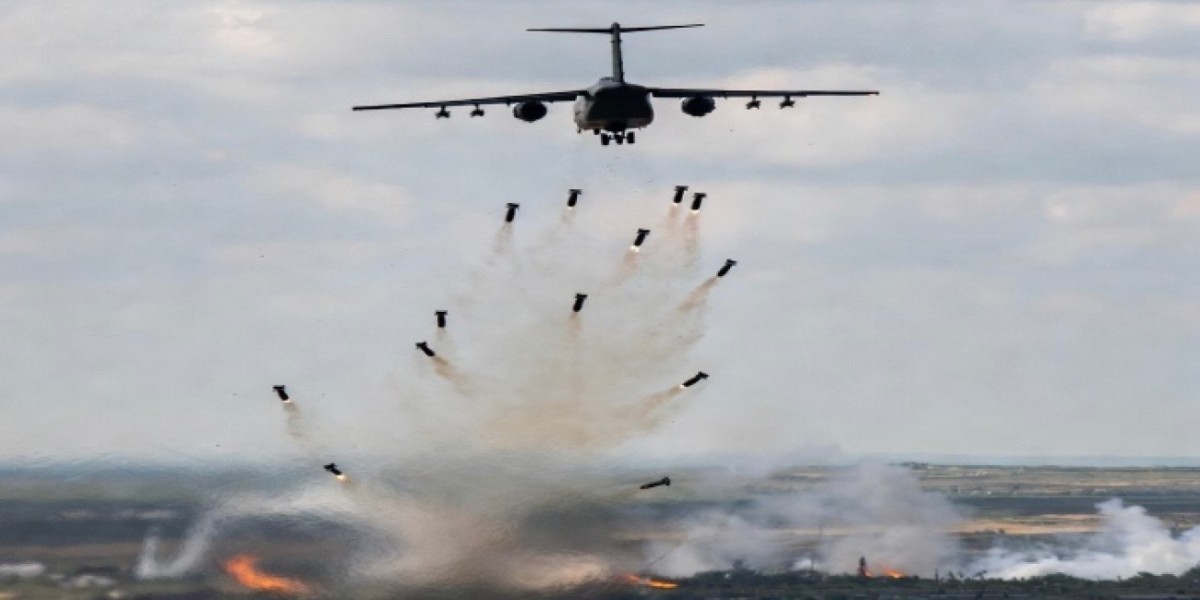
The destruction of the Omid center is a significant humanitarian blow, as the facility not only provided addiction treatment for hundreds but also offered vocational training designed to reintegrate vulnerable citizens into society.
As the smoke clears over Kabul, the trajectory of this conflict remains highly uncertain.
With both sides trading accusations and military presence heightening along the border, the tragedy at the rehabilitation hospital stands as a grim reminder of the human cost of regional instability.
Global leaders continue to monitor the situation closely, hoping to prevent the current friction from spiraling into a full-scale regional war.