- Australia is placing six individuals from the MV Hondius cruise ship into a high-security quarantine facility in Bullsbrook, Western Australia, following a deadly hantavirus outbreak on board.
- The group includes four Australians, one permanent resident, and one New Zealander. Although none currently show symptoms, they will be held for at least 21 days due to the virus’s long incubation period.
- Health Minister Mark Butler confirmed the government is listing hantavirus under national biosecurity legislation to legally mandate the quarantine, citing the high risk of transmission during the long repatriation flight from Spain.
The Australian government is taking no chances with the rat-borne hantavirus as it prepares to repatriate citizens from the MV Hondius.
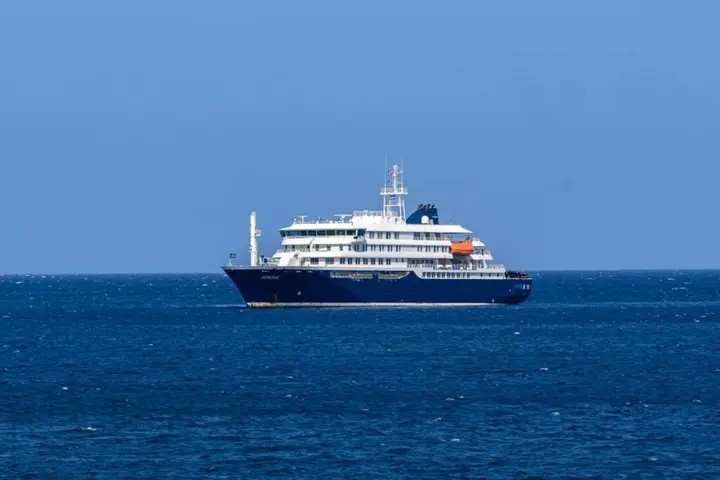
Eko Hot Blog reports that the cruise ship, which was traveling from Argentina to Cape Verde, became a floating biohazard after an outbreak left two people dead and another in intensive care.
EDITOR’S PICKS
- JAMB Delists 23 CBT Centres, Warns 89 After Mock UTME Review
- NASA Astronauts Return to Earth After First Human Trip to the Moon in 50 Years
- INEC Shifts Nationwide Voter Revalidation Until After 2027 General Election
While some nations are allowing passengers to isolate at home, Minister Mark Butler emphasized that Australia’s “stronger response” is necessary because the long-haul flight from Tenerife in a confined aircraft creates a higher risk environment for potential spread.
The selected quarantine site is the 500-bed Bullsbrook facility, a purpose-built center originally established during the COVID-19 pandemic.
Passengers will land directly at a neighboring RAAF base and be transferred immediately to the facility to prevent any community contact.
Experts note that hantaviruses can cause severe respiratory illness and hemorrhagic fever, making early containment critical.
The government noted that the incubation period for hantavirus can last up to 42 days, meaning the initial three-week stay may be extended based on medical assessments.
As repatriation flights are finalized, health officials are closely monitoring the situation to ensure the “complex operation” does not introduce the rare virus into the Australian population.