Yet when the time comes to occupy the positions where decisions are made, the presence of young Nigerians becomes far less visible.
Nigeria has one of Africa’s largest youth populations, but young people continue to face significant barriers to political participation beyond voting and online activism. For many, the challenge is not a lack of interest but the cost of getting involved, the structure of political parties and the influence of money in elections.
EDITOR’S PICK
- How Lagos Achieved 57.4% Exclusive Breastfeeding Rate
- Shaibu Lists Nigeria’s Biggest Security Challenges
- Vote, Protect Your Mandate, Governor Adeleke Urges Residents Ahead of August 15 Polls.
Political participation in Nigeria has increasingly become expensive. Aspirants seeking elective positions often need substantial financial resources to secure party tickets, organise campaigns, mobilise supporters and compete effectively.
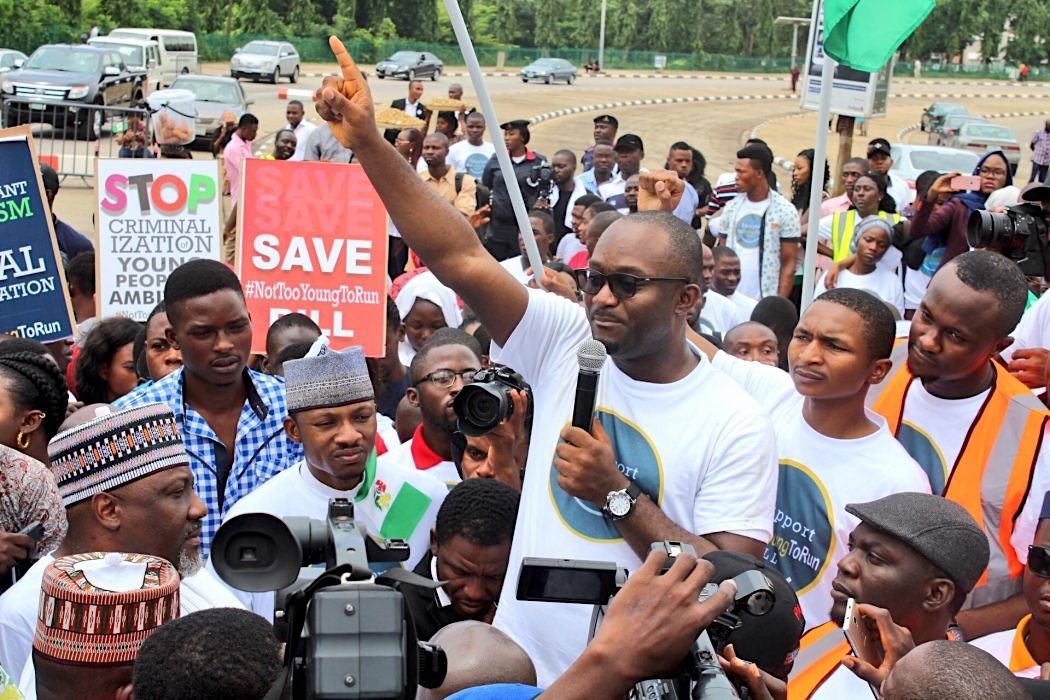
For young Nigerians who are just beginning their careers, such financial demands can be difficult to meet.
A youth political aspirant in Lagos, who asked not to be named because he is still considering his political future, said the financial burden discourages many young people before they even begin.
“People tell young people to contest elections, but nobody talks about how much it costs to get to the point where you can even be taken seriously,” he said.
According to him, political structures often favour people who already have strong financial backing, established networks or influential political sponsors.
This creates a difficult situation for young Nigerians. While many are politically conscious, they may not have the resources or connections required to move from activism into elective politics.
The problem is also linked to the internal structure of political parties.
Political parties remain the major route to elective office in Nigeria, but young aspirants often complain that party structures are dominated by older and more established politicians. Some youths therefore find themselves participating mainly as supporters, campaign volunteers or social media handlers rather than candidates.
For political analyst and civil society advocate, the issue goes beyond age.
Young people, he argued, need access to political structures, financial opportunities and mentorship that can help them build sustainable political careers.
“Being young does not automatically make someone a better politician. What young people need is an opportunity to compete, build experience and participate in decision-making,” he said.
The digital space, however, has changed how young Nigerians engage with politics.
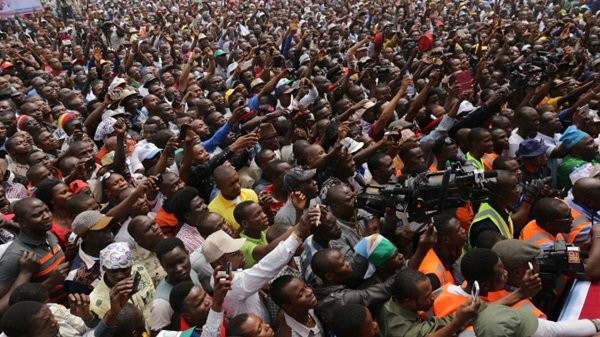
Platforms such as X, Facebook, Instagram, TikTok and WhatsApp have created opportunities for young people to discuss political issues without necessarily belonging to a political party. During election periods, these platforms become important spaces for political education, campaign mobilisation and public debate.
But online visibility does not always translate into political power.
A young person can have thousands of followers and still have little influence over who gets a party ticket or how political decisions are made. Social media can amplify a political message, but it cannot by itself remove the financial and structural barriers surrounding elections.
Civil society organisations have repeatedly encouraged young Nigerians to move beyond online engagement and become more involved in community organising, voter education and political advocacy.
For some youths, however, there is also growing frustration with the political system.
Many young Nigerians say they have participated in elections, supported candidates and campaigned online, only to feel disappointed when political promises are not fulfilled. This disappointment has contributed to political apathy among some young people who believe that their participation may not produce meaningful change.
The situation creates a paradox.
Young Nigerians are among the most politically vocal groups in the country, yet they remain underrepresented in elected positions. They are visible during campaigns but often disappear from the centres of political decision-making after elections.
Some analysts believe political parties must deliberately create more opportunities for young people to rise through their structures. This could include stronger youth representation in party leadership, transparent nomination processes, political training and measures that reduce the financial burden on younger aspirants.
Young Nigerians also have a responsibility.
Beyond posting political opinions online, they can join political parties, participate in community development, attend town hall meetings, support civic organisations and demand accountability from elected officials. Political participation does not begin and end with contesting elections.
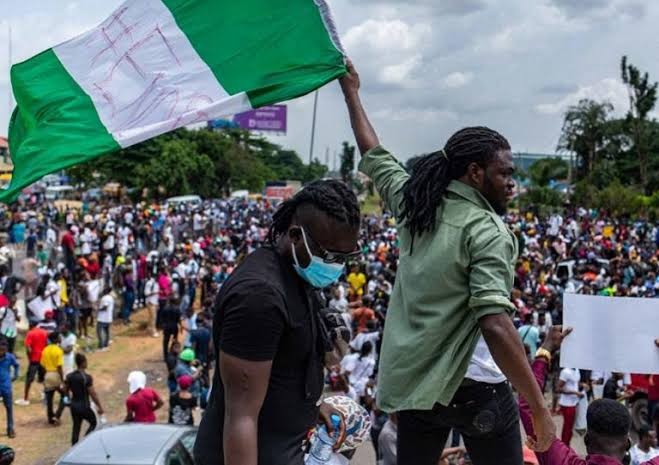
The challenge, therefore, is not simply that Nigerian youths are uninterested in politics. In many cases, they are already deeply involved. The bigger question is whether the political system is willing to give them enough space to move from spectators and online commentators to decision-makers.
Until that happens, Nigeria may continue to have a generation that is politically active on its phones but largely absent from the rooms where political decisions are made.
For a country whose future depends heavily on its young population, closing that gap may be one of the most important political tasks ahead.
FURTHER READING