
- CBN Signals New Forex Policy to Boost Foreign Exchange Supply
- Says recent reforms have helped bring a degree of stability to the foreign exchange market
- An average of 110 out of 1,000 Nigerian children die before age five
The Central Bank of Nigeria has hinted at plans to deepen its foreign exchange policy by creating more channels to boost forex inflows into the country.
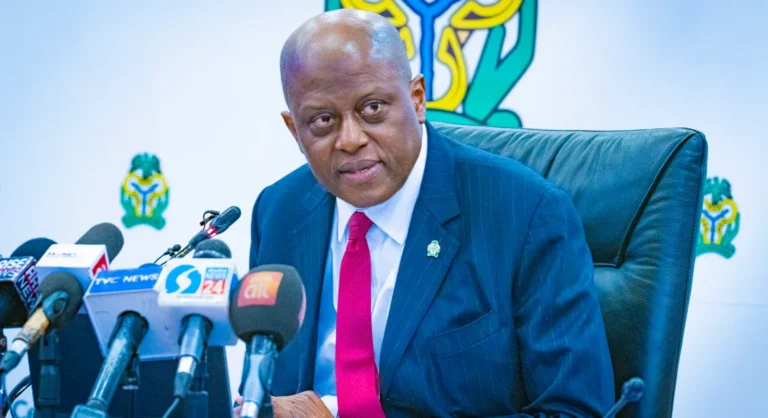
Eko Hot Blog reports that a Deputy Governor of the bank, speaking during a panel session at the unveiling of the World Bank’s Nigeria Development Update report in Abuja, said a new forex policy will be introduced next month to strengthen Nigeria’s ability to benefit from global market movements.
EDITOR’S PICK
- Drama as Expectant Mother Delivers Twin Boys in Bush in Benue
- Nigeria Can Overcome Its Challenges – Obasa
- Tinubu Approves ₦3.3 Trillion Plan to Clear Power Sector Debts
He noted that recent reforms have helped bring a degree of stability to the foreign exchange market, adding that the new framework will further enhance market efficiency and inflows.
According to him, the bank remains focused on sustaining the stability already achieved while working to improve liquidity and manage exchange rate pressures.
The event, organised by the World Bank, also featured senior government officials, including the Minister of Finance and Coordinating Minister of the Economy, Wale Edun.
The World Bank report, themed “Nigeria’s tomorrow must start today: The case of early childhood development,” highlighted significant gaps in Nigeria’s investment in children, noting challenges in health, nutrition, and early education.
It revealed that an average of 110 out of 1,000 Nigerian children die before age five, while 40 percent are stunted and 52 percent are not developmentally on track before entering school
World Bank officials stressed that improving early childhood development is key to boosting productivity, reducing poverty, and achieving long term economic growth.
Speaking at the event, the World Bank Country Director for Nigeria, Mathew Verghis, said while Nigeria has made progress in stabilising its economy, stronger efforts are needed to ensure inclusive growth and better living standards.
On his part, Wale Edun said ongoing economic reforms under the current administration have placed Nigeria in a stronger position to address economic challenges and lift millions out of poverty.
The Central Bank, however, maintained that its focus remains on preserving macroeconomic stability, managing inflation, and ensuring continued improvement in the foreign exchange market.
Officials also highlighted progress in the disinflation process, noting that inflation is gradually easing, though it remains relatively high compared to global benchmarks.
The new forex policy, expected next month, is aimed at strengthening the exchange rate framework, attracting more inflows, and positioning Nigeria to better respond to global economic shifts.
FURTHER READING
- Tragedy in Jigawa as Man Allegedly Sets Father on Fire
- Drama as Expectant Mother Delivers Twin Boys in Bush in Benue
- UK Govt Officials Visits Lagos Multi-Door Courthouse for ADR Learning