- the review will go beyond minor adjustments and could lead to a complete overhaul of the law
- The minister outlined key areas for consideration, including safeguarding children’s rights to life and dignity
- He also emphasised the need to strengthen Family Courts and ensure consistency across states in defining a child
The Federal Government has said Nigeria’s Child Rights Act of 2003 is no longer sufficient to tackle growing threats to children, as it begins moves to reform the law in response to rising abuse cases, cyber exploitation, and weak enforcement across the country.
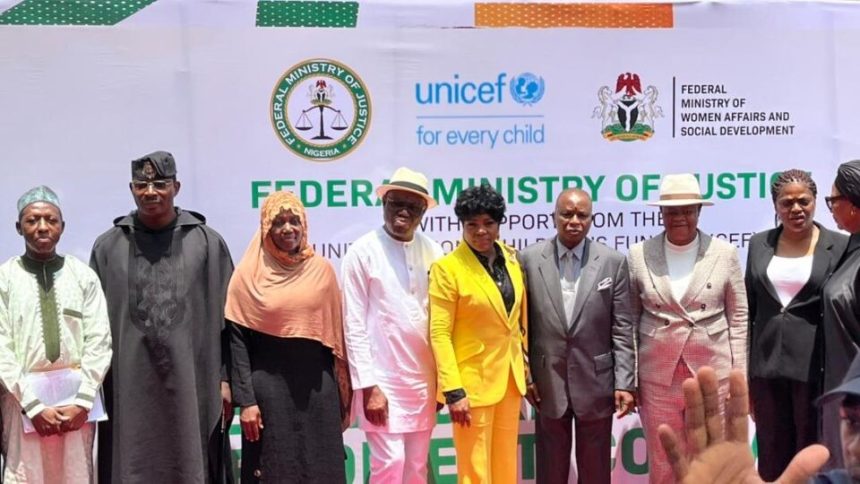
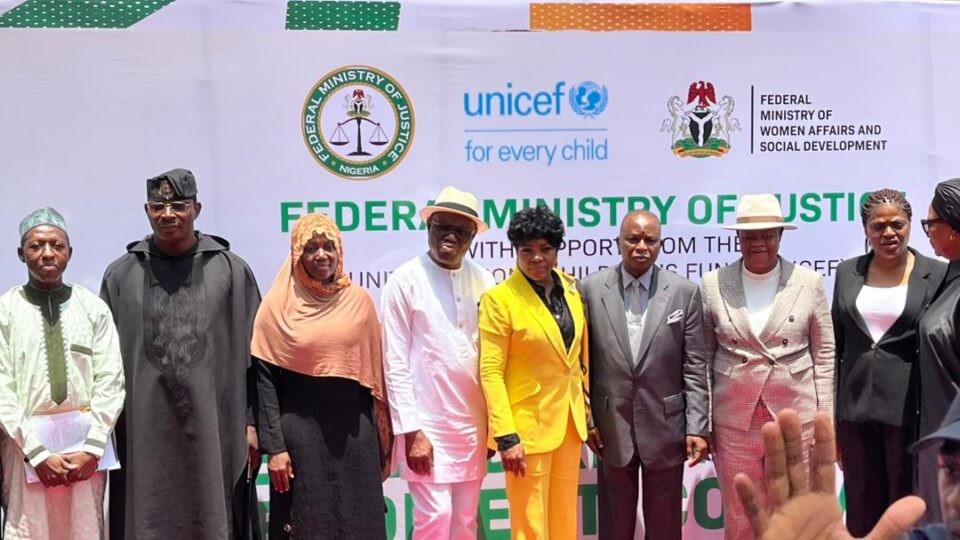
Eko Hot Blog gathered that the Attorney-General of the Federation and Minister of Justice, Lateef Fagbemi, made this known in Abuja during the inauguration of a committee set up to review the legislation.
EDITOR’S PICK
- Lassa Fever Hits Oyo, Government Activates Emergency Response
- Bruno Fernandes Reveals Why He Rejected Huge Al Hilal Move
- FG Defends Borrowing Strategy
He noted that although the law was a landmark when introduced, it no longer reflects current realities affecting Nigerian children.
Fagbemi explained that while the Act helped align Nigeria with international child protection standards, evolving challenges have exposed significant gaps that now require urgent reforms. He stressed that protecting children remains essential to national development.
He pointed out that modern threats such as online exploitation, cyberbullying, sextortion, and the recruitment of minors by criminal and extremist groups were not anticipated when the law was enacted more than two decades ago.
According to him, the review will go beyond minor adjustments and could lead to a complete overhaul of the law to make it more effective and responsive.
The minister outlined key areas for consideration, including safeguarding children’s rights to life and dignity, ending harmful traditional practices, strengthening protections for girls, reforming adoption processes to prevent abuse, and improving responses to sexual and gender-based violence.
He also emphasised the need to strengthen Family Courts and ensure consistency across states in defining a child and determining the age of criminal responsibility. He called for stronger legal backing to guarantee uniform implementation nationwide.
Fagbemi urged state governments and legislatures to support the reform process, noting that uneven adoption and enforcement of the law have weakened its impact.
The review committee is chaired by Eberechi Suzzette Nyesom-Wike, who said the exercise is necessary due to ongoing gaps in the current legal framework.
She noted that inconsistent enforcement across states has left many children vulnerable despite existing laws.
She also highlighted legal contradictions that continue to fuel issues such as child marriage in some regions.
Providing data, she revealed that reported child abuse cases rose significantly in recent years, while conviction rates remain low.
She added that millions of Nigerian children are still out of school, pointing to broader challenges in child welfare.
Nyesom-Wike urged the committee to deliver reforms that are practical and enforceable, stressing that the task ahead involves addressing both legal and institutional shortcomings.
FURTHER READING