- Don’t Focus Only on Me, Probe States and LGs Too, Tinubu Tells Media
- Tinubu said increased allocations to states and local governments had been made possible through improved revenue collection
- The President emphasised that he does not regard critics as enemies but rather as contributors to national development
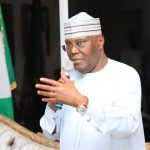
President Bola Ahmed Tinubu has urged media executives in Nigeria to extend the same level of scrutiny applied to the Federal Government to state and local governments, which he said now enjoy greater financial autonomy.
Eko Hot Blog reports on the President made the appeal on Friday night while hosting media proprietors and executives at the Aso Rock Presidential Villa in Abuja.
EDITOR’S PICK
- Ogun Begins Crackdown on Illegal Parks at Sango Border Over Rising Accidents
- Police Nab 30-Year-Old ‘Super M’ During Stop-and-Search in Lagos
- LASG Launches Investigation Into Cosmetic Surgery Death
Tinubu said recent reforms had strengthened the principle of federalism by allowing local governments to receive their allocations directly, stressing that the media should also monitor how those funds are utilised.
“We have opened up the principle of federalism to the extent that local governments are now getting their money. But how they use it is in your hands, so do not bombard me alone. Look at the local governments too and equally the sub-national governments,” he said.
The President also stated that no state government in the country is currently borrowing money to pay workers’ salaries, attributing the development to economic reforms implemented by his administration.
“Today, there is no state borrowing to pay salaries of employees. Yes, we can complain that it is not enough and that we are not where we should be, but we must manage what we have to sustain today, survive tomorrow and make progress,” he added.
In the past, several of Nigeria’s 36 states relied on federal bailouts and loans to meet wage obligations, particularly during periods of low oil revenue and economic downturns.
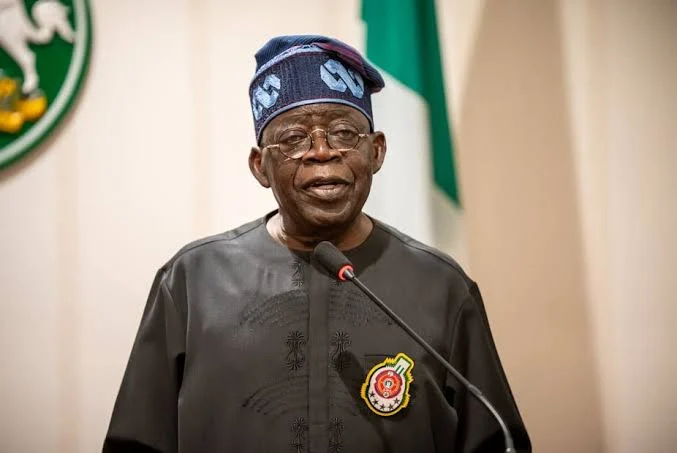
Tinubu said increased allocations to states and local governments had been made possible through improved revenue collection by the Federal Inland Revenue Service, now renamed the National Revenue Service, higher crude oil production, and the direct payment of local government allocations following the Supreme Court ruling on local government autonomy in Nigeria.
The President thanked media proprietors for their criticism, noting that their commentary had pushed him to perform better since assuming office.
“If I look at the barrage of negative comments instead of the positive aspects of the assignment, I should not be standing here today. You did not spare me, but you challenged me and provoked the intellectual curiosity of a leader that must perform,” he said.
Tinubu also revealed that reading newspapers every morning had become a daily habit for him.
“There is no morning that I leave my house without going through newspapers. It is an addiction. I read all of you, maybe not in full detail, but the headlines and the ones that catch my attention,” he said.
The President admitted that he was initially stubborn at the start of his administration due to intense criticism from newspapers and opinion leaders.
However, he defended key decisions taken by his government, particularly the removal of petrol subsidy in May 2023, which sparked nationwide debate.
According to him, the decision was necessary to prevent the country from sliding into economic collapse.
“The responsibility of leadership is to take decisions when they must be taken. At that time, we had to confront the subsidy. Nigeria was approaching bankruptcy,” Tinubu said.
He added that the country had since stabilised economically, citing improvements in foreign exchange management and efforts to control inflation.
The President emphasised that he does not regard critics as enemies but rather as contributors to national development.
“We all want the best for this country. No matter how critical the opinion is, they want the goodness of the country,” he noted.
Tinubu also acknowledged the difficult operating environment for media organisations, particularly regarding funding challenges and the impact of global economic developments.
He revealed that issues relating to tariffs affecting the media industry had been discussed earlier in the day and assured media executives that he would review the matter.
Friday’s Iftar dinner, which marked the final one for the 2026 Ramadan season, was attended by media executives from across print, broadcast and digital platforms.
FURTHER READING
- Soldiers Recover Weapons After Repelling Attack in Ngoshe
- Nigeria Now in Stronger Position to Navigate Global Crisis – Olayemi Cardoso
- Tinubu Seeks Deeper Nigeria–UNDP Collaboration on Development Goals
Click here to watch video of the week