- Chidoka Says Education Reforms More Important Than Roads, Airports
- Backs Data-Driven Reforms
- Raises Alarm Over NigerNigeria’s Out-of-School Children Crisis
Former Minister of Aviation, Osita Chidoka, has described the ongoing reforms in Nigeria’s education sector as one of the country’s most consequential national development efforts, stressing that education should take priority over physical infrastructure projects.
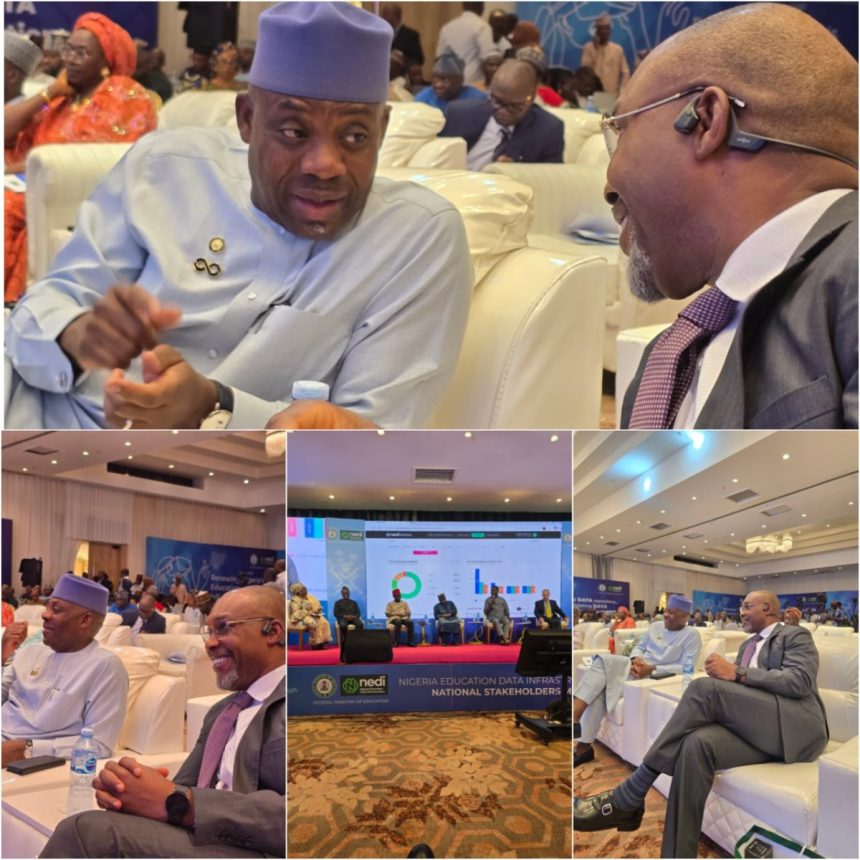
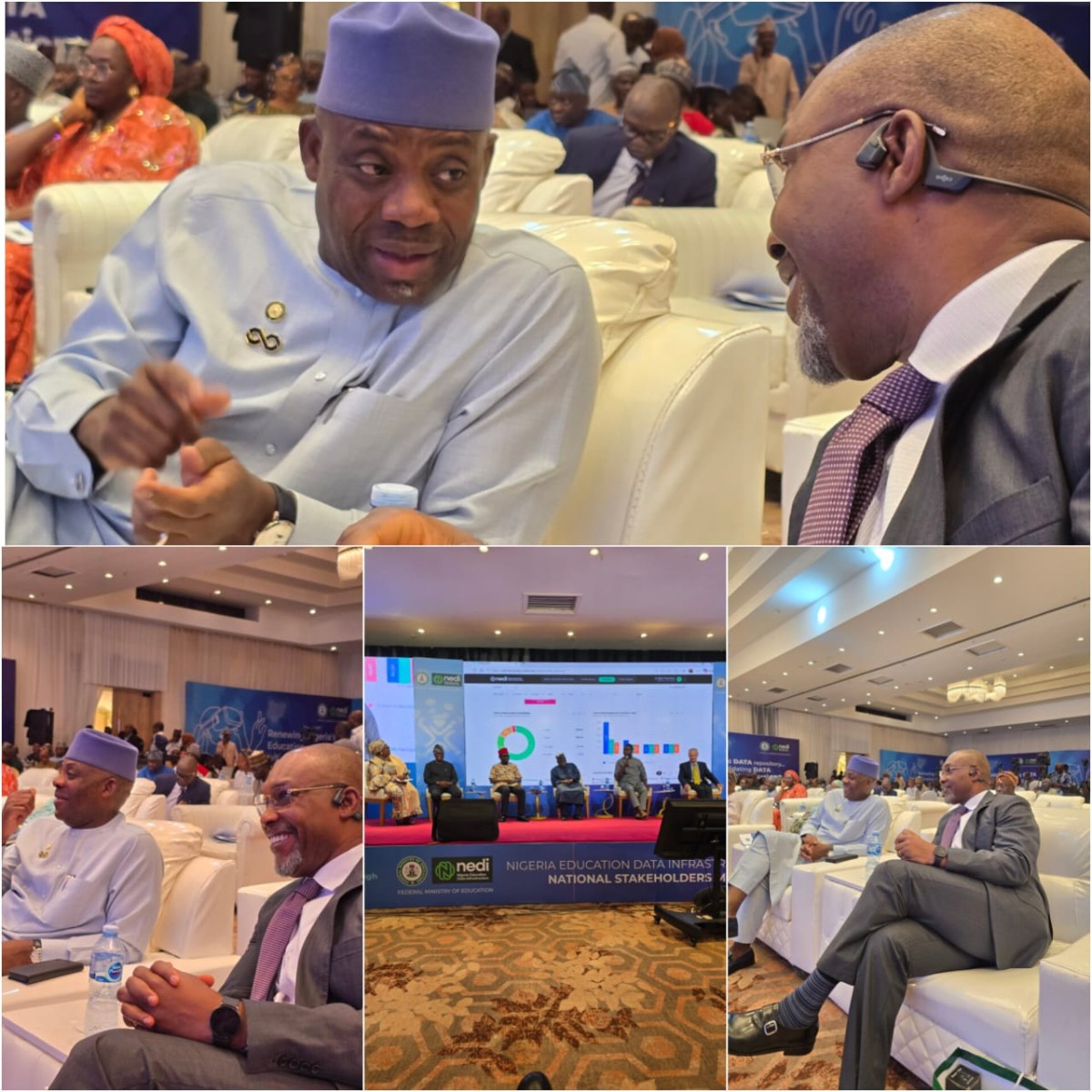
Eko Hot Blog reports that Chidoka stated this while reflecting on the recent National Stakeholders Meeting on the National Education Data Infrastructure led by the Minister of Education, Tunji Alausa.
EDITOR’S PICK
- Fresh Details Emerge on Death of Odomola Monarch, Oba Adebowale Adeshina
- Sanwo-Olu Applauds LASU’s Academic Excellence After JAMB Ranking
- NRC Moves 176,820 Tonnes Of Cargo Through Lagos Ports In Q1
According to him, roads, airports and buildings can still be constructed in the future, but children pushed out of school due to policy failures may never regain the opportunity for education.
“Every year, one of Nigeria’s roughly 15 million out-of-school children loses a narrow window that may never reopen,” he said.
He described the Nigeria Education Management Information System as a major breakthrough capable of transforming educational planning and policy implementation across the country.
The system, developed by Ernst & Young, provides detailed nationwide data on school enrolment, infrastructure, student-teacher ratios and other education indicators.
Chidoka said the availability of comprehensive and easy-to-understand data would help policymakers make more informed decisions while exposing critical gaps within the education sector.
He noted that one of the most disturbing discoveries from the data was the significant drop between primary school enrolment and junior secondary school enrolment.
“The drop is so wide that I found myself asking the obvious question: what happened to those children?” he said.
He also pointed to the growing number of repeat candidates in the Joint Admissions and Matriculation Board examinations, describing it as evidence of a major admission bottleneck within Nigeria’s tertiary education system.
According to him, the data helped him better understand ongoing policy directions by the Federal Ministry of Education aimed at easing admission challenges.
Chidoka further commended efforts by the Nigeria Research and Education Network, NgREN, to improve digital connectivity across tertiary institutions.
He disclosed that the network plans to extend similar digital infrastructure to secondary schools by 2027.
The former minister said the growing use of evidence and real-time data in governance represents a positive shift for the education sector and expressed hope that similar reforms would eventually spread to other sectors of government.