EDITOR’S PICK
- How Lagos Achieved 57.4% Exclusive Breastfeeding Rate
- Shaibu Lists Nigeria’s Biggest Security Challenges
- Vote, Protect Your Mandate, Governor Adeleke Urges Residents Ahead of August 15 Polls.
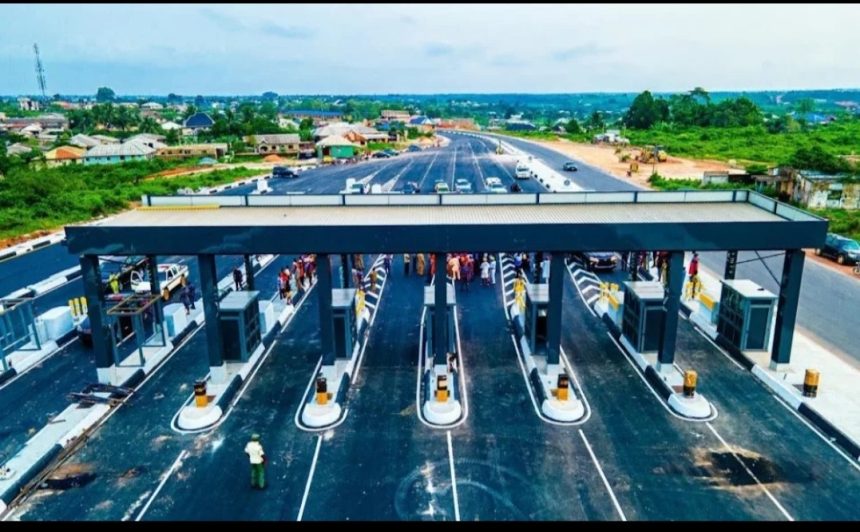
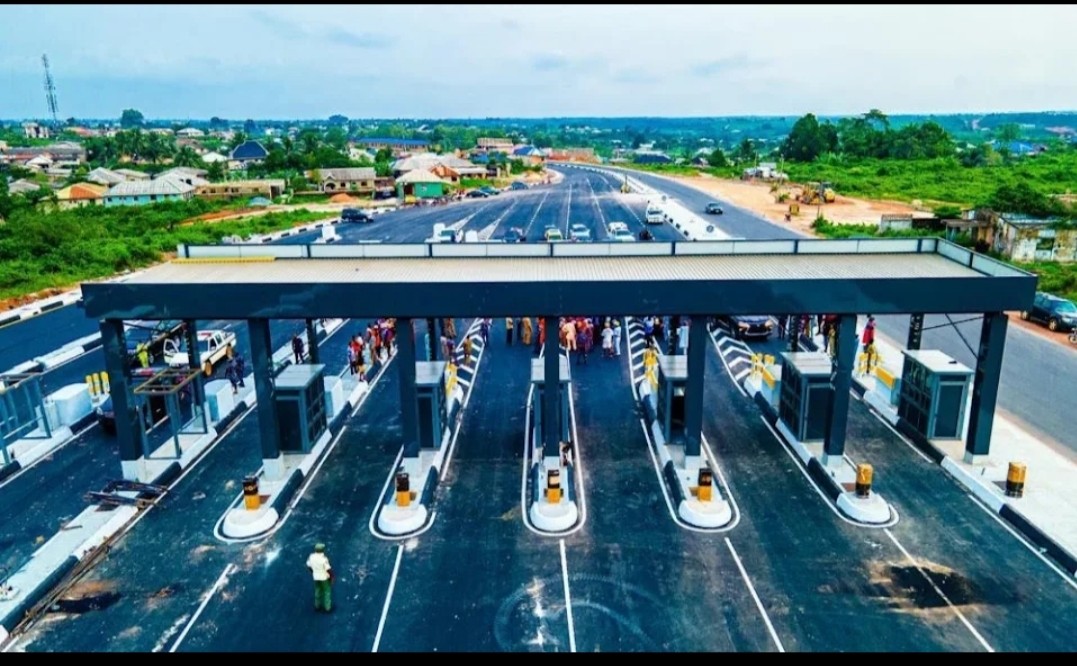
Under the new rates, motorists are reportedly paying ₦1,100 for jeeps/SUVs and ₦600 for cars, with increases also affecting other categories of vehicles.
For many road users, the latest adjustment is coming at a difficult time. With the cost of fuel, transportation, food and other basic needs already putting pressure on household incomes, motorists say another increase in toll charges will only add to the burden.
The Epe–Ijebu-Ode road is not just a route connecting two towns. It is a lifeline for several communities along the corridor. People use it every day to travel to work, schools, markets, hospitals, businesses and to attend to family responsibilities.
As a result, an increase in toll charges does not stop with the person who pays at the toll gate. It can eventually affect transport fares, the cost of moving goods and the prices of commodities in neighbouring communities.
One recent experience shared by a motorist highlights some of the frustrations road users face.
According to the man, he was driving towards Itawo when he received a call from a family member asking him to return to Mojoda to pick them up. He had already passed through the toll gate, but because of the unexpected request, he turned back.
What happened next left him frustrated.
He said he had paid the toll less than five minutes earlier. Yet, when he returned to the toll gate, he was asked to pay another ₦1,100.
The motorist reportedly explained that he had only just made the payment and had turned back because of an unexpected family situation. Despite his explanation, he was still required to make another payment.
For someone travelling a long distance, another toll payment may seem relatively manageable. But for people living within the communities around the corridor, who may need to make short trips, turn back unexpectedly or respond to emergencies, situations like this can become a serious financial burden.
It also raises a question that deserves attention: Should a motorist who has paid a toll just a few minutes earlier be required to pay the full amount again because an unexpected situation forced them to turn back?
Perhaps there is room for a more flexible system that can accommodate genuine circumstances without compromising the purpose of toll collection.
The concerns over the toll increase are not limited to drivers.
Residents of communities along the Epe–Ijebu-Ode axis are already dealing with rising transportation costs and the general increase in the cost of living. Any additional expense faced by transport operators can eventually find its way into the fares paid by passengers.
A driver has to consider the cost of fuel, vehicle maintenance, repairs and tolls when running a vehicle. Commercial operators may therefore be forced to increase fares to remain in business.
Traders and suppliers are also affected. When the cost of transporting goods increases, the extra expense may eventually be reflected in the prices consumers pay.
In other words, the impact of a toll increase can travel far beyond the toll gate itself.
For families already struggling to stretch their income, even a seemingly small increase can matter. A daily trip to work, school, the market, hospital or another community can become more expensive, particularly for people who make frequent journeys along the corridor.
The latest development also brings back an earlier appeal by Oba Babatunde Ogunlaja, the Aladeshoyin of Odo-Noforija Kingdom, who had called on the Ogun and Lagos State governments to consider the hardship being faced by residents and road users.
The traditional ruler had pleaded with the authorities to review the toll charges and reduce them to a more reasonable level—one that would allow the relevant authorities to generate revenue while also taking into consideration the financial realities of the people.
There is no doubt that roads require maintenance and that funding is needed to keep major infrastructure functioning. But road users also have to be considered. The challenge is finding a balance between generating revenue and ensuring that the cost of using the road does not become too heavy for the people.
Beyond the amount being charged, the toll collection system itself may also need to be reviewed to accommodate genuine emergencies.
Technology could provide part of the solution. For instance, a system could recognise vehicles that have made a toll payment only minutes earlier, particularly where a motorist has had to turn back because of an emergency or an unforeseen family situation.
Clear rules could be put in place to prevent people from abusing such a system while still giving room for genuine cases.
There could also be consideration for residents who frequently make short-distance trips within the corridor and commercial operators whose businesses depend heavily on the road.
The argument is not necessarily that toll collection should be stopped. If the revenue is needed for road maintenance and development, then motorists understand that there must be a cost attached to using the facility.
The concern is whether that cost is reasonable and sustainable for the people who use the road every day.
The latest increase comes at a time when Nigerians are already facing significant economic pressure. Rising transport fares, fuel costs, food prices and other household expenses are making everyday life more difficult for many families.
For communities along the Epe–Ijebu-Ode corridor, these are not just economic statistics. They are realities that affect how people travel, work, do business and provide for their families.
The concerns being raised by motorists, residents, transport operators and traditional leaders therefore deserve serious attention.
A road is meant to connect people and communities and make movement easier. Its cost of use should not become another source of hardship for the very people who depend on it.
The latest increase should provide an opportunity for the relevant authorities to engage with stakeholders and review the toll structure.
A reasonable toll, transparent collection process and some flexibility for genuine emergencies could go a long way in easing tensions and restoring confidence among road users.
For residents and motorists along the Epe–Ijebu-Ode corridor, the appeal remains simple: listen to the people, review the charges and find a balance that supports road development without adding unnecessarily to the hardship already confronting the communities.
FURTHER READING
- Osun: APC Candidate, Oyebamiji Speaks After Losing To Adeleke
- Oba Ogunlaja Accepts NBA Epe Patronage, Pledges Support For Justice And Peace
- Abuja Flooding: Wike Visits Maitama, Inspects Drainage Channel