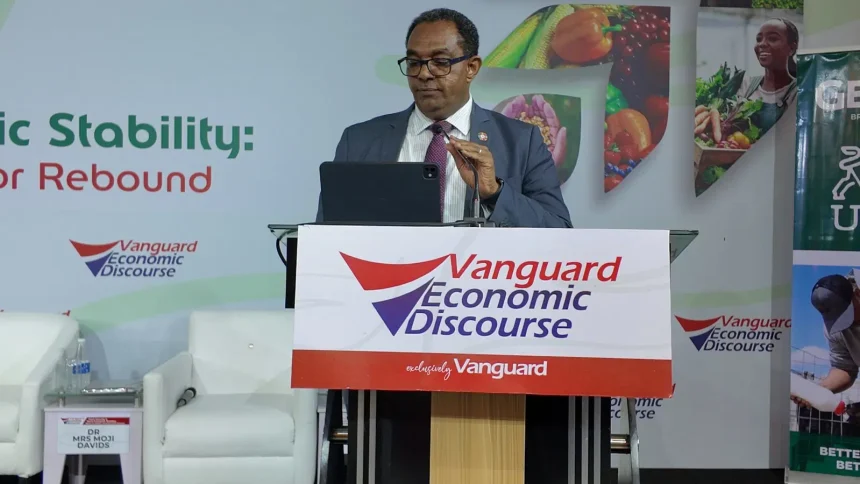
- He explained that disruptions in agriculture often have immediate consequences on livelihoods, nutrition, and overall stability
- According to him, more than 70 per cent of Nigerians depend on agriculture directly or indirectly
- He noted that Nigeria’s agricultural outlook presents both opportunity and urgency, given its vast natural resources
The Food and Agriculture Organization has raised concerns over the vulnerability of Nigeria’s food system, warning that a mix of insecurity, climate-related disruptions, and economic pressures is placing increasing strain on households despite the country’s strong agricultural potential.
Speaking at the Vanguard Economic Discourse: Food Security and Socioeconomic Stability in Lagos, Eko Hot Blog gathered that the organisation’s Country Representative, Hussein Gadain, said the impact of these challenges is already being felt across communities, contributing to rising poverty levels and social pressures.
EDITOR’S PICK
- Benue Mortician Arrested for Using Corpse Part as Walking Stick
- Baba Yusuf: Bandits May Reach National Assembly
- PDP Asks INEC To Withdraw Recognition Of Anyanwu As National Secretary
He explained that disruptions in agriculture often have immediate consequences on livelihoods, nutrition, and overall stability, affecting both rural and urban populations.
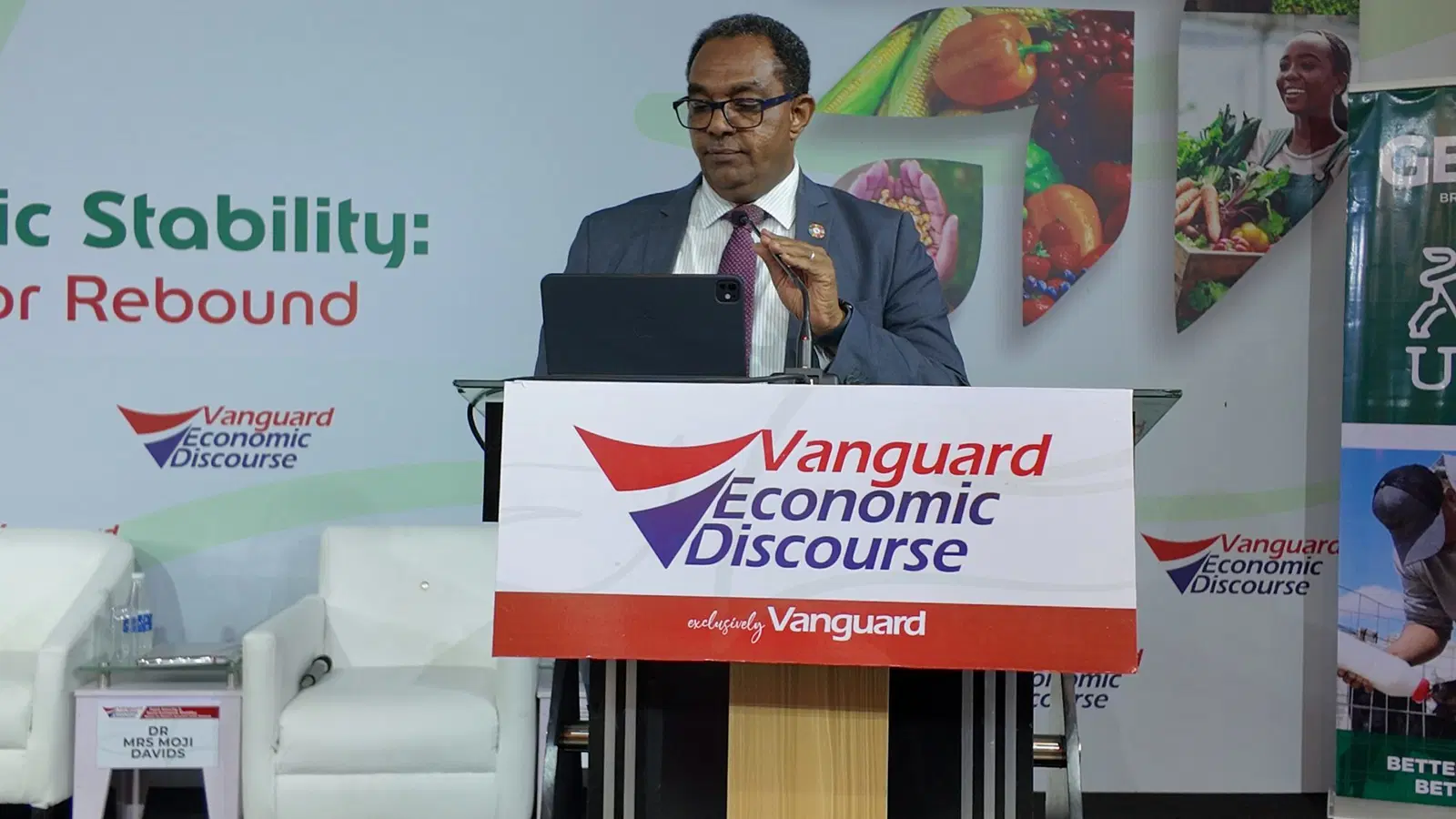
Gadain, however, stressed that agriculture remains a cornerstone of Nigeria’s economy, contributing about 23 per cent to the Gross Domestic Product while serving as a primary source of livelihood for a majority of the population.
According to him, more than 70 per cent of Nigerians depend on agriculture directly or indirectly, with an estimated 40 million households engaged in farming and related activities.
He noted that Nigeria’s agricultural outlook presents both opportunity and urgency, given its vast natural resources.
The country has about 92 million hectares of land, including nearly 70 million hectares suitable for agriculture and about 36 million hectares classified as arable land.
Despite this, he warned that rapid population growth, estimated at about 2.1 per cent annually, is increasing pressure on food supply, employment, and available resources.
He further identified insecurity in farming communities, high input costs, and disruptions in global supply chains as key factors limiting agricultural productivity, particularly for smallholder farmers.
Gadain also highlighted Nigeria’s agricultural trade imbalance, describing it as a major weakness in the food system.
He noted that between 2016 and 2019, the country spent significantly more on agricultural imports than it earned from exports, reflecting gaps in local production and value addition.
While export commodities such as sesame, cashew, and cocoa continue to perform, he pointed out that Nigeria still relies heavily on imports of staple foods like wheat.
Despite these challenges, he maintained that Nigeria’s production capacity remains substantial. He cited recent output figures, including over 17 million metric tonnes of maize and about 30 million metric tonnes of rice within a production cycle, while also noting that the country ranks among the world’s leading producers of cassava and yam.
He said these figures demonstrate the scale of opportunity available if productivity is improved and value chains are strengthened.
Gadain added that experiences from FAO-supported programmes across various states show that targeted investments can deliver significant improvements within a short period.
He emphasised that unlocking the full potential of Nigeria’s agricultural sector would require sustained efforts to address structural challenges and improve efficiency across the value chain.
FURTHER READING