- Maiha added that the Federal Government is ready to collaborate with states and private investors
- He stressed that the newly approved regulations classify open grazing as a capital offence
- Maiha said the government could no longer look away as deadly confrontations linked to open grazing
The Federal Government has introduced a sweeping ban on open grazing as part of fresh measures aimed at ending the persistent clashes between herders and farming communities nationwide.
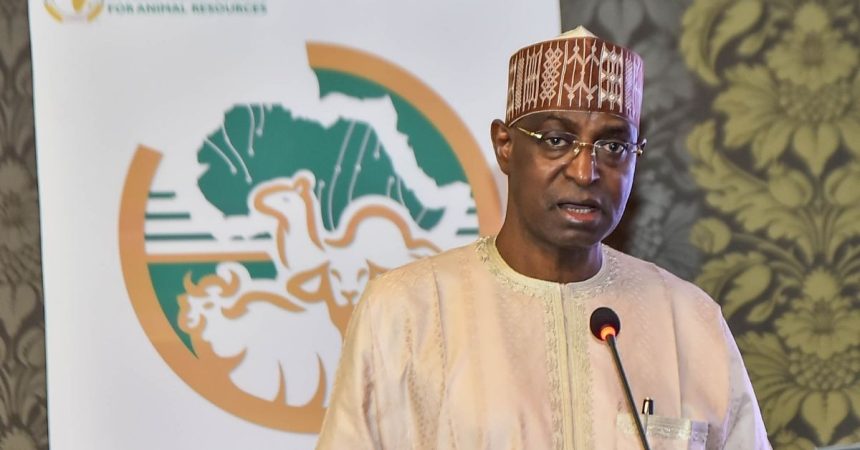
Eko Hot Blog reports that the policy was formally announced on Tuesday by the Minister of Livestock Development, Alhaji Mukhtar Maiha, during the inauguration of the maiden National Council on Livestock Development in Yola, Adamawa State.
EDITOR’S PICK
- Kasali Convenes Security Stakeholders in Lekki LCDA, Calls for Stronger Community Vigilance
- Sanwo-Olu Presents ₦4.2trn Lagos 2026 Budget
- Nigeria Strengthens Technical Education Collaboration with University of Doha
Maiha said the government could no longer look away as deadly confrontations linked to open grazing continue to destabilise communities, destroy farmlands, and trigger endless cycles of violence.
According to him, the pattern of attacks and reprisals has evolved into a major national security challenge requiring urgent overhaul of the livestock system.
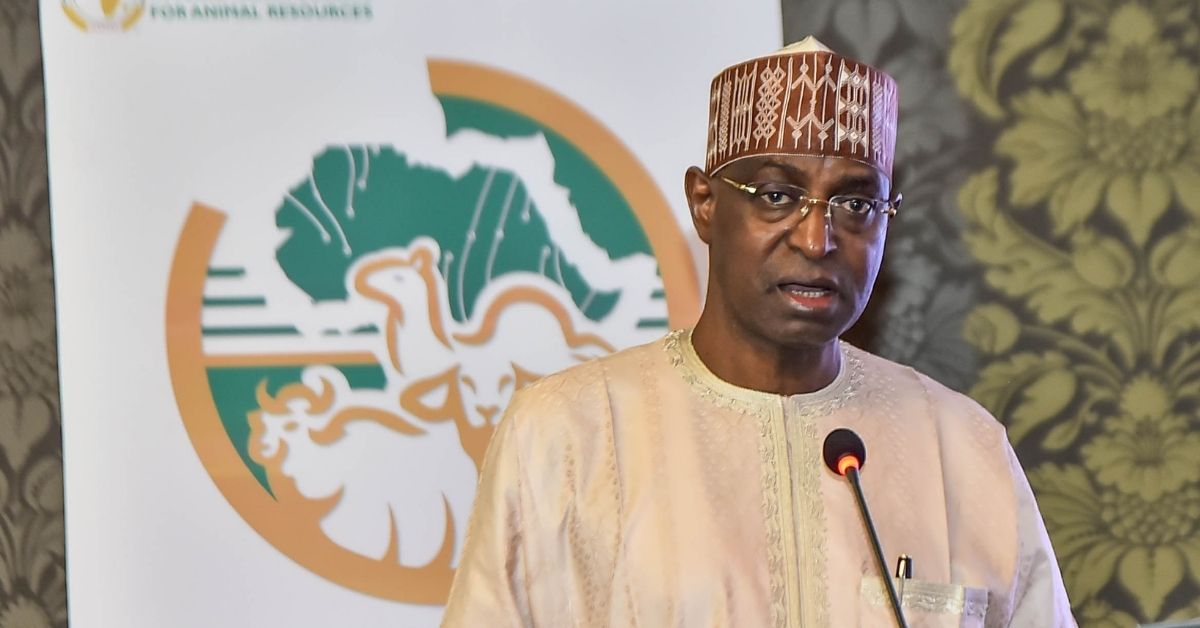
He stressed that the newly approved regulations classify open grazing as a capital offence, urging herders to transition fully to ranching. Maiha noted that adopting ranching would promote peace, boost productivity, and create economic value for herders and their host communities.
The minister also outlined the administration’s broader plan to reposition livestock as Nigeria’s next major revenue generator after oil and gas. He projected that with ongoing reforms, the sector could contribute as much as $74 billion within the next five years.
Maiha added that the Federal Government is ready to collaborate with states and private investors willing to embrace the new model.
Adamawa State Deputy Governor, Professor Kaletapwa Farauta, applauded the decision to hold the historic council meeting in Yola, noting that the state remains a major hub for livestock activities.
She said effective implementation of the new policy could help restore stability to rural areas affected by years of conflict.
The newly formed National Council on Livestock Development, comprising directors of livestock services from all 36 states and the FCT, will coordinate the implementation of ranching policies, enforce compliance, and drive modernisation efforts across the sector.
FURTHER READING