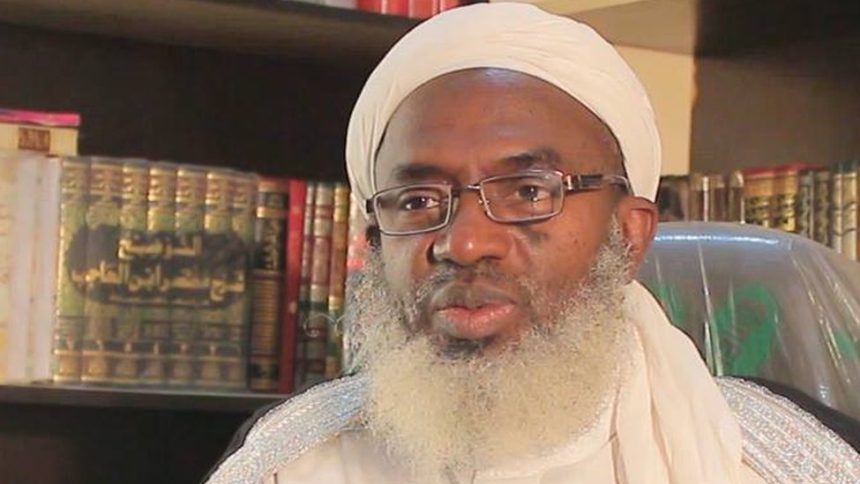
- Gumi accused the IPOB leader of inciting violence against Nigerian troops
- Gumi also argued that a strictly military approach cannot resolve Nigeria’s current security challenges
- he claimed Fulani groups have repeatedly indicated willingness to dialogue
Fresh reactions have trailed the ongoing detention of IPOB leader, Nnamdi Kanu, as Islamic cleric Sheikh Ahmad Gumi declares he is willing to advocate for Kanu’s release but only on strict conditions.
Eko Hot Blog reports that Gumi stated this during Tuesday’s edition of Channels Television’s The Morning Brief, where he insisted that Kanu must show remorse before any negotiation or appeal for amnesty can be considered.
EDITOR’S PICK
- Kasali Convenes Security Stakeholders in Lekki LCDA, Calls for Stronger Community Vigilance
- Sanwo-Olu Presents ₦4.2trn Lagos 2026 Budget
- Nigeria Strengthens Technical Education Collaboration with University of Doha
The cleric defended his call for non-kinetic solutions to rising insecurity, arguing that dialogue remains a proven method for resolving long-standing insurgencies and regional agitations.
Kanu was recently convicted on seven counts of terrorism-related charges and handed a life sentence alongside a 20-year jail term to run concurrently. He has now been transferred from DSS custody to the correctional facility in Sokoto.
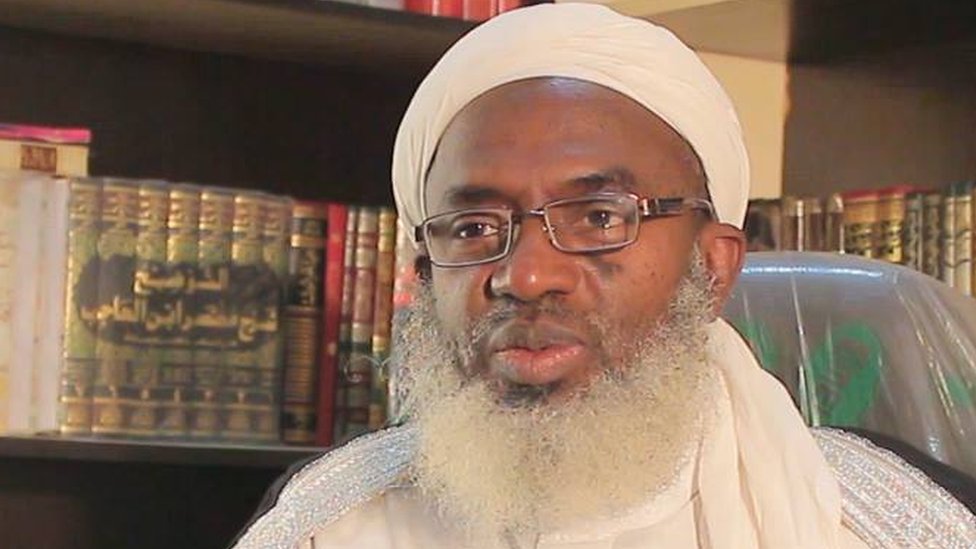
Reacting to the judgment, Gumi accused the IPOB leader of inciting violence against Nigerian troops, insisting that remorse and a commitment to peace must precede any plea for pardon.
He referenced past gestures of reconciliation—such as amnesty granted to Ojukwu and the Niger Delta militants—as examples of the North’s willingness to promote unity when agitators choose peace over confrontation.
Gumi also argued that a strictly military approach cannot resolve Nigeria’s current security challenges, citing global examples like Afghanistan and Gaza to emphasize the limitations of kinetic force.
Speaking further on the activities of armed herders, he claimed Fulani groups have repeatedly indicated willingness to dialogue, adding that many of them arrive with arms for protection, not aggression.
He questioned whether IPOB or Boko Haram would respond similarly to peace calls, stressing that he supports any individual or group willing to embrace dialogue.
FURTHER READING