- The measures are designed to curb exploitative and inconsistent tax practices
- the reforms represent a shift toward the practical application of long-standing policy objectives
- the new framework is designed to address these weaknesses through a more organised system
The Federal Government has rolled out a new presumptive tax framework aimed at operators in the informal sector, while prohibiting cash-based tax collections and roadside enforcement by revenue officials.
Eko Hot Blog reports that the move is part of ongoing efforts to harmonise and modernise tax administration nationwide.
EDITOR’S PICK
- Nigeria Awaits FIFA Verdict On DR Congo Player Eligibility Dispute
- Trump Says Diplomacy Is “Much Easier” Now After Decapitating Strikes on Iran
- Senate Targets 2026 for State Police Amendment
The announcement was made on Tuesday in Abuja during the signing of new regulations to support recently enacted tax laws.
Olusegun Adesokan, Executive Secretary of the Joint Revenue Board (JRB), said the measures are designed to curb exploitative and inconsistent tax practices often linked to subnational revenue collection.
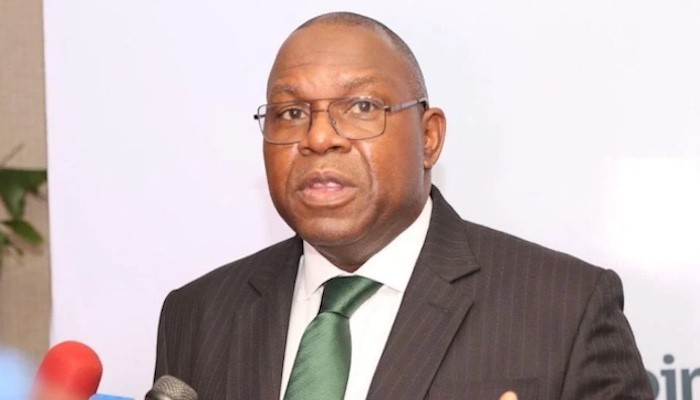
Adesokan stated that the new rules outlaw all forms of cash tax payments and ban the setting up of roadblocks for tax enforcement.
He explained that the reforms are intended to promote transparency, fairness, and accountability, particularly for small-scale and informal businesses.
Under the new structure, nano and small enterprises with annual turnovers of N12 million or less will not be subject to the presumptive tax. Other informal businesses will pay a levy equivalent to one percent of their annual turnover.
The framework also encourages the adoption of digital payment systems and seeks to integrate informal operators into a unified tax identification platform.
Minister of Finance and Coordinating Minister of the Economy, Wale Edun, described the development as a transition from policy design to practical implementation of tax reforms.
He said the goal is to widen the tax net rather than increase tax rates, ensuring that more individuals and businesses contribute fairly.
Edun noted that the initiative was developed in partnership with the Joint Revenue Board to guarantee cooperation across federal, state, and local governments.
He added that oversight measures, including monitoring systems and an ombudsman mechanism, will help ensure compliance and protect taxpayers.
Joseph Tegbe, Chairman of the National Tax Policy Implementation Committee, said the reforms represent a shift toward the practical application of long-standing policy objectives.
He observed that while the informal sector accounts for more than 80 percent of Nigeria’s workforce, its contribution to government revenue remains limited due to structural gaps.
According to him, the new framework is designed to address these weaknesses through a more organised and transparent system.
FURTHER READING