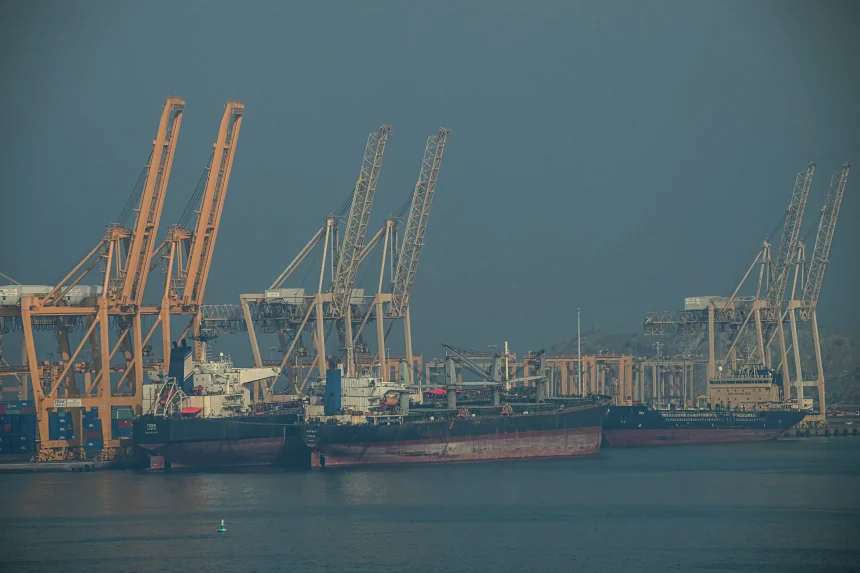
From Africa to Europe and Asia, the impact is already unfolding. Cooking oil is becoming costlier, bread prices are inching upward, and transport fares are rising. What feels like a distant war is now sitting on kitchen tables. This is because today’s conflicts do not stay on the battlefield. They move through global systems, hitting the most vulnerable first.
EDITOR’S PICK
- G7 Meets in France Amid Middle East Tensions
- Epe in Focus: Tinubu to Announce Lagos APC Consensus Governorship Candidate Monday
- Bisola Badmus Rallies Support for Biola Bayo Following Heated Baba Ijesha Interview Backlash
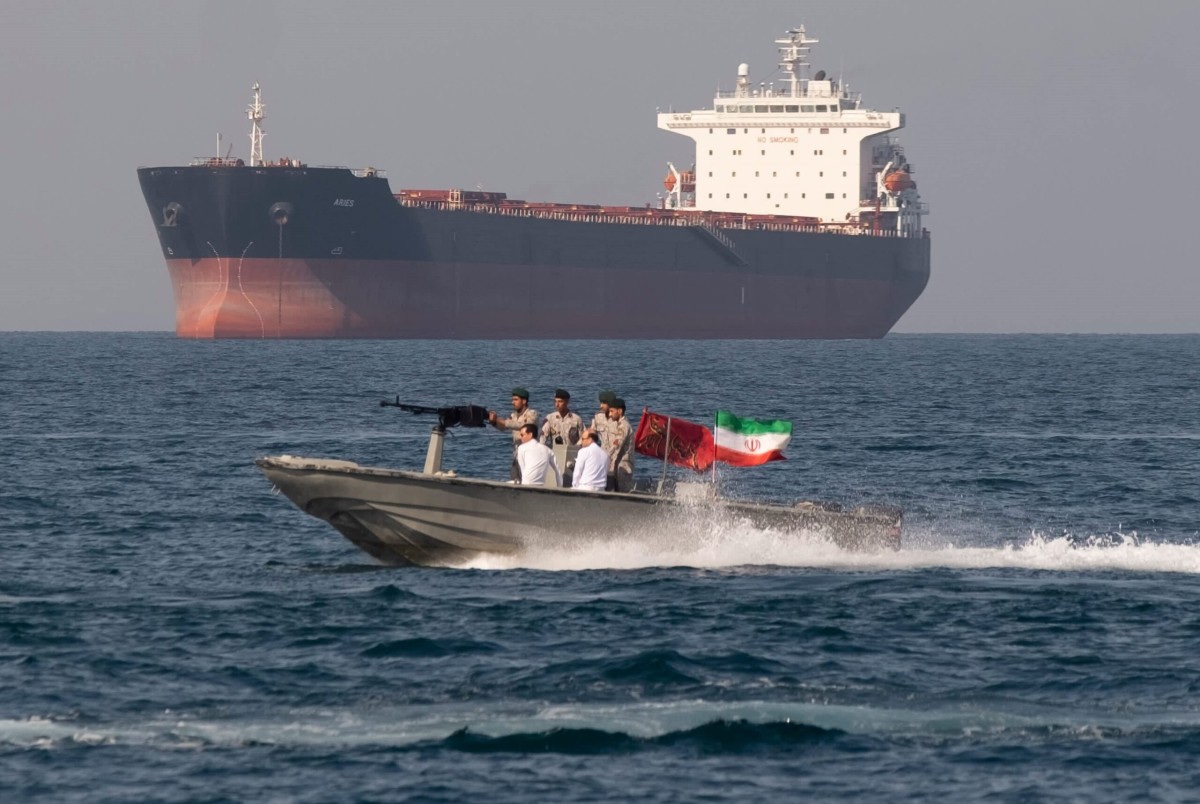
At the heart of the problem is energy. The Gulf region, a key supplier of global oil, has been destabilised, sending crude prices soaring beyond $100 per barrel. Once fuel prices rise, everything else follows. Farmers spend more to grow food, manufacturers pay more to process it, and transporters charge more to move it. In the end, it is the ordinary citizen who absorbs the shock.
At the same time, fertiliser supplies are tightening. This may sound technical, but its consequences are very real. Fertiliser is essential for growing crops, and much of it comes from the same region now affected by conflict. As prices climb, many farmers, especially in poorer countries, are forced to cut back. The result is simple: lower harvests, less food, and even higher prices in the near future.
The Burden on the Poor
For millions of people in developing countries, this crisis is hitting hardest. In nations where families already spend a large share of their income on food, even a small increase can push them into hardship. This is what experts call imported inflation, when global crises directly raise the cost of living at home.
Countries across Africa and South Asia are particularly exposed. With limited local production and heavy reliance on imports, they have little protection against global price shocks. The result is growing food insecurity, rising poverty, and increased pressure on already fragile economies.
Even in wealthier nations, the strain is becoming visible. Supermarkets may delay passing on the full cost, but eventually, consumers feel it. Gradually, everyday items become less affordable, and living standards begin to slip.
A Warning the World Cannot Ignore
This is not just about economics. It is about justice and responsibility. A war fought in one region should not translate into hunger and hardship for millions elsewhere. Yet that is exactly what is happening.
The longer the conflict continues, the deeper the damage will be. Supply chains will remain unstable, food systems will weaken, and global inequality will widen. Economists are already warning of a dangerous mix of rising prices and slowing growth, a situation that could trigger broader economic instability.
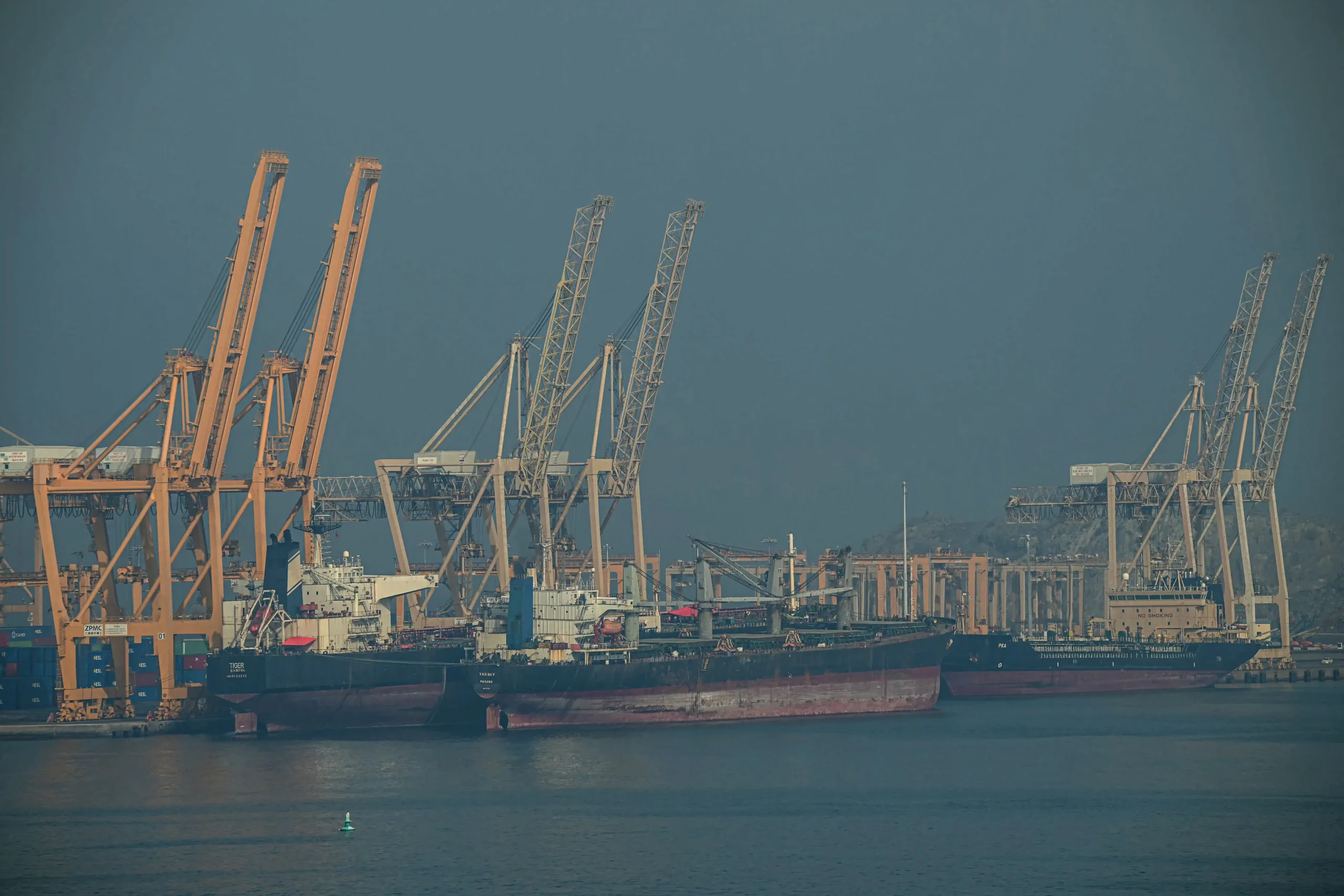
What makes this crisis more dangerous is its slow pace. It is not a sudden shock but a steady squeeze. By the time the full impact is felt, it may already be too late for many families struggling to cope.
The message is clear: global conflicts now carry global consequences. If urgent steps are not taken to stabilise energy markets, protect food systems, and support vulnerable populations, the cost will not just be measured in dollars but in human lives and livelihoods.
FURTHER READING