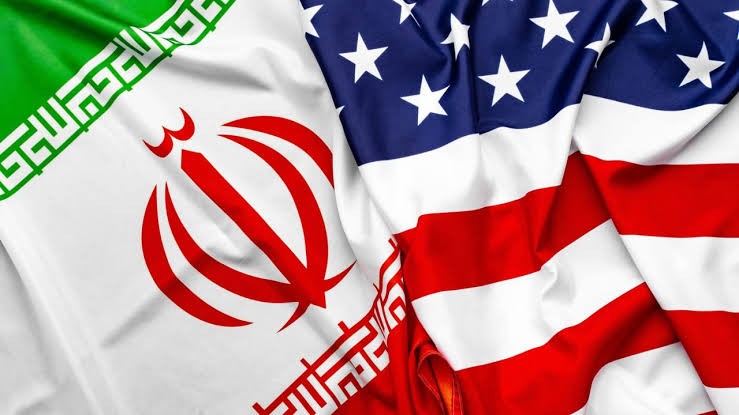
What began as a political fallout in 1979 has grown into a cycle of distrust, confrontation, and missed opportunities for peace.
Today, as both nations sit across the table once again, the world is watching and asking a simple question: how long will this cycle continue?
EDITOR’S PICK
- Interior Ministry Orders Immediate Deactivation of Passports for Former Citizens
- Iran Sets Conditions as US Warns Ahead of Talks
- 7 Things People Over 50 Should Do Every Morning for Better Health
The roots of this crisis trace back to the Iranian Revolution, which removed Mohammad Reza Pahlavi and replaced him with a new Islamic government that rejected Western influence.
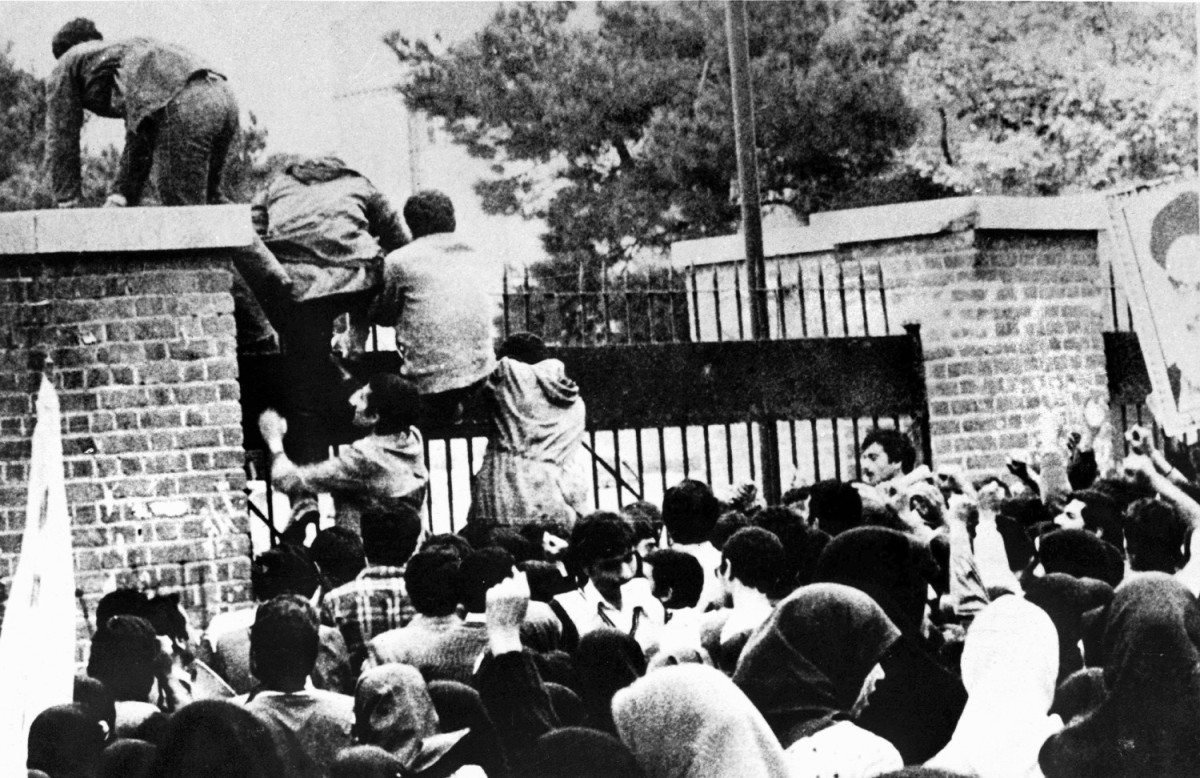
Soon after, the Iran hostage crisis turned tensions into open hostility when American diplomats were held in Tehran for 444 days. That moment did not just break diplomatic ties; it built a wall of suspicion that has stood for decades.
Since then, both nations have continued to view each other through the lens of fear and power. The United States imposed sanctions that have hurt Iran’s economy, while Iran pushed back by strengthening its regional influence.
At the center of this struggle lies the nuclear question. While Iran insists its nuclear programme is peaceful, the United States has remained unconvinced, using this concern to justify pressure and isolation.
There was a brief moment of hope in 2015 when a nuclear agreement was reached. It showed that dialogue was possible, that compromise could exist even between long-time rivals.
Yet that hope was cut short in 2018 when Donald Trump withdrew from the deal. With that single decision, years of careful diplomacy were undone, and tensions quickly returned.
A Call for Courage and a Different Path
What followed was not just disagreement, but escalation. In 2020, the killing of Iranian general Qasem Soleimani pushed both nations closer to direct conflict.
The situation continued to worsen until it finally erupted into a wider war involving other players in the region. By 2025, military strikes on Iranian nuclear sites signaled that the conflict had entered a dangerous new phase.
Then came a turning point that shook the region to its core. In early 2026, Iran’s Supreme Leader, Ali Khamenei, was killed in coordinated attacks. The response from Iran was swift and powerful.
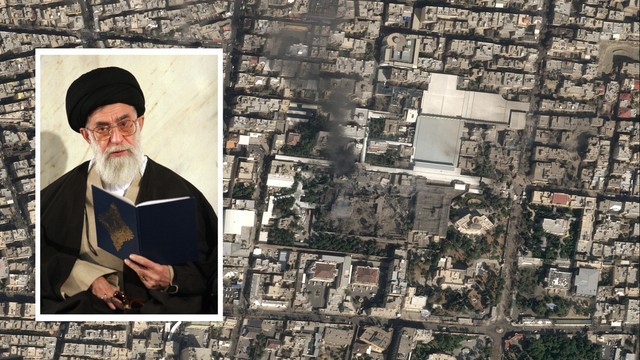
Missiles were launched, and control over the Strait of Hormuz was tightened, sending shockwaves through global markets. Oil prices surged, economies struggled, and ordinary people across the world felt the impact of a conflict they did not create.
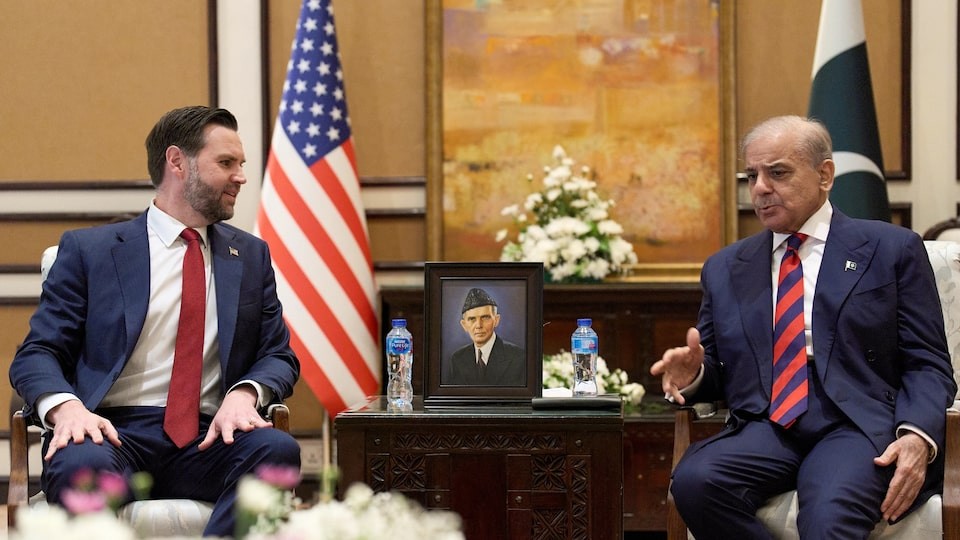
Now, after weeks of destruction and loss, both sides have agreed to a fragile ceasefire. Talks in Islamabad, hosted by Pakistan, have brought leaders together once again.
The United States delegation, led by Vice President JD Vance, met with Iran’s team, headed by Mohammad Bagher Ghalibaf. Yet even at the table, the same old mistrust remains.
The United States continues to demand firm guarantees on nuclear weapons, while Iran insists on the removal of sanctions and respect for its sovereignty.
These positions are not new, and that is exactly the problem. For decades, both sides have repeated the same demands without addressing the deeper issues that keep the conflict alive.
This is why this moment must not be wasted. The cost of failure is no longer limited to these two nations. It affects the entire region and the global community. Continued hostility will only lead to more destruction, more economic instability, and more suffering for ordinary people.
What is needed now is not just negotiation, but courage. Courage to move beyond old narratives. Courage to admit past mistakes. Courage to choose diplomacy over dominance. The long history between the United States and Iran cannot be erased, but it does not have to dictate the future.
As the ceasefire deadline approaches, the choice is clear. The path of conflict is familiar but costly, while the path of peace is difficult but necessary. The world is watching, and history will remember what happens next.
FURTHER READING