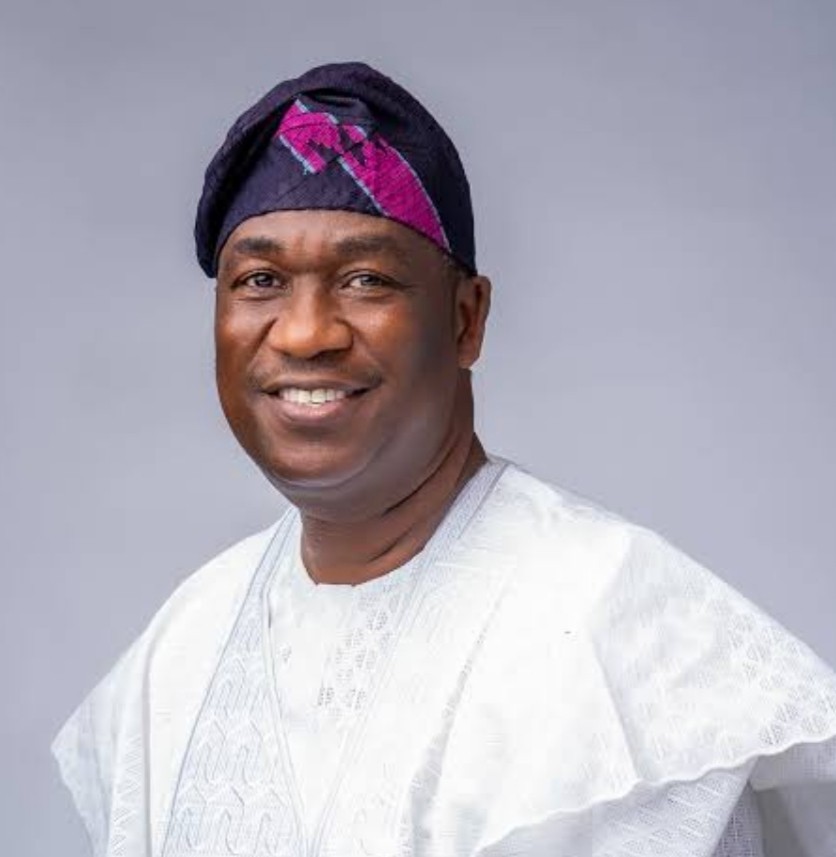
- Hamzat Explains Lagos’ Growing Waste Problem, Says State Needs More Trucks
- Lagos Orders 214 Trucks as Waste Generation Rises to 17,000 Tonnes Daily
- Diesel Cost, Truck Shortage Worsen Lagos Waste Crisis
Lagos State Deputy Governor Obafemi Hamzat has attributed the worsening waste situation across the state to a sharp increase in daily waste generation, a shortage of functional collection trucks and operational challenges confronting private waste operators.
Eko Hot Blog reports that Hamzat said the Lagos Waste Management Authority (LAWMA) was facing a waste management burden significantly higher than earlier projections, making it difficult for the state to effectively plan and coordinate refuse collection.
EDITOR’S PICK
- Beyond the Glamour: The Hidden Price Celebrities Pay for Looking Perfect
- Hamzat Gives Condition for Reconstruction of Alaba Market Roads
- Lagos Must Prepare for Next Pandemic, Health Commissioner Warns
The Deputy Governor disclosed this on Tuesday during an interview on Nigerian Info 99.3FM.
According to him, the state initially estimated that Lagos generated about 13,000 tonnes of waste daily but later discovered that the actual figure was closer to 17,000 tonnes.
“Well, so, you know, it’s easy for me to just throw the agency under the bus, but I won’t do that. That’s the agency that’s responsible, that we all know, LAWMA. But we’ve asked them to do a job, the scale of which we did not predict,” Hamzat said.
“And that scale is really unprecedented in this part of the world. So we thought that we are generating 13,000 tonnes on a daily basis. It turns out we are generating about 17,000,” he added.
Hamzat said the disparity had affected the state’s ability to properly plan for waste collection, stressing that accurate data was essential to managing the problem.
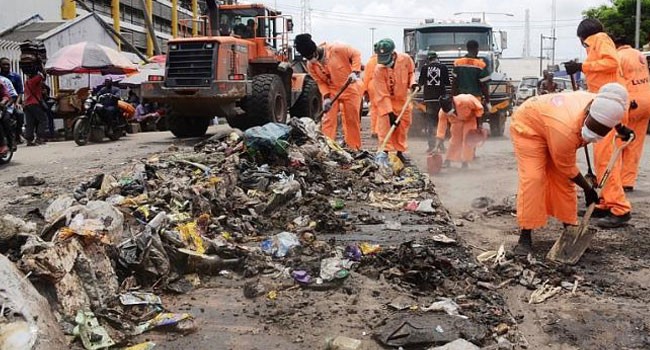
He noted that activities by people living and working on the streets also contributed to waste generation, making it more difficult to determine the total volume of refuse produced across the state.
The Deputy Governor identified the shortage of functional waste collection trucks as another major challenge.
He said Lagos currently had about 420 Private Sector Participants (PSPs) involved in waste collection, with each operator required under its agreement with the government to maintain at least 2 trucks.
This means more than 800 trucks would ordinarily be required to support the operations of the PSPs.
However, Hamzat said several operators no longer had the required number of functional vehicles because some trucks had become unusable while some businesses had shut down.
He also attributed some of the difficulties faced by the operators to rising diesel costs.
According to him, some PSP operators had approached the government seeking an increase in their tariffs to cope with rising operating costs.
Hamzat said the government rejected the proposed tariff increase but opted to provide additional financial support to the operators.
He said the state subsequently discovered that many of the available trucks were no longer fit for service and ordered new vehicles to strengthen the waste collection system.
The Deputy Governor said Lagos planned to provide 2 trucks for each of its 57 local government areas and local council development areas, amounting to 114 vehicles.
He added that the government had ordered another 100 trucks, bringing the total number of new vehicles planned to 214.
Hamzat said the trucks were initially expected to be delivered in July but the delivery had been postponed to September.
He identified the delay as one of the factors contributing to the current waste management challenges across the state.
The Deputy Governor consequently defended LAWMA against criticism that the agency alone was responsible for the worsening refuse situation.
He said the challenges were linked to the scale of waste generation, inadequate functional equipment and wider operational difficulties confronting the waste management system.
“So when I said I will not throw LAWMA under the bus, it’s because of something like that. It’s not technically their fault. Maybe we should have ordered earlier. Maybe. I mean, we must take responsibility,” Hamzat said.
He assured residents that the state government was working to address the challenges and improve waste collection across Lagos.
FURTHER READING
- How Lagos Achieved 57.4% Exclusive Breastfeeding Rate
- Nigeria Has Joined WEC to Lead, Not Just Participate – Tinubu
- Alausa Reviews NESRI Progress, Sets Fresh Push for Outstanding Deliverables
Click here to watch video of the week