- Lagos Must Prepare for Next Pandemic, Health Commissioner Warns
- Says COVID-19 Could Be Child’s Play Compared to Pandemic Flu, Abayomi Warns
- Says Lagos Must Act Now to Prevent Next Health Crisis
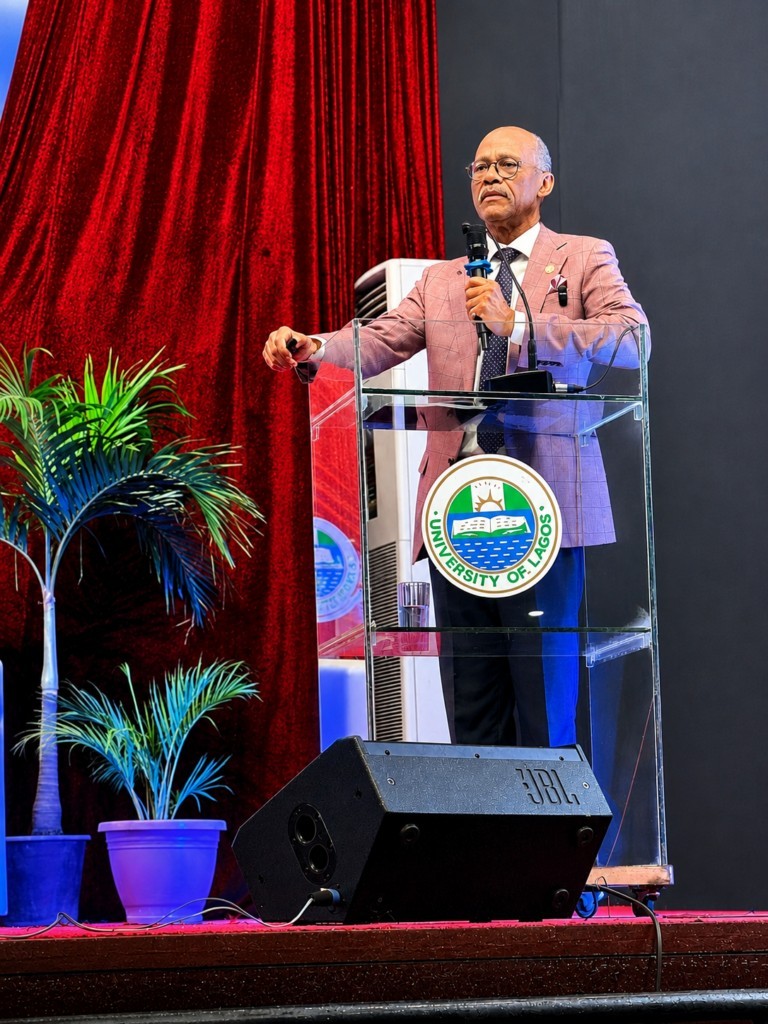
Lagos State Commissioner for Health, Prof. Akin Abayomi, has warned that the state must urgently strengthen its preparedness for future pandemics, environmental disasters and climate-related health emergencies, particularly the threat of pandemic influenza, Eko Hot Blog reports.
Abayomi, who played a key role in coordinating Lagos’ response to the COVID-19 pandemic, gave the warning on Tuesday while delivering the keynote address at the inaugural conference of the Faculty of Life Sciences, University of Lagos.
EDITOR’S PICK
- Nearly 30 Years Later, Who Really Knows How Abacha Died?
- Dapo Abiodun, Ipara Is Waiting for Leadership
- Why Every Husband Must Protect His Wife, Even After Death
The three-day conference, held from August 4 to 6, 2026, was themed “One Health: Preparing the Next Generation for a Changing World.”
Speaking on “One Health in a Megacity: Lagos, the Megacity of Africa,” Abayomi said the COVID-19 experience had shown that health emergencies could not be managed by doctors and hospitals alone.
He called for stronger collaboration between human health professionals, veterinarians, environmental experts, government agencies, scientists and communities, describing biosecurity as an essential part of the One Health approach.
The commissioner warned that the next major pandemic could have a far greater impact than COVID-19, with pandemic influenza among the threats that require urgent attention.
“If you thought COVID was bad, COVID will seem like child’s play compared to pandemic flu,” he warned.
Abayomi said other emerging threats included Lassa fever, Ebola, dengue, yellow fever, antimicrobial-resistant pathogens and genetically engineered diseases.
He stressed that Lagos, as one of Africa’s most densely populated and internationally connected cities, was particularly vulnerable to the rapid spread of infectious diseases.
According to him, Lagos has an estimated population of between 24 million and 30 million people, while about 70 per cent of Nigeria’s air traffic passes through the state.
He also said more than 1,800 truckloads of livestock enter Lagos every month, while daily cattle consumption in the state is estimated at between 3,000 and 5,000.
Abayomi said the movement of people and animals, coupled with Lagos’ rapid urbanisation, industrialisation and international connections, creates multiple pathways for infectious diseases to spread.
“The health threat anywhere in the world is a health threat everywhere,” he said.
The commissioner also linked climate change to growing health risks, citing flooding, rising temperatures, desertification, shrinking water resources and biodiversity loss as factors capable of worsening food insecurity, migration, conflict and the spread of infectious diseases.
He identified antimicrobial resistance as another serious challenge, warning that the inappropriate use of antibiotics in humans, livestock and agriculture was allowing microorganisms to develop resistance.
According to him, resistant pathogens can spread through food, water and environmental contamination, making antimicrobial resistance a challenge that requires cooperation across the health, agricultural and environmental sectors.
Abayomi also highlighted Lagos’ experience with malaria diagnosis as an example of how research and evidence can improve healthcare outcomes.
He said a study involving more than 88,000 people across 514 health facilities over nine months found that only about 5 per cent of fever cases in Lagos were caused by malaria.
The findings, he said, prompted the state to introduce a “no treatment of malaria without a test” policy.
According to the commissioner, the policy helped reduce malaria diagnoses among patients presenting with fever at public health facilities from about 60 per cent to 5 per cent, while also reducing unnecessary use of antimalarial drugs.
Abayomi further disclosed that Lagos faces a major shortage of healthcare professionals, saying the state needs about 40,000 doctors but currently has only around 7,000.
He said the shortage had been worsened by the migration of Nigerian doctors, nurses, pharmacists and other healthcare workers abroad.
To address the challenge, the state is pursuing a “brain gain” strategy focused on expanding medical education, recruiting more healthcare professionals and creating conditions that could encourage Nigerian professionals abroad to return.
“We are going to start making a lot more medical professionals across the disciplines,” he said.
The commissioner also encouraged Nigerian healthcare professionals who have travelled abroad to acquire additional expertise and eventually return home to contribute to the country’s health system.
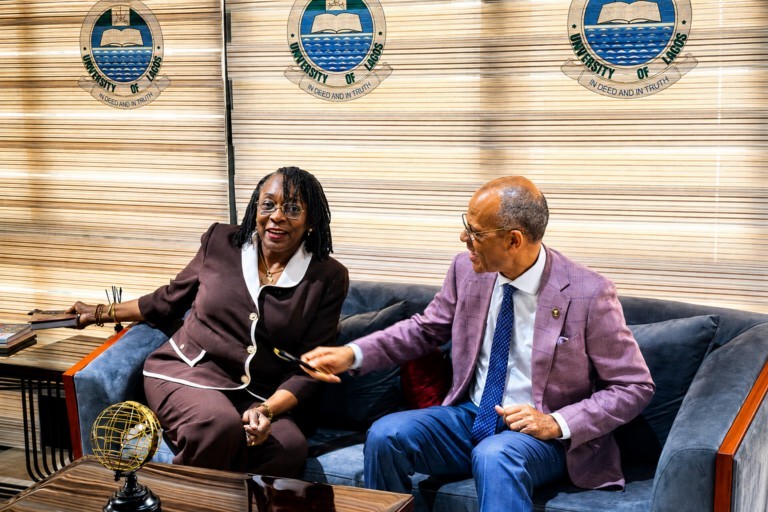
Earlier, the Vice-Chancellor of the University of Lagos, Prof. Folasade Ogunsola, said the institution remained committed to preparing the next generation of scientists and health professionals to respond to emerging global health challenges.
Ogunsola said climate change, infectious diseases and antimicrobial resistance had demonstrated the need for closer integration of human, animal, plant and environmental health.
She described the One Health approach as a necessity rather than merely an academic concept, given the growing links between people, animals and the environment.
The Dean of the Faculty of Life Sciences, Prof. Ganiyu Oyetibo, also called for greater interdisciplinary collaboration to address emerging health threats.
Oyetibo said the conference attracted more than 190 abstracts from participants across 32 institutions in Nigeria, including undergraduates, postgraduate students and early-career researchers.
He said the strong participation demonstrated the importance of preparing younger scientists and health professionals to tackle future health and environmental challenges.
The conference organisers urged researchers, policymakers and health professionals to work across disciplinary boundaries and develop practical solutions to emerging threats facing Nigeria and the wider world.
FURTHER READING
- Lagos’ Internally Generated Revenue Hits ₦1.17tn in First Half of 2026
- Portable Suffers Second Straight Celebrity Boxing Defeat as Okocha Wins Fight
- Tinubu Assures Nigerians of Guardrails Against State Police Abuse
Click here to watch video of the week