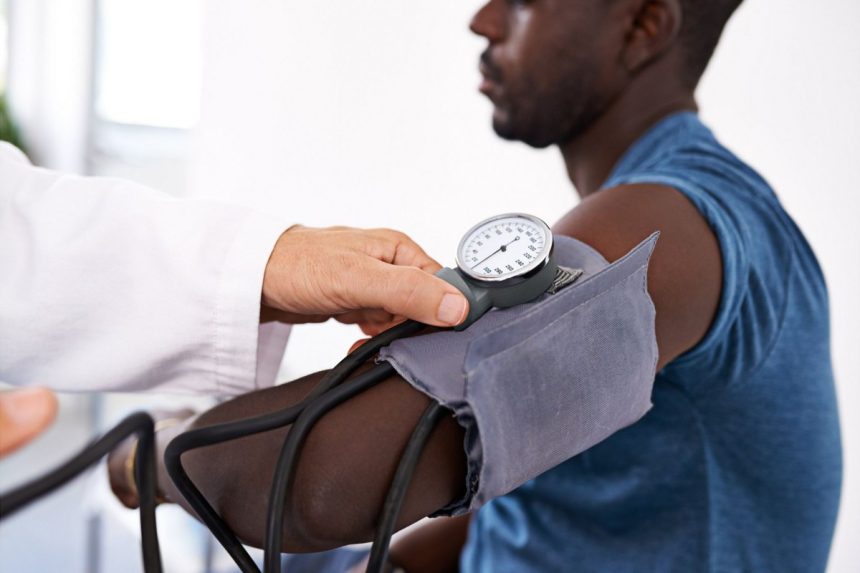
- Health Checks Every Adult Should Do Before It’s Too Late
- Blood pressure, sugar, and cholesterol checks remain key priorities
- Early detection improves treatment success and long-term health outcomes
Staying healthy goes beyond how you feel on a daily basis. Many serious conditions develop silently and only show symptoms when they have progressed.
EDITOR’S PICKS
- FA Introduces New Rules To Limit Heading In Football
- President Tinubu Has Not Endorsed Any APC Candidate for 2027 – Jandor
- Police Arrest 2 Over Trafficking of Nigerian Woman to Côte d’Ivoire
EKO HOT BLOG reports that regular health checks remain one of the most effective ways to detect issues early and prevent complications. For adults, these routine screenings can make a significant difference in long-term wellbeing.
1. Blood Pressure Check
High blood pressure is often called a silent killer because it shows little to no symptoms. Regular checks help reduce the risk of heart disease and stroke.
2. Blood Sugar Test
Diabetes can develop without clear warning signs. Routine screening helps detect abnormal sugar levels early and allows for timely lifestyle or medical intervention.
3. Cholesterol Test
High cholesterol can lead to blocked arteries and cardiovascular diseases. A simple test helps assess your risk and guide necessary changes.
4. Body Mass Index and Weight Check
Maintaining a healthy weight plays a key role in preventing chronic conditions such as hypertension, diabetes, and joint problems.
5. Eye Examination
Regular eye checks can reveal vision issues and detect underlying conditions such as glaucoma and even signs of hypertension.
6. Dental Check-Up
Oral health is closely linked to overall health. Routine dental visits help prevent gum disease, infections, and complications that may affect other parts of the body.
7. Cancer Screenings
Screenings such as breast, cervical, and prostate checks are vital for early detection. When identified early, many cancers can be treated more effectively.
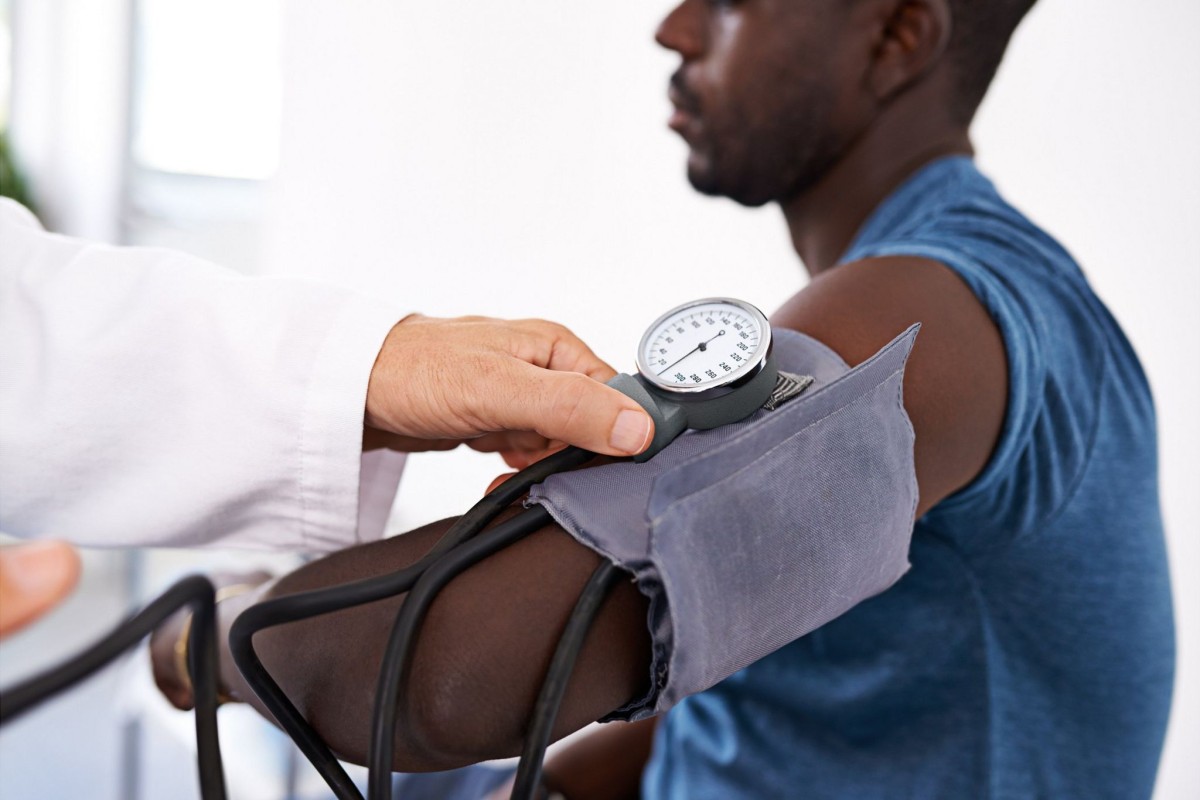
Taking time for these checks can save lives. Early detection gives you more control over your health and reduces the risk of severe complications later in life.