- South Africa Denies Role in Xenophobic Attacks as Nigeria Demands Probe
- Machele assured that concerns raised by Nigeria would be communicated directly to authorities in Pretoria
- Authorities are demanding access to autopsy reports, case files, and regular updates as investigations progress
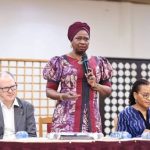
South Africa’s Acting High Commissioner to Nigeria, Lesoli Machele, has insisted that the government of South Africa is not behind the recurring xenophobic attacks on foreign nationals, including Nigerians, Eko Hot Blog reports.
Speaking during a meeting with Nigerian officials, Machele stressed that the protests and reported killings of foreigners have never had the backing of her government.
EDITOR’S PICK
- 10 Nigerians Convicted in US Over $125m Internet Fraud Scheme
- Ikeja Electric Implements Load Shedding Amid Power Shortage
- Body of Man Killed by Police in Delta Not Missing – Police Command
She assured that concerns raised by Nigeria would be communicated directly to authorities in Pretoria, with the aim of restoring calm and strengthening relations between both countries.
Despite the reassurance, tensions remain high. Nigeria is moving ahead with plans to investigate the killing of its citizens and is also considering the evacuation of Nigerians willing to return home if the situation worsens.
At the same time, Kenya has advised its citizens in South Africa to remain cautious, avoid protest areas, and stay alert amid the unrest.
The Nigerian government has specifically called for a thorough and transparent investigation into the deaths of Nnaemeka Matthew, Andrew Ekpeyong, and Kelvin Amaramiro, who reportedly died after sustaining injuries while in the custody of South African security agencies.
Authorities are demanding access to autopsy reports, case files, and regular updates as investigations progress.
Back home, the situation has sparked strong reactions. The Human Rights Writers Association of Nigeria criticised President Bola Ahmed Tinubu over his frequent foreign trips, describing them as costly and disconnected from the realities Nigerians are facing. The group questioned the value of such travels, especially at a time when citizens are facing security threats both at home and abroad.
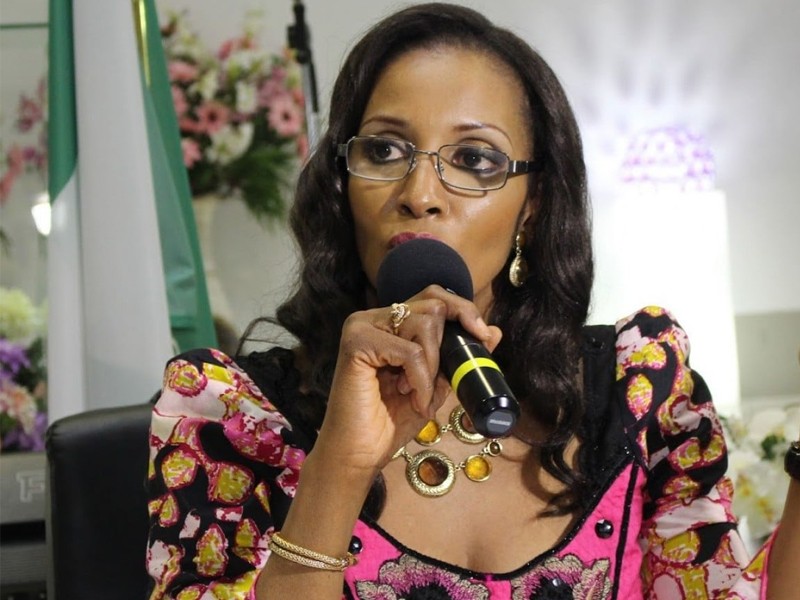
Former Minister of Education, Oby Ezekwesili, also weighed in, urging the President to cut short his ongoing visits to France, Kenya, and Rwanda. She described the decision to travel amid reports of Nigerians being attacked in South Africa as a failure of leadership and called for immediate action to protect citizens.
Meanwhile, the Africa Development Studies Centre has advised the Federal Government to rethink its approach. The group called for a shift from reactive responses, such as evacuations, to more strategic and sustained diplomatic engagement.
It recommended deeper collaboration with South African authorities and stronger involvement with the African Union to improve protections for migrants across the continent.
According to ADSC President, Victor Oluwafemi, Nigeria must prioritise long-term solutions that ensure the safety of its citizens, promote regional cooperation, and prevent future conflicts.
As diplomatic efforts continue, the situation highlights the fragile balance in Africa’s migration and security landscape, with many watching closely to see how both Nigeria and South Africa respond in the coming days.
FURTHER READING
- Labour Unions Throw Weight Behind Hamzat’s 2027 Lagos Governorship Bid
- Lagos Boosts HOPE Programme with Operational Vehicles
- Yoruba Tennis Club @100: Obasa Celebrates Legacy, Impact
Click here to watch video of the week