- Iran and Oman agree on a shipping route through the Strait of Hormuz.
- Tehran says reopening the strategic waterway still depends on the US ending its naval blockade.
- Fresh attacks and reported explosions underscore ongoing security risks in the region.
Iran has announced that it has reached an agreement with Oman on a shipping route through the Strait of Hormuz, but insists that reopening the vital global trade corridor still depends on the United States ending its naval blockade of Iranian ports.
Eko Hot Blog reports that Iranian officials said the two countries have agreed on the geographical coordinates for vessels transiting the strategic waterway and are finalising a joint statement outlining the terms of the arrangement.
EDITOR’S PICK
- Tinubu Approves Army Expansion, Recruitment of 28,000 Personnel
- Aregbesola Claims Record as First Nigerian Governor to Serve Eight Years Without Owning a House
- Ikosi-Ejinrin LCDA Commissions Fully Equipped NSCDC Divisional Headquarters, Donates Patrol Vehicle and Motorcycle to Boost Security
According to Iranian Foreign Ministry spokesman Esmaeil Baqaei, the agreement could pave the way for reopening the Strait of Hormuz if there are no external disruptions.
“The geographical coordinates of the route envisaged by the two sides have been agreed upon and, if certain third parties do not obstruct the process, the joint statement of the two countries is in the final review and drafting stage,” Baqaei said, according to Iran’s state news agency, IRNA.
Despite the progress with Oman, Baqaei stressed that shipping through the strait cannot be considered fully secure because of ongoing US military activities.
He accused Washington of maintaining a naval blockade and carrying out actions that continue to threaten Iran’s interests, saying these remain the biggest obstacles to restoring normal maritime operations.
The Strait of Hormuz has remained a flashpoint since the outbreak of war between Iran, the United States and Israel on February 28. Iran has since exercised de facto control over the waterway, warning that vessels using routes it considers unauthorised could face consequences.
US President Donald Trump has repeatedly claimed that Tehran is seeking an agreement to reopen the strait, but Iranian authorities have denied holding negotiations with Washington, saying they are instead working directly with neighbouring Oman.
Security concerns persisted on Wednesday after the captain of an oil tanker reported hearing two explosions while passing through the Strait of Hormuz, about nine nautical miles southeast of Kumzar, Oman. Britain’s maritime security agency, UKMTO, confirmed that the vessel and its crew were unharmed.
Separately, Yemen’s Houthi movement claimed responsibility for missile attacks on two Saudi oil tankers, identified as Wafa and Daisy, marking the eighth and ninth such attacks since the group announced a blockade of Saudi shipping last month. Saudi authorities had not commented on the claims at the time of reporting.
Before the conflict, the Strait of Hormuz handled roughly one-fifth of the world’s oil and liquefied natural gas exports, making it one of the world’s most important energy transit routes. Continued instability has repeatedly pushed global oil prices higher and intensified diplomatic pressure on Washington.
US Vice President JD Vance acknowledged that any diplomatic breakthrough with Iran would take time, describing the country’s political system as deeply divided.
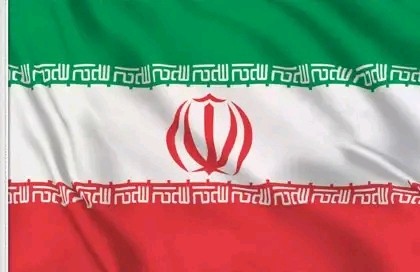
Iran has also indicated it wants greater control over shipping through the strait, including the ability to impose tolls on vessels, a move likely to face strong opposition from the United States.
Iran’s foreign ministry maintained that no direct negotiations are currently taking place with Washington over reopening the strategic waterway.
FURTHER READING