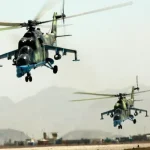
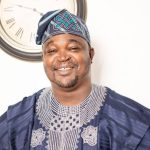
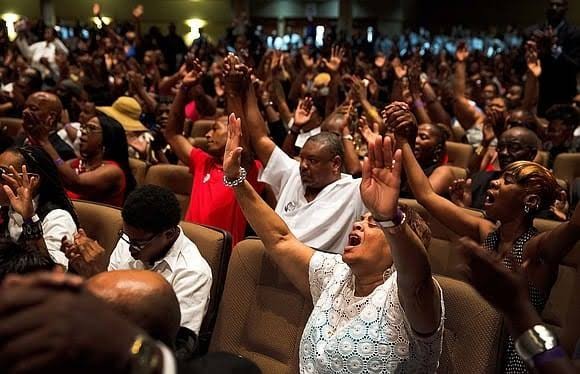
That statement from the Minister of State for Defence, Bello Muhammad Matawalle, is not strange in a country like Nigeria. We are a deeply religious people. When things go wrong, we pray. When fear rises, we pray. When insecurity spreads, we still pray. And there is nothing wrong with prayer.
EDITOR’S PICK
- Xenophobia: 258 Nigerians Attacked in South Africa Were Innocent – NIDCOM
- Tinubu Reveals N128bn Mortgage Support for Homeowners Across 25 States
- Nigeria Posts 340% Surge in Trade Surplus to N7.55trn in Q1
But the real question is not about faith. The real question is about responsibility.
Because insecurity in Nigeria did not start in a day, and it did not fall from the sky. It grew slowly over years through weak systems, ignored warnings, poor coordination, unemployment, corruption, and borders that are too easy to cross.
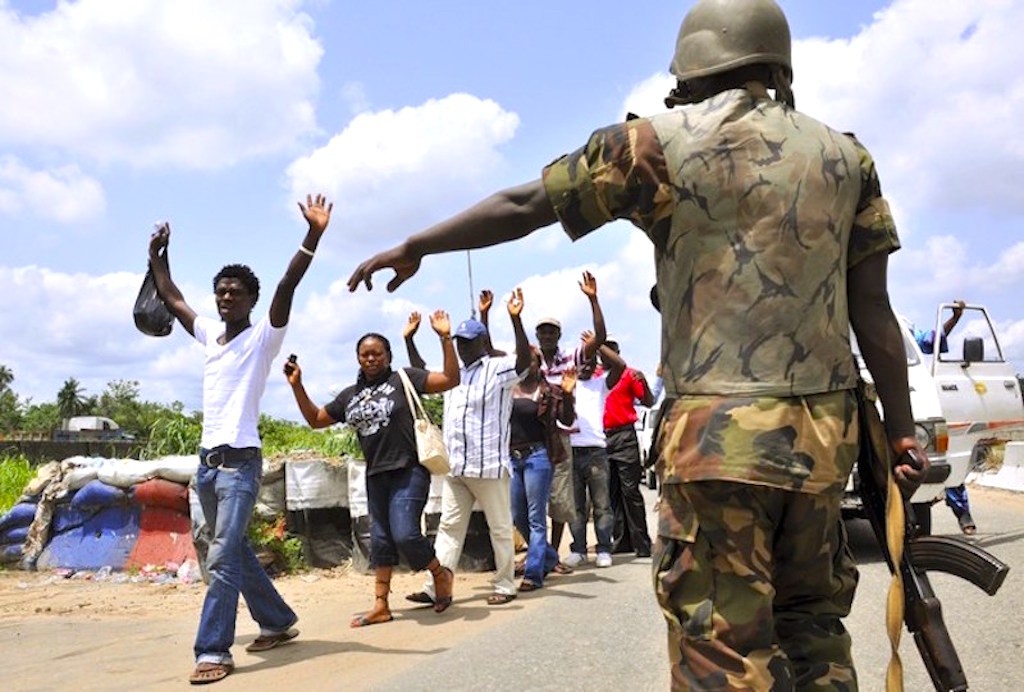
It is the kind of problem that is built by humans, not spirits. And if humans played a role in building it, then humans must also carry the responsibility of fixing it.
Yet over time, something interesting has happened in our national conversation. When insecurity becomes overwhelming, the language often shifts to spirituality.
Leaders call for prayers. Citizens are encouraged to trust God. And again, none of that is wrong. But it becomes a problem when prayer starts to sound like a substitute for action, instead of a support for it.
Because on the ground, insecurity is very physical. It involves weapons that are bought and transported. It involves intelligence that either works or fails.
It involves communities that see danger coming or feel abandoned before it arrives. It involves funding, planning, coordination, and response time. These are not spiritual processes, they are human systems.
At the same time, insecurity is not just a local issue anymore. Across the world, conflict has become part of a larger economy. The arms trade moves billions of dollars globally. Weapons move across regions. Conflict zones attract funding, contractors, and interests that benefit when instability continues. While ordinary people suffer displacement, others somewhere are earning from the system that produces that suffering. It is uncomfortable, but it is real.
Inside Nigeria, insecurity has also become tied to politics in ways people often feel but rarely say out loud. When fear rises, citizens demand stronger leadership.
When attacks happen, attention shifts away from other national issues. When budgets increase, they are justified in the name of security. And when elections come, promises of safety become powerful campaign tools. Again, this does not mean insecurity is created for politics, but it does mean insecurity does not exist outside political consequences.
Then there is another layer that is often ignored, the everyday realities behind the headlines. The security officers working under pressure with limited resources. The communities that act as first responders before help arrives.
The intelligence gaps that are never fully closed. The delayed responses that make situations worse. The underfunded systems that are expected to perform miracles. These are not visible in speeches, but they shape outcomes on the ground.
So when a leader says only God can end insecurity, many Nigerians understand the sentiment. But they also hear a deeper question behind it: where does human responsibility end and divine expectation begin?
Because if God alone ends insecurity, then what exactly is the role of the institutions, budgets, agencies, and leaders created for that same purpose?
Faith will always remain part of Nigeria’s response to crisis. But governance cannot be replaced by faith. Prayer can strengthen a nation, but it cannot replace intelligence work. Belief can comfort citizens, but it cannot secure borders. And hope cannot take the place of action.
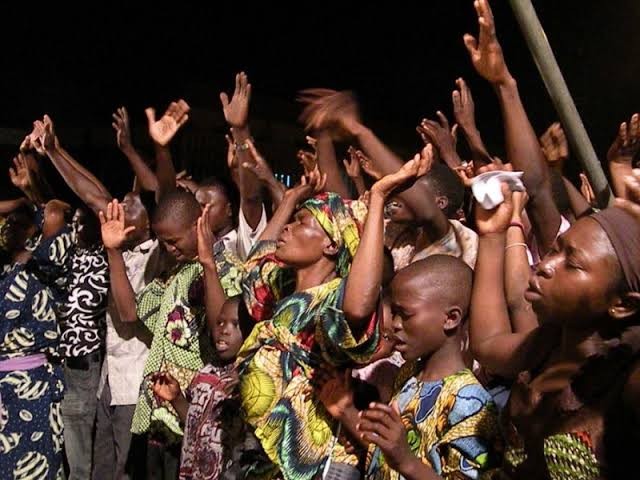
Maybe the real balance Nigeria needs is not choosing between God and government, but making sure that neither is used to excuse the absence of the other.
Until that balance is found, insecurity will remain not just a security problem, but a question of responsibility no one is willing to fully own.
FURTHER READING
- Lagos Pushes Climate Investment Agenda as Sanwo-Olu Set to Lead UK Summit Delegation
- Crime Has No Ethnicity, Nigeria Must Remain United Against Terrorism – Tinubu
- Tinubu Pays Tribute to June 12 Heroes with National Awards
Click here to watch video of the week