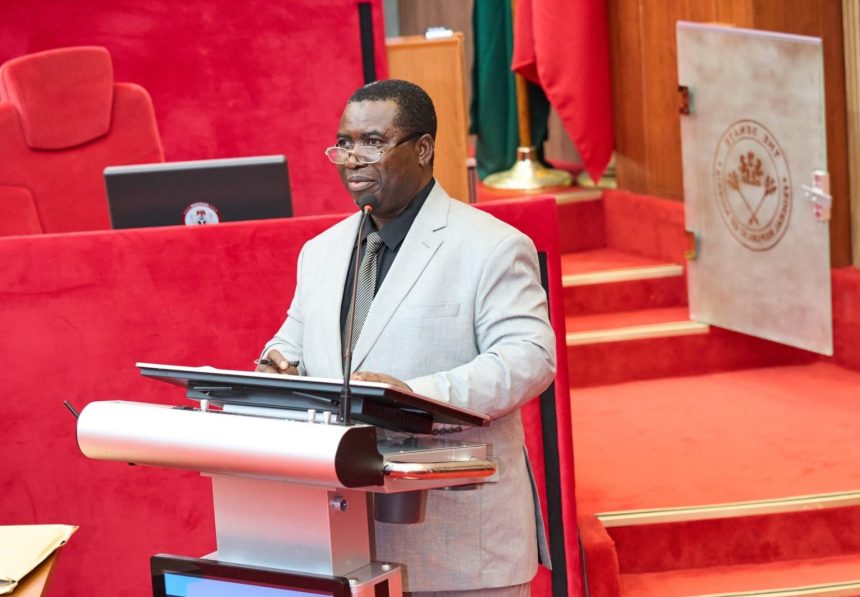
- Amupitan reaffirmed that the commission remains committed to strengthening transparency
- He revealed that all 6,879 devices deployed in the poll performed impressively
- INEC boss noted that the device now serves as the commission’s first line of defence in polling units nationwide
The Chairman of the Independent National Electoral Commission (INEC), Joash Ojo Amupitan, says Nigeria has finally shut the door on voter impersonation following the full deployment of the Bimodal Voter Accreditation System (BVAS).
Eko Hot Blog reports that Amupitan, represented by National Commissioner May Agbamuche-Mbu, shared this assurance at the 2025 Digital Nigeria International Conference organised by the National Information Technology Development Agency.
EDITOR’S PICK
- Ikosi-Ejinrin LCDA Advances Rehabilitation of Agbowa Primary Health Centre
- Lagos State Records Milestone with Oversubscribed Bond Issuance
- Biggest Takeaways from Imprisonment of UNICAL Lecturer Over Sexual Harassment
He explained through his Chief Press Secretary, Dayo Oketola, that BVAS has proven to be a secure, reliable tool capable of blocking identity theft, multiple voting, and other accreditation malpractices that previously undermined elections.
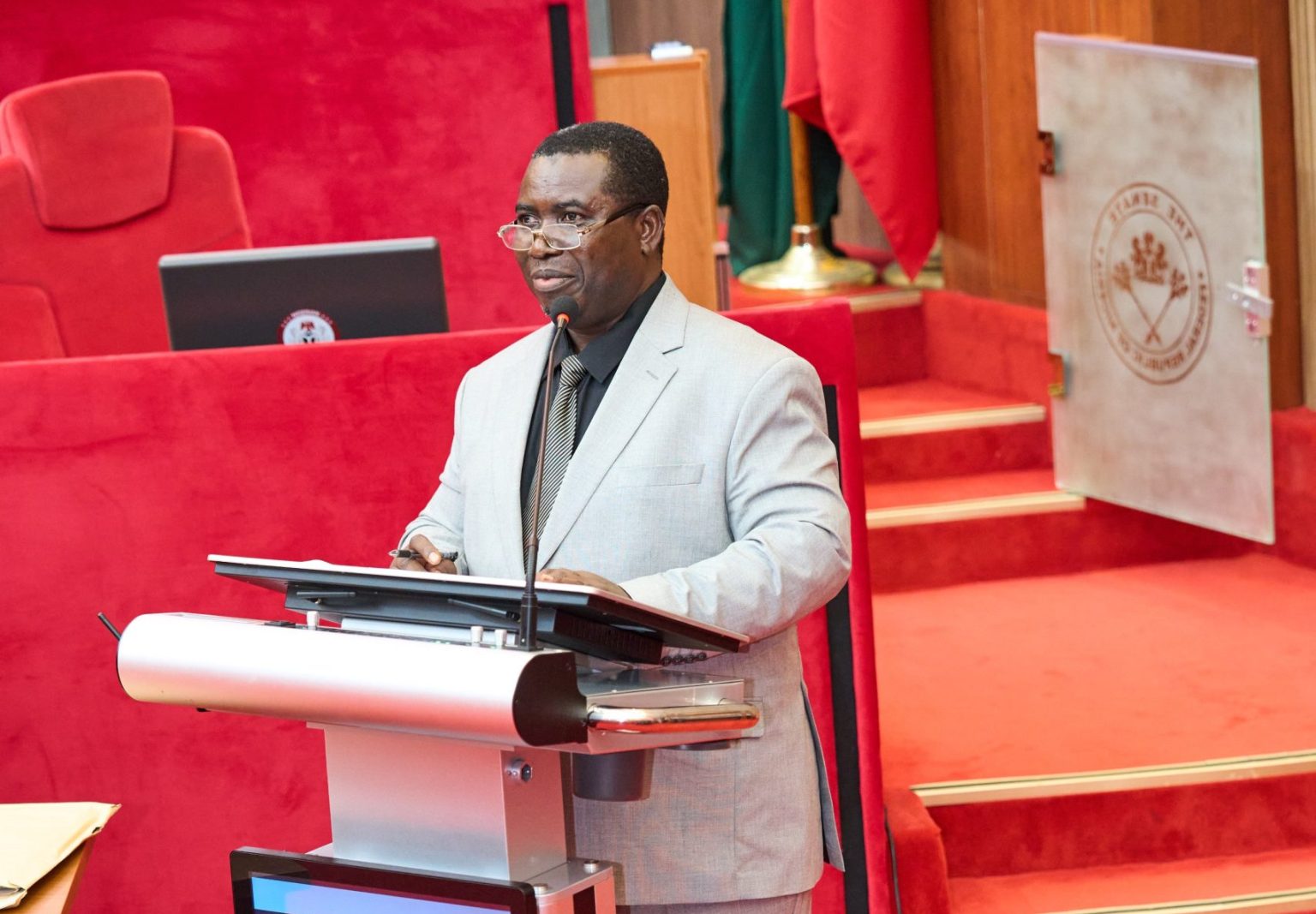
INEC boss noted that the device now serves as the commission’s first line of defence in polling units nationwide, ensuring only eligible voters are accredited through biometric verification.
Addressing technology experts, civil society groups and policymakers, Amupitan pointed to the recent Anambra governorship election as further confirmation of BVAS efficiency.
He revealed that all 6,879 devices deployed in the poll performed impressively, with more than 99 per cent of results successfully uploaded on the INEC Result Viewing Portal on election day.
He added that the performance confirmed that BVAS and IReV have moved beyond experimental tools and are now firmly embedded in Nigeria’s electoral process.
INEC chairman emphasised that Section 47(2) of the Electoral Act 2022 gave digital tools full legal backing, strengthening public confidence in technology-driven elections.
Amupitan, however, admitted that connectivity challenges still affect operations in parts of the country, especially in riverine, mountainous and remote communities with limited network access.
He said the commission is partnering with the NCC and telecom operators to improve connectivity and explore alternative technological solutions to address the gaps.
He dismissed suggestions that INEC might revert to manual accreditation, insisting that Nigeria has made too much progress to return to a system vulnerable to interference and manipulation.
Amupitan reaffirmed that the commission remains committed to strengthening transparency, ensuring accurate voter verification, proper ballot counting and timely result transmission.
FURTHER READING