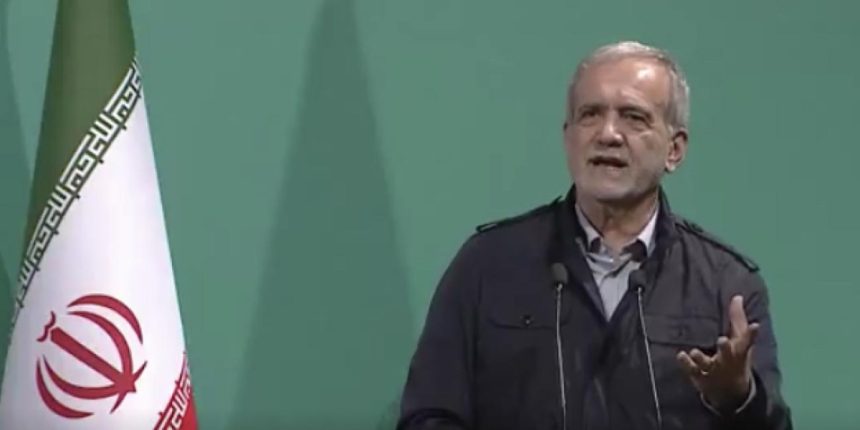
- Iranian President Masoud Pezeshkian has officially declared that Iran has no plans to build nuclear weapons, stating they are “religiously forbidden” (Haram) under the nation’s spiritual leadership.
- The declaration directly contradicts claims by U.S. President Donald Trump, who has vowed to stop Iran’s alleged pursuit of nuclear arms through ongoing military engagement.
- The tension has triggered a high-profile resignation in Washington, as Joseph Kent, Director of the National Counterterrorism Center, stepped down in protest of the war, calling it a “trap” based on misinformation.
On Friday, March 20, 2026, Iranian President Masoud Pezeshkian sought to de-escalate regional tensions by reiterating Iran’s “peaceful” nuclear stance.
Eko Hot Blog reports that Pezeshkian emphasized that obtaining nuclear weapons is strictly prohibited by a religious decree (fatwa) from the Supreme Leader, Ayatollah Mojtaba Khamenei.
EDITOR’S PICK
- Ogun Begins Crackdown on Illegal Parks at Sango Border Over Rising Accidents
- Police Nab 30-Year-Old ‘Super M’ During Stop-and-Search in Lagos
- LASG Launches Investigation Into Cosmetic Surgery Death
“No Iranian officials are permitted to pursue plans to obtain such arms,” the President stated, adding that Iran seeks a security framework led by Islamic countries to ensure regional stability without “the presence of outsiders.”
The ideological clash between Tehran and Washington has led to internal fractures within the Trump administration. Joseph Kent, the Director of the U.S National Counterterrorism Center, resigned effective immediately on Friday.
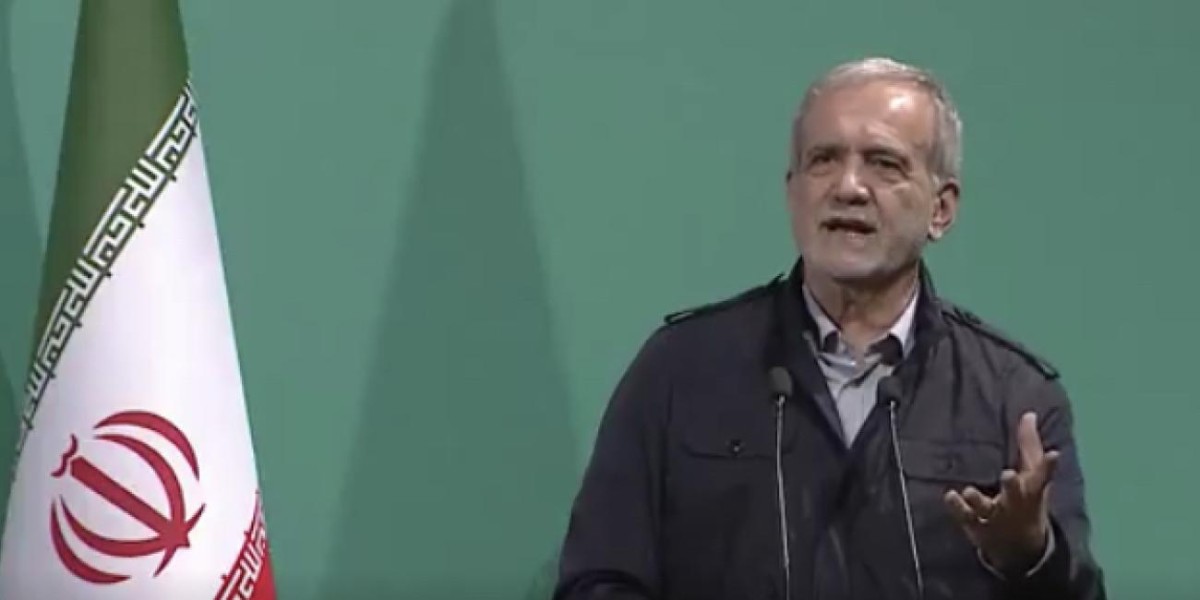
In a scathing letter to President Trump, Kent argued that Iran posed “no imminent threat” and accused “high-ranking Israeli officials” and the media of deceiving the U.S. leadership into a conflict that depletes American wealth and lives.
Kent, a long-time supporter of the “America First” platform, warned that the current military path mirrors the misinformation that led to the Iraq War.
He stated he could no longer “in good conscience” support a war he believes is the result of external pressure rather than national necessity.
While Tehran calls for “freedom, independence, and dignity” for the Islamic nation, the international community remains on edge.
The resignation of a top U.S security official over the validity of the war’s motivations adds a layer of complexity to the conflict.
As Iran proposes a regional security alliance, the standoff between Trump’s military objectives and Tehran’s religious declarations continues to threaten global stability and energy corridors.