- This strike followed a missile launch from Yemen’s Houthi rebels
- The move is expected to further disrupt Red Sea shipping, already affected by the virtual closure of the vital Strait of Hormuz by Iran
- Iran’s President Masoud Pezeshkian has thanked Pakistan for its mediation efforts
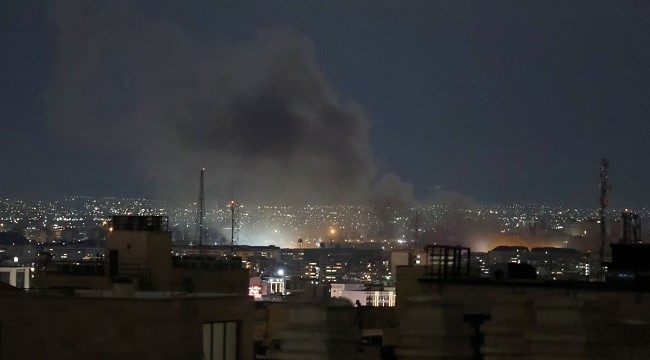
The Israeli military reported that it launched strikes on an Iranian naval research facility in Tehran on Saturday night, coinciding with a series of loud explosions that rocked the capital.
Eko Hot Blog gathered that the attack targeted the headquarters of Iran’s Marine Industries Organisation, which is known for developing a wide array of naval weapons, including both manned and unmanned vessels.
EDITOR’S PICK
- G7 Meets in France Amid Middle East Tensions
- Epe in Focus: Tinubu to Announce Lagos APC Consensus Governorship Candidate Monday
- Bisola Badmus Rallies Support for Biola Bayo Following Heated Baba Ijesha Interview Backlash
This strike followed a missile launch from Yemen’s Houthi rebels, who declared their involvement in the ongoing Middle East conflict by firing a missile toward Israel.
The move is expected to further disrupt Red Sea shipping, already affected by the virtual closure of the vital Strait of Hormuz by Iran, compounding the region’s economic challenges.
Israeli officials confirmed that their military’s recent operations focused on Iranian military industry and infrastructure, with an Israeli spokesperson indicating that additional attacks targeting critical components would soon be completed.
Explosions continued to rock Tehran, with one local resident expressing frustration over the lack of peace, saying the previous night’s bombing felt as though the entire city was shaking.
In the wake of the conflict’s escalation, sparked by U.S. and Israeli airstrikes that killed Iran’s Supreme Leader Ayatollah Ali Khamenei, Pakistan has emerged as a mediator. It is set to host talks between Saudi Arabia, Turkey, and Egypt in Islamabad.
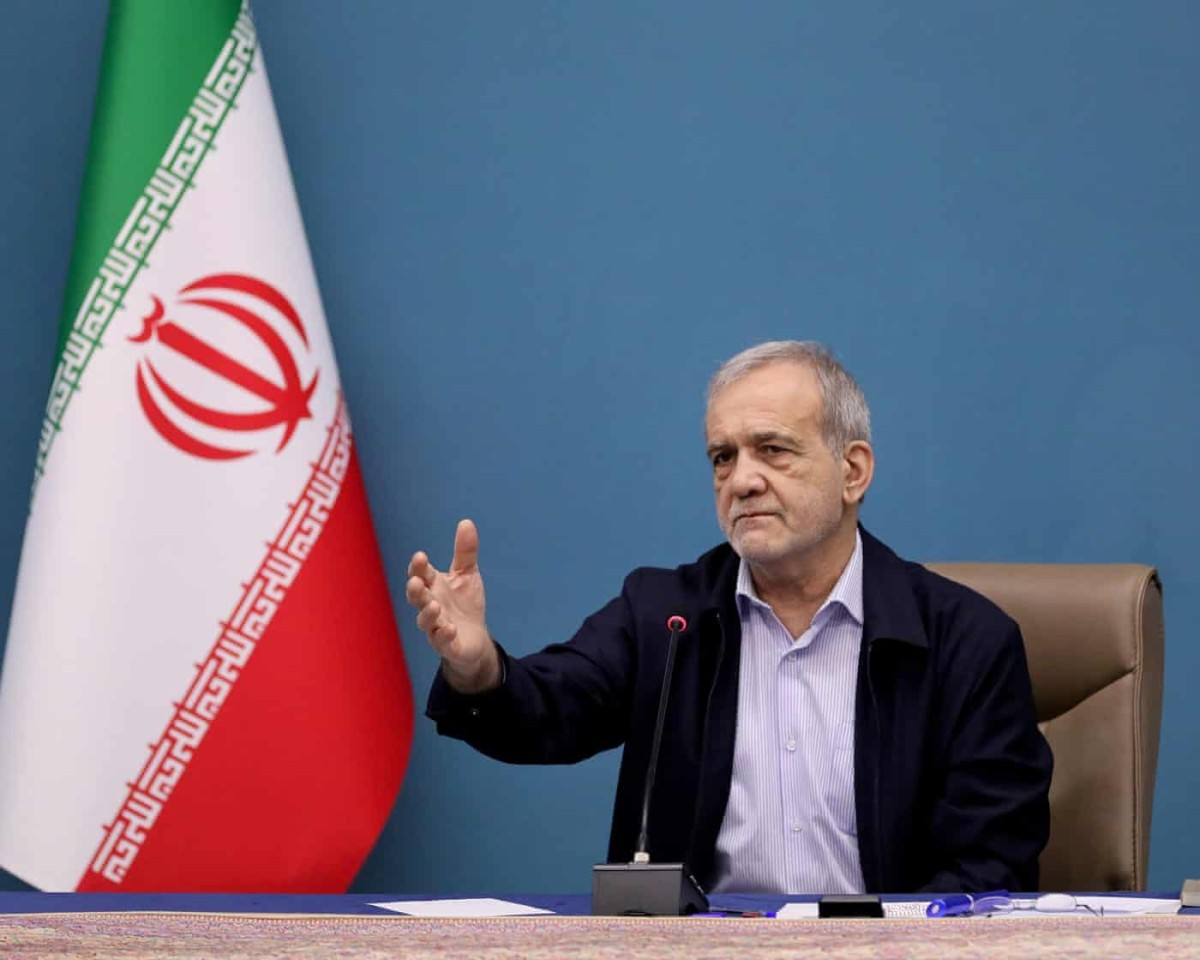
Iran’s President Masoud Pezeshkian has thanked Pakistan for its mediation efforts, while German Foreign Minister Johann Wadephul expressed hopes for a direct U.S.-Iran dialogue soon.
Meanwhile, Yemen’s Houthis claimed responsibility for recent missile strikes targeting Israeli military sites, although Israel reported that the missile was intercepted.
The Houthis had previously attacked Red Sea and Gulf of Aden shipping lanes during the earlier conflict in Gaza, a situation that is expected to worsen now as Red Sea shipping lanes are vital for oil exports, particularly following disruptions in the Strait of Hormuz.
Saudi Arabia has rerouted much of its oil through the Red Sea port of Yanbu, bypassing Hormuz, but recent drone attacks have affected key shipping routes, including operations at the Omani port of Salalah and the Khalifa Economic Zone in the UAE, causing significant damage and injuries.
In addition to the ongoing attacks on industrial and military sites, recent reports indicate that the U.S. and Israeli strikes have caused a shutdown of production at a major steel plant in southwestern Iran.
The Iranian Revolutionary Guards have vowed to retaliate, promising to target industrial facilities across the region in response.
In Iraq, U.S. and Israeli strikes reportedly killed several members of an Iran-aligned paramilitary group near Kirkuk, and two police officers in Mosul.
Meanwhile, the air defense system of Saudi Arabia and Qatar successfully intercepted Iranian missiles in recent days.
On the diplomatic front, Ukrainian President Volodymyr Zelensky has traveled to the Gulf to share his country’s expertise in anti-drone technology, hoping to strengthen regional defenses against Iranian attacks.
Ukraine has already signed long-term agreements with Saudi Arabia and Qatar to enhance defense cooperation.
In Israel, protests against the ongoing conflict erupted across cities, with demonstrators expressing frustration over the lack of a clear resolution and the ongoing strain of war.
As one protester put it, “No one’s thought how the hell we’re going to get out of this, and there’s no end in sight.”
FURTHER READING