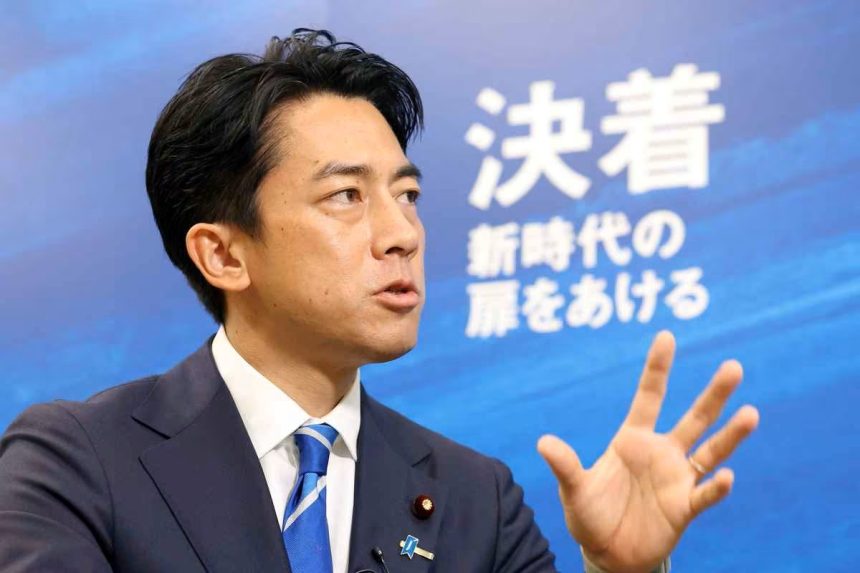
- Japanese Defense Minister Shinjiro Koizumi held high-level talks with US Secretary of Defense Pete Hegseth to address escalating tensions in the Middle East and the Strait of Hormuz.
- During the call, Hegseth assured Tokyo that the ongoing military campaign against Iran would not lead to a reduction of US military forces stationed in Japan.
- The diplomatic engagement follows a direct appeal from the Trump administration for allies, including Japan, to deploy warships to secure the critical energy transit route.
Japanese Defense Minister Shinjiro Koizumi has emphasized the “vital importance” of maintaining peace and stability in the Strait of Hormuz.
Eko Hot Blog reports that the defense chief’s remarks were made during a telephone conversation with US Secretary of Defense Pete Hegseth, as the international community navigates the fallout of the expanded regional conflict in the Middle East.
EDITOR’S PICK
- Ogun Begins Crackdown on Illegal Parks at Sango Border Over Rising Accidents
- Police Nab 30-Year-Old ‘Super M’ During Stop-and-Search in Lagos
- LASG Launches Investigation Into Cosmetic Surgery Death
According to reports from Japan’s public broadcaster, NHK, Secretary Hegseth provided a comprehensive briefing on the current military theater in Iran.
A key takeaway from the briefing was Washington’s assurance that US military commitments in the Indo-Pacific remain unchanged.
Hegseth clarified that the war on Iran would not result in the reallocation or withdrawal of US forces from Japanese soil, a statement intended to calm anxieties regarding a possible security vacuum in East Asia.
The conversation comes at a time of significant pressure on Tokyo.
The Trump administration has recently urged its global allies to provide maritime support by sending warships to the Strait of Hormuz.
For Japan, which relies heavily on the Middle East for over 90% of its crude oil imports, the closure or disruption of this narrow waterway would represent an existential threat to its economy.
During the call, Hegseth reaffirmed Washington’s commitment to strengthening the deterrence and response capabilities of the US-Japan alliance.
This encompasses not only the defense of Japanese territory but also a coordinated response to global threats that impact the economic interests of both nations.
Koizumi, in turn, conveyed Tokyo’s intention to maintain “seamless and close communication” with the US and other international stakeholders to prevent further escalation.
Despite the call for naval contributions, Japan faces significant constitutional and domestic hurdles regarding the deployment of its Self-Defense Forces (SDF) to active conflict zones.
However, the tone of the meeting suggests that Tokyo is exploring all diplomatic and logistical avenues to ensure the flow of commerce through the Persian Gulf remains uninterrupted.
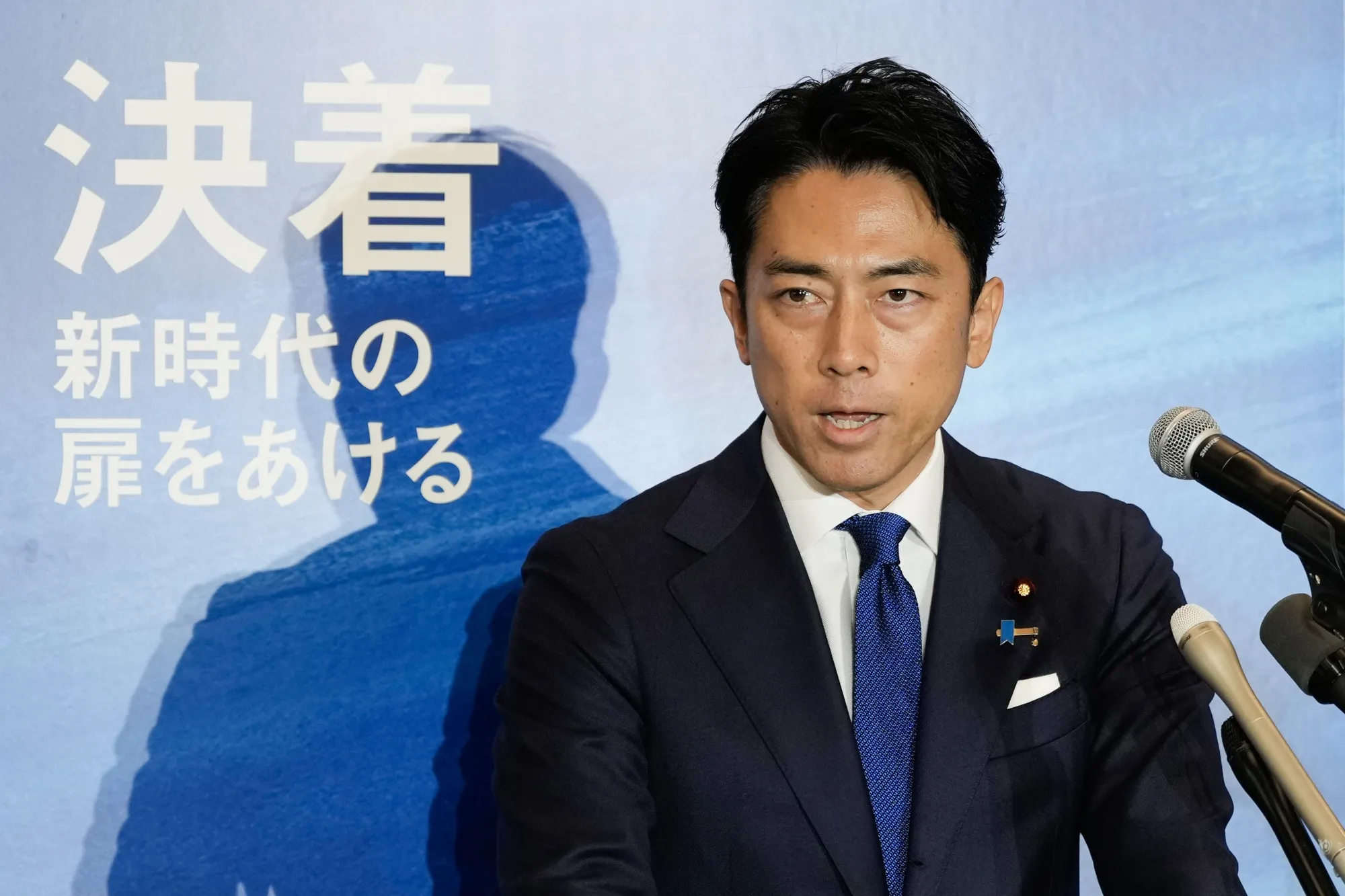
As the conflict in the Middle East continues to reshape global alliances, the dialogue between Koizumi and Hegseth underscores a shared priority: ensuring that the war in Iran does not destabilize the maritime corridors that power the world’s third-largest economy.
The two defense leaders agreed to remain in constant contact as the situation in the Strait of Hormuz evolves.