- According to the state government, the reform is also expected to boost the business environment
- Its primary goal is to simplify the tax process, improve transparency
- It further подчеркнул that such changes are essential for tackling the problems of multiple taxation
Kaduna State has moved to overhaul its taxation system following the approval of the State Tax (Consolidation) Law, 2025, signed into law by Governor Uba Sani.
Eko Hot Blog reports that the legislation, which was recently endorsed by the State House of Assembly, seeks to bring together various tax regulations under one unified framework.
EDITOR’S PICK
- Interior Ministry Orders Immediate Deactivation of Passports for Former Citizens
- Iran Sets Conditions as US Warns Ahead of Talks
- 7 Things People Over 50 Should Do Every Morning for Better Health
Its primary goal is to simplify the tax process, improve transparency, and make compliance easier for individuals and businesses across the state.
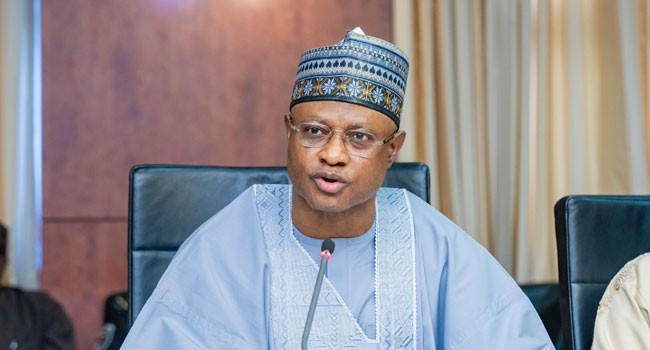
By merging multiple tax laws into a single structure, the government aims to eliminate overlaps, reduce inefficiencies, and address long-standing concerns about double taxation. Officials believe this will encourage better compliance while easing the burden on taxpayers.
According to the state government, the reform is also expected to boost the business environment. With a clearer and more straightforward tax system, companies and entrepreneurs should face fewer administrative challenges and lower costs associated with tax payments.
Beyond administrative improvements, the law is seen as a catalyst for economic growth. Strengthening internally generated revenue will allow the government to invest more in infrastructure, public services, and development initiatives.
The Joint Revenue Board has praised the development, commending both the governor and the leadership of the Kaduna State Internal Revenue Service for implementing what it described as a forward-looking reform.
The board noted that unifying taxes into a single system marks a major advancement in subnational tax administration.
It further подчеркнул that such changes are essential for tackling the problems of multiple taxation, increasing transparency, and improving overall revenue collection.
Observers also view the reform as part of a wider effort by the current administration to strengthen fiscal management and make Kaduna more attractive to investors.
If successfully executed, the new system could enhance revenue performance while supporting broader economic growth.
Overall, the new tax law represents a key step in Kaduna State’s efforts to modernize its financial structure and promote sustainable development.
FURTHER READING