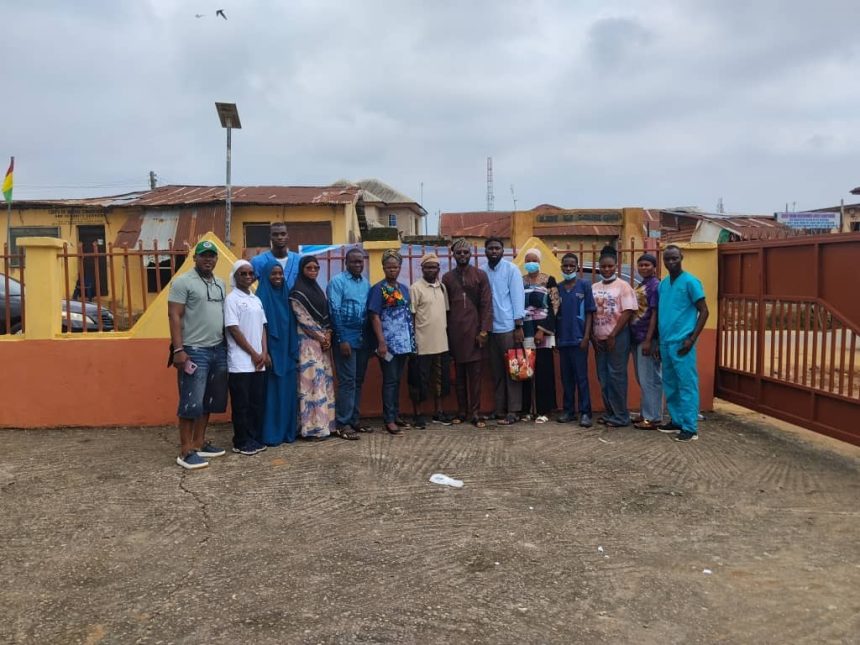
- Residents of Epe praised the Kayokayo Festival medical outreach for providing free healthcare services
- The programme offered screenings, consultations, and treatment support for hundreds of beneficiaries
- Many beneficiaries said the initiative eased financial pressure and improved access to healthcare
Residents of Epe have expressed strong appreciation for the organisers of the 175th Kayokayo Festival following a large-scale free medical outreach that provided essential healthcare services to hundreds of people across the community.
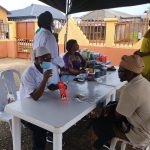
The outreach, held at the 1st Epe Central Mosque in Oke-Balogun, was organised as part of the festival’s annual activities and offered residents access to a broad range of medical services without any financial cost, Eko Hot Blog gathered.
EDITOR’S PICK
- UN Mobilizes Humanitarian Aid For Venezuela Following Twin Earthquakes
- Dollar To Naira Exchange Rate Today, June 26, 2026
- Concerns As Repentant Boko Haram Members Allegedly Join Army Recruitment
These included general medical consultations, malaria testing, blood pressure and blood sugar checks, Hepatitis B screening, eye examinations, dental care, and referrals for further treatment where necessary.
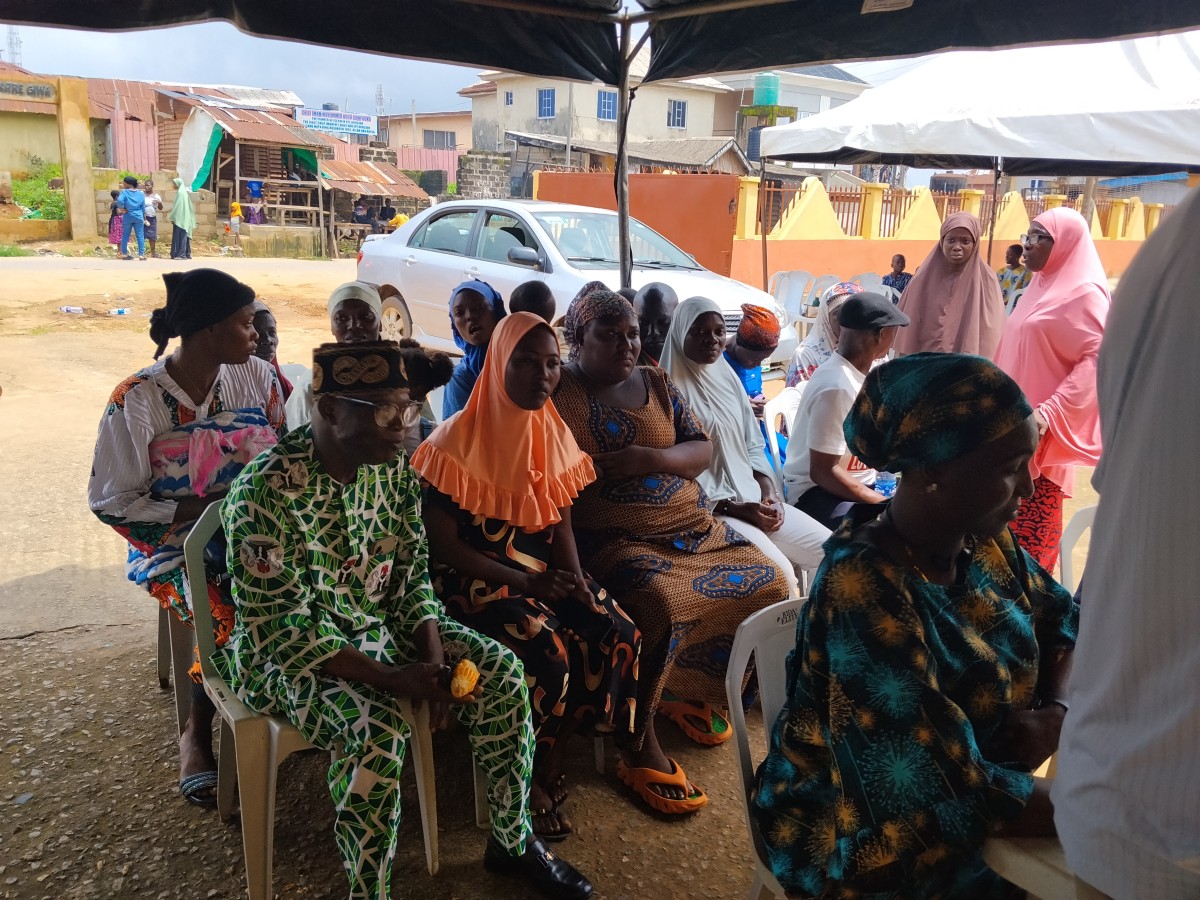
Many beneficiaries said the initiative came at a critical time, as the rising cost of healthcare in the country has made it increasingly difficult for low-income families to access basic medical attention.
They described the outreach as a relief intervention that helped them assess and manage their health conditions early.
Several residents noted that the inclusion of specialised services such as dental care, eye checks, and Hepatitis B screening marked a significant improvement compared to previous editions, making this year’s programme more comprehensive and impactful.
Community members also praised the smooth organisation of the exercise, pointing out that the medical personnel and volunteers handled a large number of patients efficiently while maintaining order throughout the programme.
They said the outreach created an atmosphere of care and inclusiveness, where both young and elderly residents were attended to with equal attention.
One beneficiary, who attended the screening, said the programme gave her the opportunity to discover health concerns she was previously unaware of, adding that she would not have been able to afford such checks in a private hospital.
Others echoed similar sentiments, stressing that the outreach has become an important annual intervention that many residents now depend on for basic health screening and medical advice.
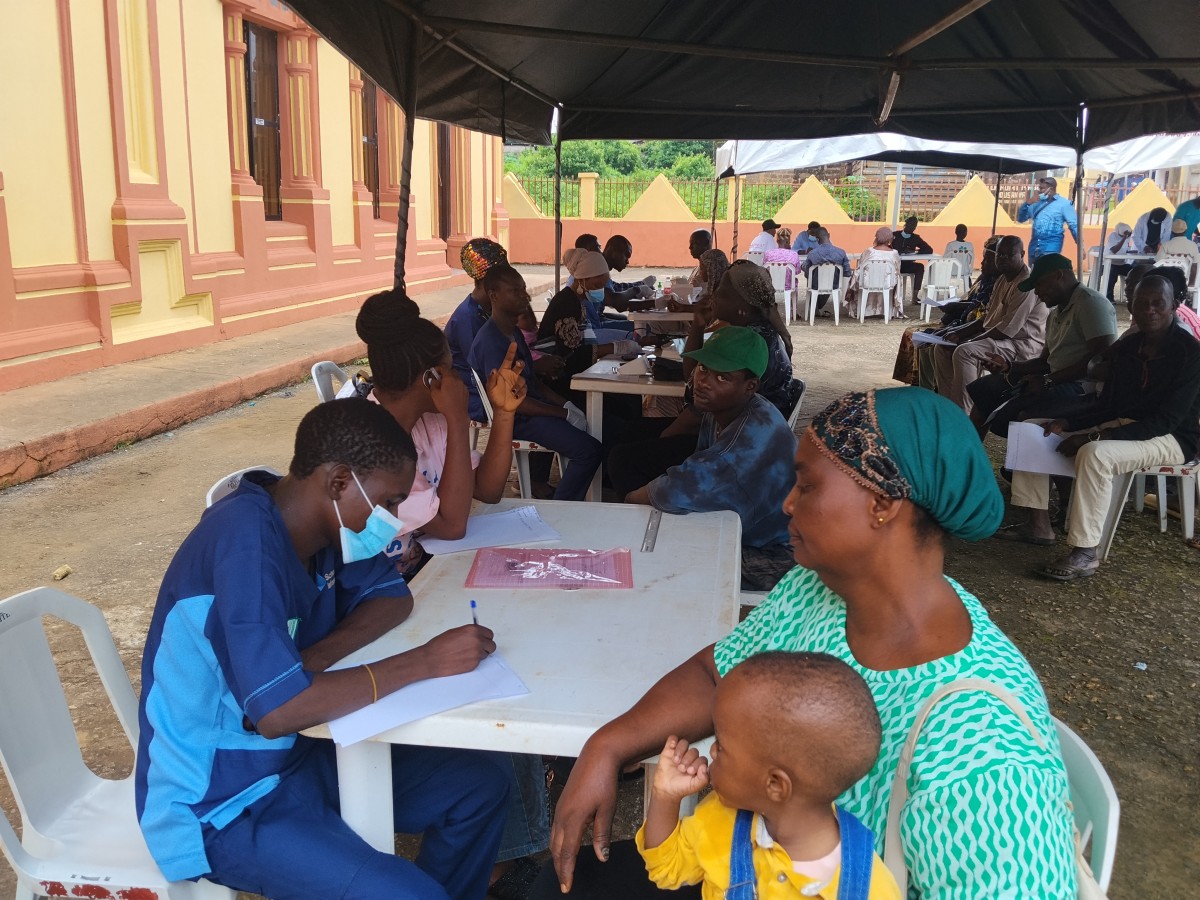
Some participants also commended the Kayokayo Festival Planning Committee for sustaining the initiative over the years, describing it as a rare example of cultural celebration directly benefiting the community beyond entertainment and tradition.
They further encouraged organisers to expand the outreach in future editions to accommodate more residents, especially those in surrounding rural areas who face greater difficulty accessing healthcare facilities.
The medical outreach remains one of the key highlights of the Kayokayo Festival, reinforcing its role not only as a cultural heritage celebration but also as a platform for addressing pressing social and health needs within the Epe community.
FURTHER READING