- Sanwo Olu has approved dredging of 28 additional drainage channels after recent flooding
- The government blamed the flooding on heavy rainfall and climate change
- Residents were urged to keep drains clear and follow flood safety advisories
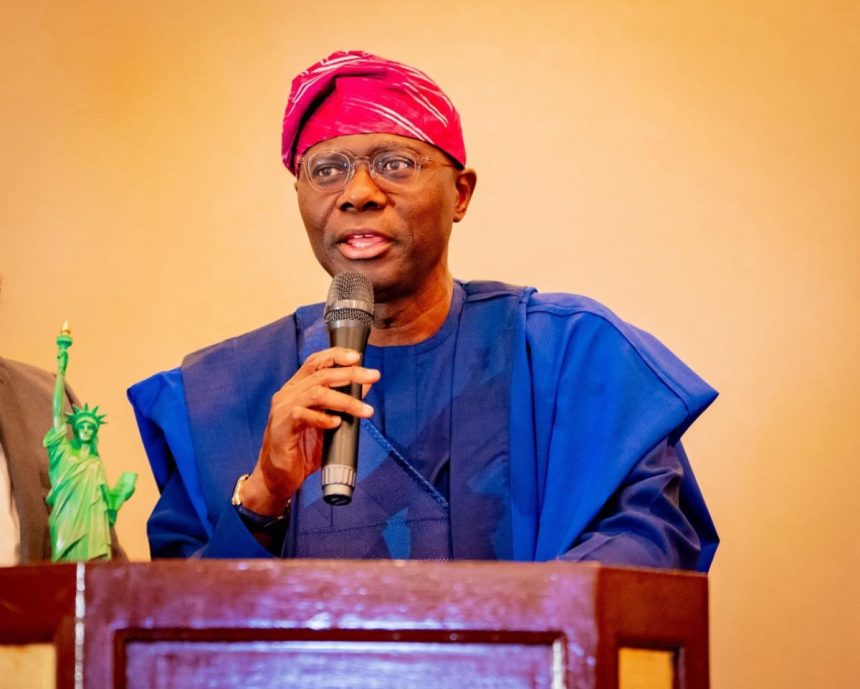
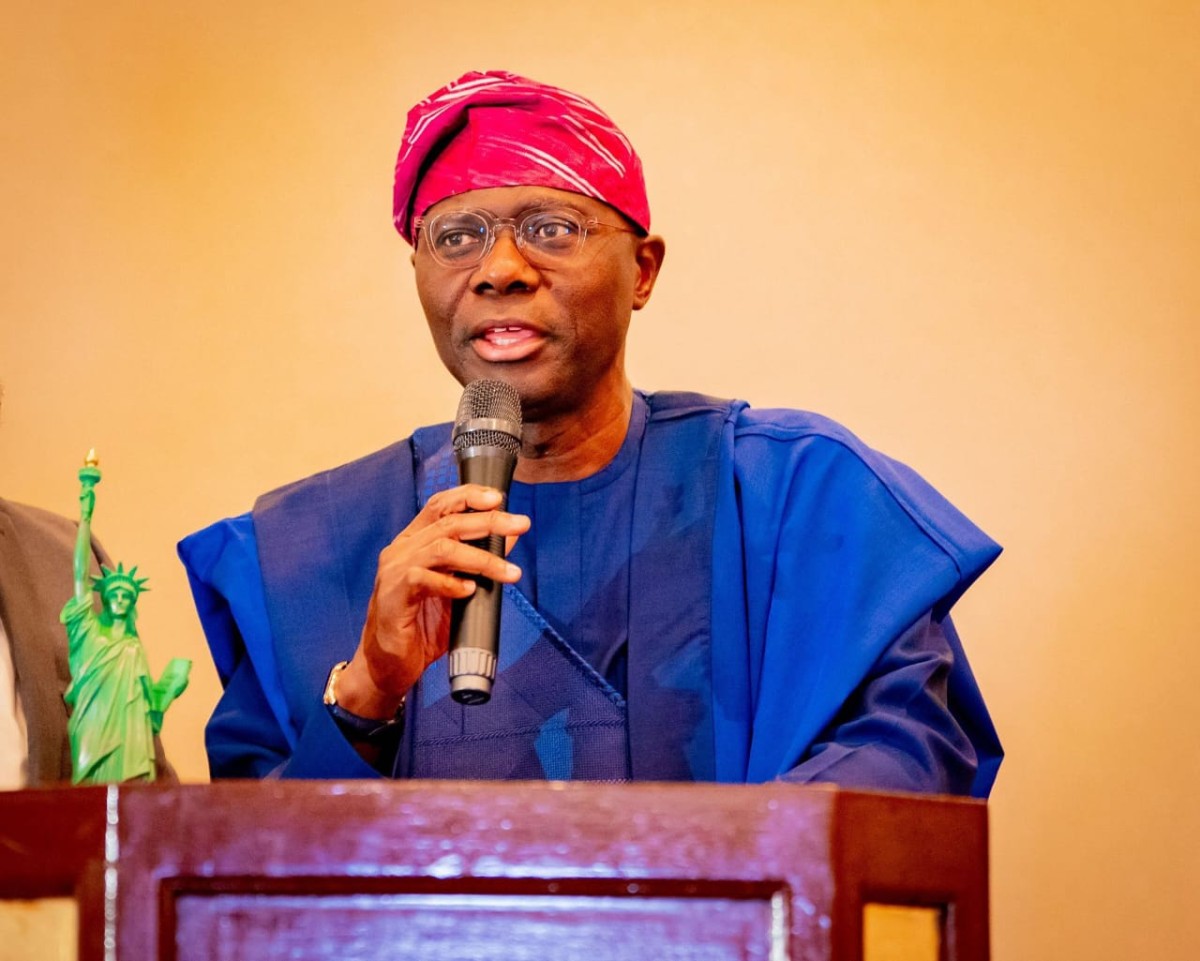
Lagos State Governor Babajide Sanwo-Olu has approved the immediate dredging and maintenance of 28 additional primary drainage channels following the widespread flooding recorded across several parts of the state in recent weeks.
Eko Hot Blog gathered that the approval was announced by the Commissioner for the Environment and Water Resources, Tokunbo Wahab, in a statement issued on Tuesday by the ministry’s spokesperson, Kunle Adeshina.
EDITOR’S PICK
- UN Mobilizes Humanitarian Aid For Venezuela Following Twin Earthquakes
- Dollar To Naira Exchange Rate Today, June 26, 2026
- Concerns As Repentant Boko Haram Members Allegedly Join Army Recruitment
Wahab said the flooding was caused by unusually heavy rainfall that overwhelmed drainage systems in many locations, leading to temporary flooding in areas such as Victoria Island, Lekki, Ikeja, Gbagada, Mushin, Mafoluku and other communities.
He explained that the rainfall was an extreme weather event that produced an exceptionally large volume of water within a short period, exceeding the capacity of some drainage infrastructure.
According to the commissioner, the weather conditions were not unique to Lagos, noting that several African countries and parts of North America also experienced severe rainfall around the same period.
Wahab said Lagos faces additional flooding challenges because of its coastal geography, which includes lagoons, rivers, creeks and tidal water bodies. He explained that high tide often slows the discharge of stormwater into the Atlantic Ocean, increasing the likelihood of temporary flooding in low-lying areas after intense rainfall.
He assured residents that the state government was closely monitoring drainage infrastructure, flood-prone communities and major water channels, while emergency response agencies remained on standby to assist affected residents.
As part of efforts to reduce flooding, Wahab urged Lagos residents to stop dumping refuse into drainage channels and waterways, refrain from illegal land reclamation and avoid building structures on drainage alignments.
He warned that such activities obstruct the free flow of stormwater and contribute significantly to flooding during heavy rains.
The commissioner added that climate change is increasing the frequency and intensity of rainfall in coastal cities worldwide, stressing that Lagos is also experiencing the effects of the changing climate.
Despite the challenges, he said the state government remains committed to improving flood resilience through continued investment in drainage infrastructure, strict environmental enforcement and public cooperation.
Wahab described flood prevention as a shared responsibility and encouraged residents to keep drainage channels free of waste, report activities that obstruct waterways and comply with weather advisories issued by relevant authorities.
He also advised motorists to avoid driving through flooded roads during heavy rainfall to reduce the risk of accidents and vehicle damage.
The latest government intervention follows public criticism after days of heavy rainfall left several roads submerged, disrupted businesses, stranded commuters and damaged vehicles across the state.
Floodwaters affected major roads and communities, including Gbagada, Iyana Ipaja, Ikorodu Road, Ikeja, Maryland, Mushin, Ogudu, Lekki, Oshodi, Agege, Alimosho and Obalende, with many commuters forced to walk long distances after commercial transport operators suspended services.
The flooding also spread to sections of the Lagos-Ibadan Expressway, Lagos-Abeokuta Expressway, Apapa-Oshodi Expressway and Lekki-Epe Expressway, resulting in severe traffic congestion across the metropolis.
FURTHER READING
- Eredo LCDA Announces Monthly Environmental Sanitation Exercise
- Lagos LGs Receive N156.84bn FAAC Allocation in Q1 2026
- 32 Killed in Venezuela Quakes
CLICK HERE TO WATCH VIDEO OF THE WEEK