- Full operationalization of the Electronic Planning Permit System and modernization of the LPPS Portal.
- Statewide adoption of Spatial Data Infrastructure (SDI).
- Fast-tracking the Lagos Land Use Classification System with 208 digitally coded categories.
Town planners working under the Lagos State Ministry of Physical Planning and Urban Development have pledged to tackle the persistent building approval backlog across the state by embracing stronger coordination, improved staffing, stricter enforcement, and a fully digital, technology-driven planning system.
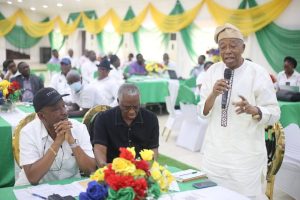
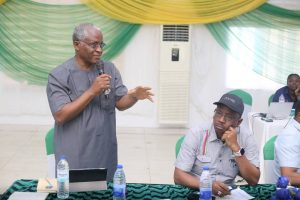
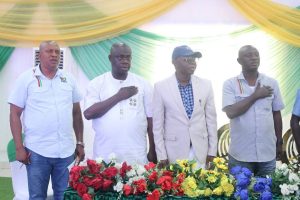
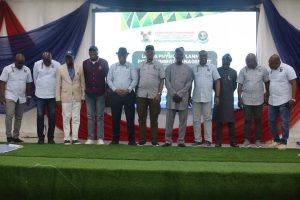
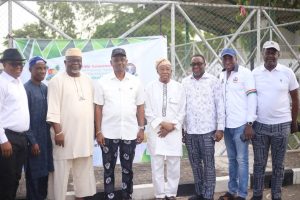
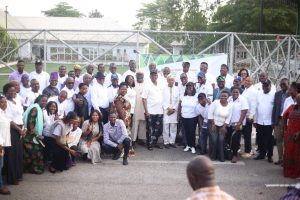
Eko Hot Blog reports that the commitment came during the Lagos State Physical Planning Post-Summit/Management Retreat held at Jubilee Chalets, Epe.
EDITOR’S PICK
- Gana Warns Kidnappers Using Students as Shields
- Senator Katung Explains Defection to APC
- Immaculate Conception Catholic Church, Ibonwon, Celebrates Christ the King Feast
The retreat brought together officials from relevant Ministries, Departments, and Agencies (MDAs), professionals, and stakeholders to review progress since the 2024 Lagos Physical Planning Summit and chart strategies for sustainable urban growth in Africa’s largest megacity.
In his address, Deputy Governor Dr. Kadri Obafemi Hamzat stressed the importance of proper land-use planning for the state’s safety, economic growth, and livability.
“Proper land planning is fundamental to the success of Lagos State. Citizens and developers must adhere strictly to planning regulations, while the government must ensure that its processes are transparent, fair, and efficient.
We must balance vertical developments on high streets with less vertical ones on inner streets to optimize limited land resources while preserving tradition,” he said.
Dr. Hamzat also directed that the databases of all planning-related MDAs be linked to allow seamless processing of development applications and build public confidence in the system.
The Commissioner for Physical Planning and Urban Development, Dr. Oluyinka Olumide, described the retreat as a turning point for strengthening Lagos’ planning system to meet the demands of rapid urbanization. “The building approval deficit in Lagos State is not just a statistical problem; it is a development and public safety issue. This retreat marks a renewed commitment by all professionals in the system to remove bottlenecks, simplify procedures, embrace digital tools, and ensure that development is carried out strictly within the framework of the law,” he said.
Permanent Secretary, Office of Physical Planning, Engr. Olumide Sotire, highlighted the importance of data integration and institutional realignment, noting that initiatives such as the Spatial Data Infrastructure (SDI), the Lagos Land Use Classification System, and interlinked MDA platforms would improve efficiency and reduce turnaround times.
Former Commissioners and Permanent Secretaries, including Tpls. Toyin Ayinde, Francisco Abosede, Idris Salako, and Ayodele Adediran, participated actively, reinforcing the need for continuity, policy consistency, and long-term vision in Lagos State’s physical planning governance.
Participants, including Bamidele Onalaja, President of the Real Estate Developers Association of Nigeria (REDAN), acknowledged challenges such as inadequate staffing, outdated base maps, institutional overlaps, and low public trust as major contributors to the approval backlog and unregulated developments.
Key resolutions from the retreat include:
Full operationalization of the Electronic Planning Permit System and modernization of the LPPS Portal.
Statewide adoption of Spatial Data Infrastructure (SDI).
Fast-tracking the Lagos Land Use Classification System with 208 digitally coded categories.
Recruitment of additional technical personnel across planning MDAs.
Establishment of more technical departments in the Office of Physical Planning.
Strengthening inter-agency collaboration and public sensitization on the importance of obtaining planning approvals.
The retreat concluded with a renewed determination among all stakeholders to ensure Lagos’ urban planning system becomes more efficient, technology-driven, and responsive to the challenges of a rapidly growing megacity.


FURTHER READING
- 38 Abducted Kwara Church Members Regain Freedom
- Nigeria’s Security Struggles: Intelligence Failures, Insider Sabotage, and the Renewed Fight Under Tinubu
- Education District III Holds Orientation for Newly Recruited Teachers, Charges Them on Professionalism and Purpose
Click here to watch video of the week
–