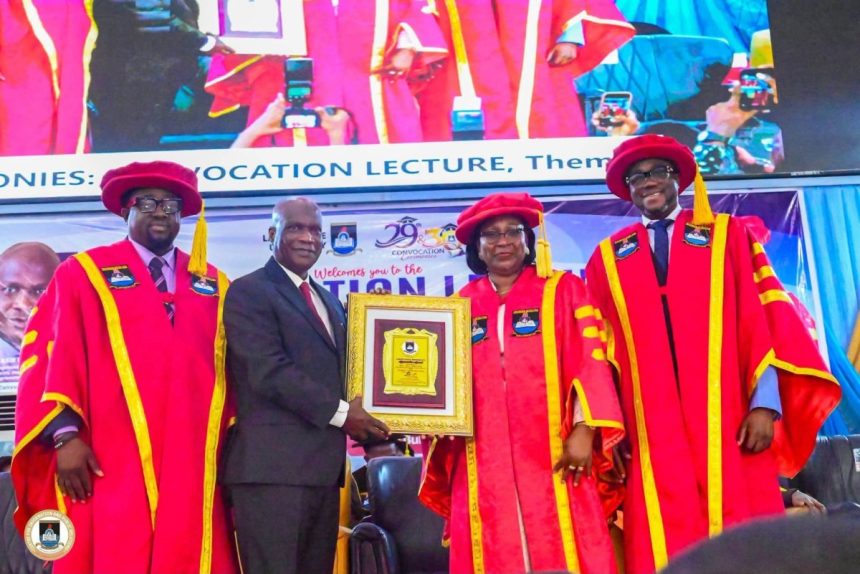
- Wale Raji calls for deliberate strategies to harness Nigeria’s Diaspora for national development.
- Lawmaker commends LASU Vice-Chancellor, Prof. Ibiyemi Olatunji-Bello, for five years of institutional transformation.
- Raji challenges LASU graduands to become agents of innovation, entrepreneurship, leadership and service.
The Member representing Epe Federal Constituency in the House of Representatives, Rep. Tasir Olawale Raji, has called on the Federal Government to develop deliberate strategies for harnessing the skills, expertise, investments and global networks of Nigerians living abroad to drive national development.

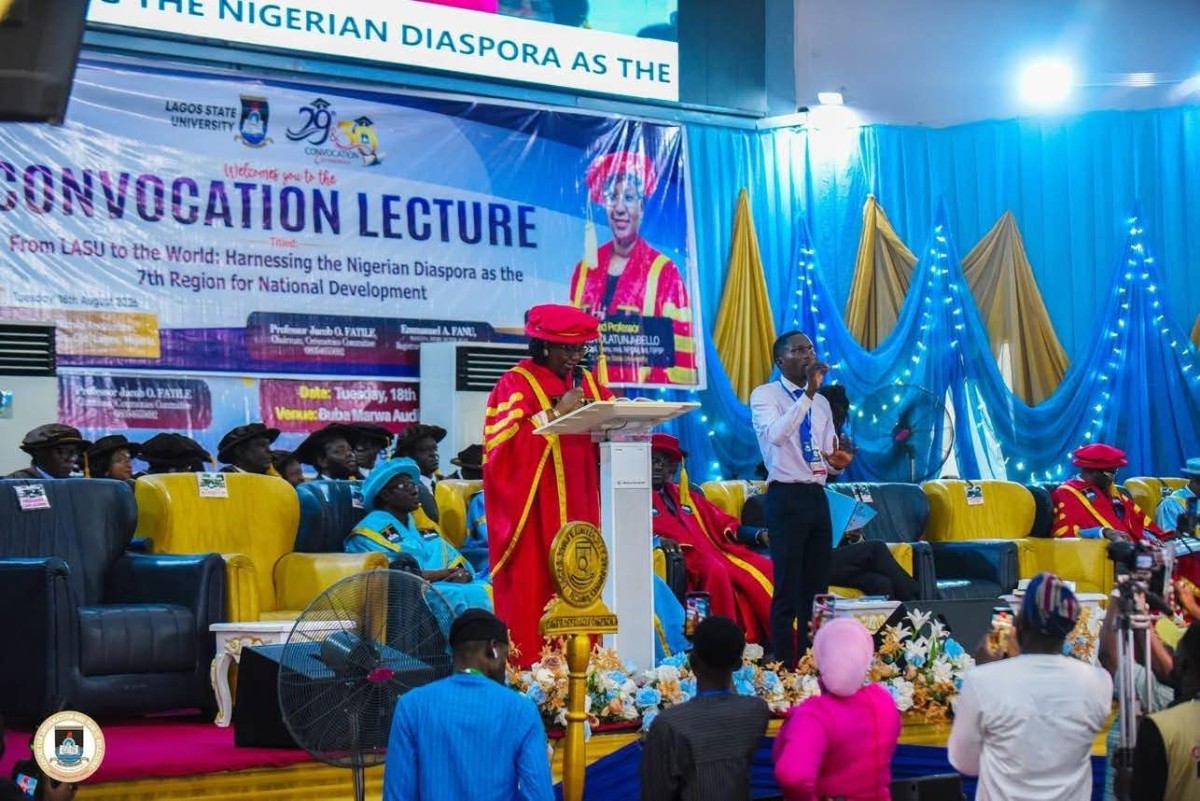
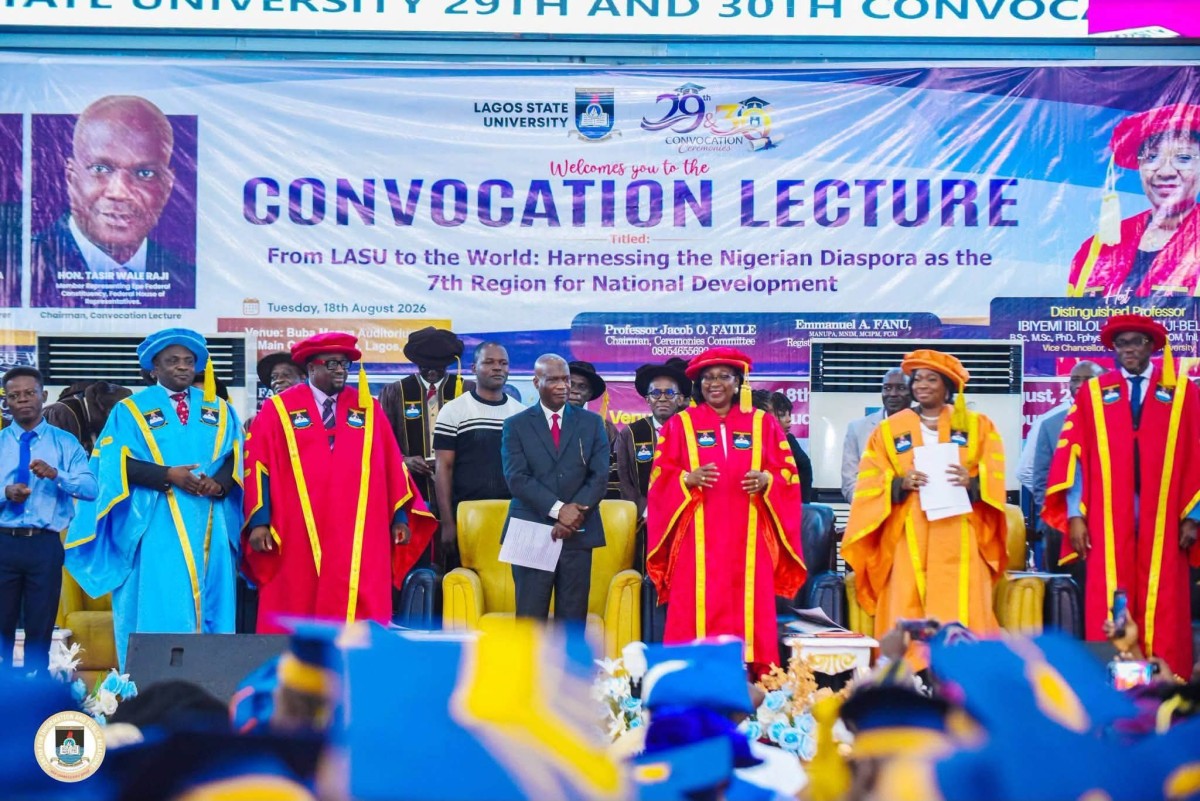
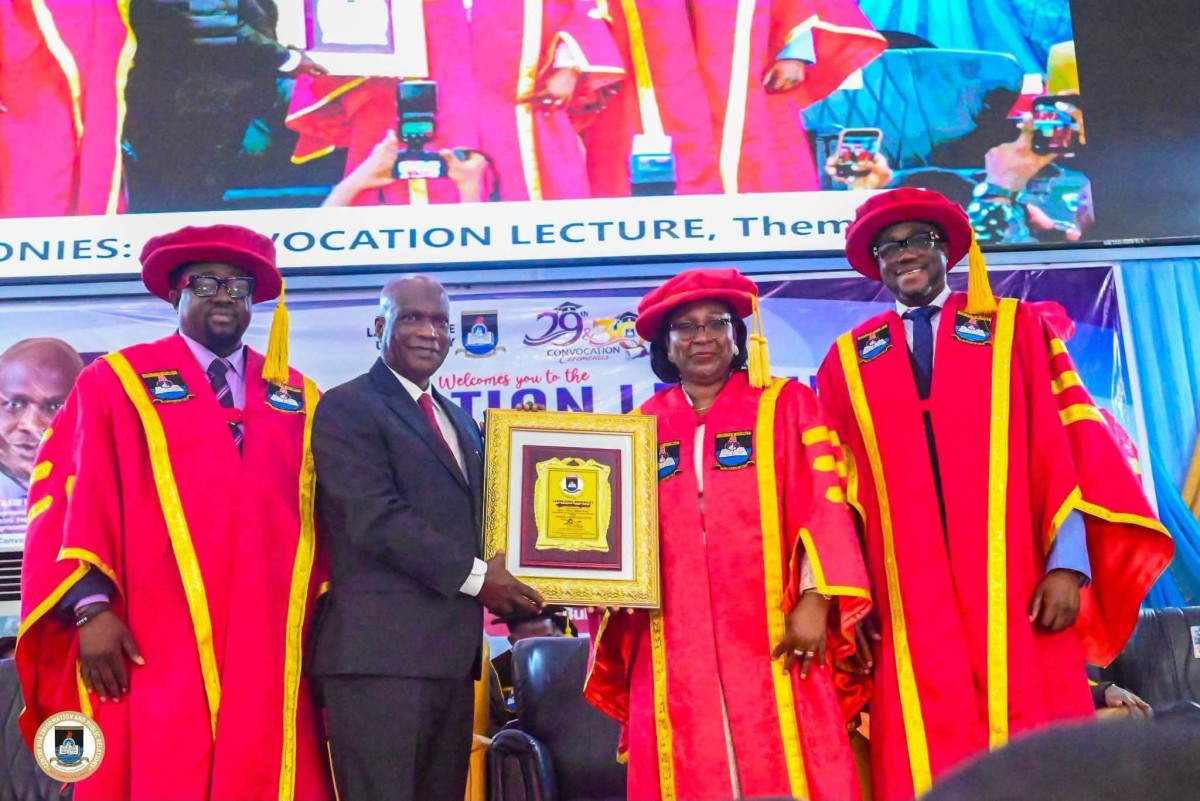
Eko Hot Blog reports that Raji made the call on Tuesday while delivering his welcome address as Chairman of the Combined 29th and 30th Convocation Lecture of Lagos State University (LASU).
The lecture, themed “From LASU to the World: Harnessing the Nigerian Diaspora as the 7th Region for Nation Development,” focused on the need for Nigeria to view its Diaspora as a strategic extension of its human capital and development capacity.
Raji described the theme as timely, noting that the increasing interconnectedness of the global economy has made talent, innovation and strategic partnerships essential ingredients for sustainable national growth.
He stressed that Nigeria’s major challenge is not a shortage of talented people, but the creation of an environment where its human capital can thrive and contribute meaningfully to development.
“In a world where talent, innovation, and strategic partnerships are key to development, nations that harness the creativity of their people will thrive.”
According to the lawmaker, Nigeria must broaden its approach to human capital development by creating stronger channels for experienced Nigerians in the Diaspora to contribute to the country, including through knowledge transfer, investment, innovation and the return of skilled manpower.
He noted that Nigerian professionals and entrepreneurs continue to make significant contributions globally across science, technology, medicine, business and the creative industries.
Raji said the country must therefore create the right conditions to retain its talents while also maintaining strong connections with Nigerians abroad.
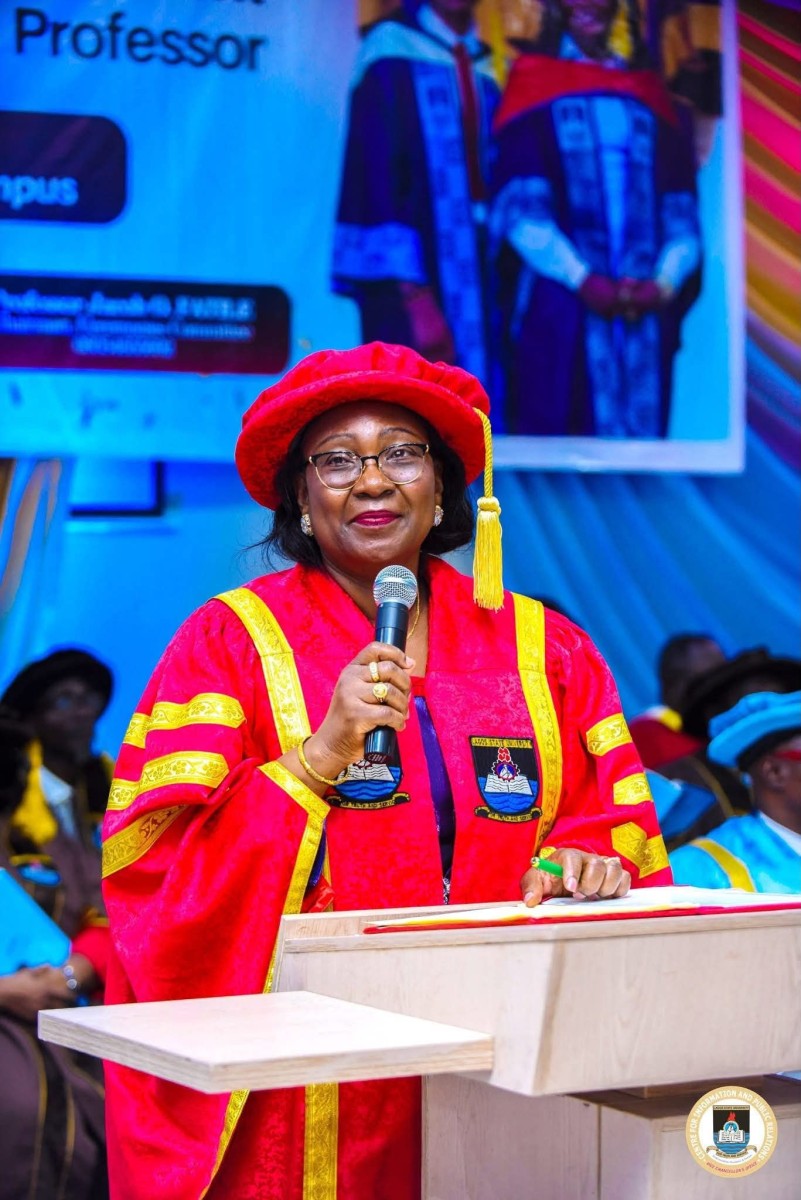
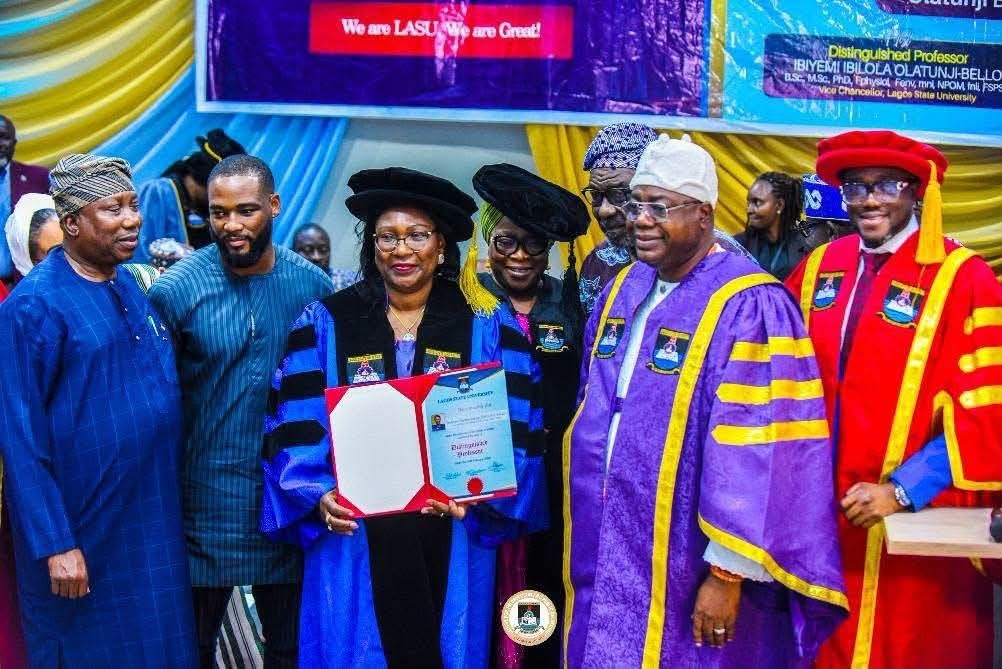
The federal lawmaker also commended the Vice-Chancellor of LASU, Prof. Ibiyemi Olatunji-Bello, for the transformation recorded at the university during her five-year tenure.
He highlighted improvements in infrastructure, academic programmes, research, innovation, staff welfare, student support and the institution’s growing visibility.
He noted that the transformation of LASU goes beyond physical projects such as lecture theatres, laboratories, libraries, hostels and road networks, stressing that the university has also strengthened the systems and opportunities supporting teaching, learning and research.
Raji attributed the progress to purposeful leadership, strategic planning and the collective efforts of the Governing Council, Management, Senate, staff, students, alumni and other stakeholders.
The lawmaker also used the occasion to commend the Vice-Chancellor’s leadership as an example of the value of greater female participation in leadership.
He said her achievements demonstrate the capacity of women to deliver effectively when given opportunities to lead, noting that her stewardship also reinforces the argument for the Reserved Seats for Women Bill currently before the House of Representatives.
Describing LASU as a “veritable factory of leaders and excellence,” Raji noted that the institution has produced professionals and leaders who have made their marks in academia, the judiciary, banking, public service, medicine, engineering, business, politics, media and entrepreneurship.
He stressed that LASU’s impact should not be measured only by the degrees it awards, but also by the contributions of its alumni to society both within Nigeria and across the world.
Addressing the graduating students, Raji urged them to see their education as a tool for solving societal challenges rather than merely obtaining academic qualifications.
He challenged the graduands to translate their knowledge into innovation, entrepreneurship, leadership and service, while embracing technology and building partnerships beyond Nigeria’s borders.
Raji also acknowledged the contributions of the Director-General of the Nigerians in Diaspora Commission (NIDCOM), Hon. Abike Dabiri-Erewa, to the promotion of Diaspora engagement in Nigeria.
He described the Nigerian Diaspora as one of the country’s strongest development partners, citing remittances, knowledge transfer, investment, innovation and global networks as areas where Nigerians abroad can contribute significantly to national growth.
The lawmaker urged participants at the lecture to move beyond discussions and ensure that ideas generated from the engagement are translated into practical policies and initiatives capable of advancing Nigeria’s development.





FURTHER READING