- Premium Motor Spirit (petrol) hit a peak of N1,413 per litre in Maiduguri, Borno State, according to the April 2026 sector report released by the Nigerian Midstream and Downstream Petroleum Regulatory Authority (NMDPRA).
- Local pump prices surged significantly following the escalation of the US-Iran conflict, which shuttered the critical Strait of Hormuz transport route and pushed Brent crude oil prices up to $120.55 per barrel.
- Despite the severe international market shocks, the domestic supply gap was significantly buffered by the Dangote Petroleum Refinery, which operated at a 99.12 percent capacity utilization rate.
The ongoing geopolitical warfare in the Middle East has heavily impacted local energy markets in Nigeria, pushing the actual market pump price of Premium Motor Spirit (petrol) to a high of N1,413 per litre in Maiduguri.
The latest sector data compiled by the Nigerian Midstream and Downstream Petroleum Regulatory Authority (NMDPRA) for April 2026 highlights a steep climb from the N839 average recorded back in February.
EDITOR’S PICK
- Fresh Details Emerge on Death of Odomola Monarch, Oba Adebowale Adeshina
- Sanwo-Olu Applauds LASU’s Academic Excellence After JAMB Ranking
- NRC Moves 176,820 Tonnes Of Cargo Through Lagos Ports In Q1
This dramatic price increase was triggered by the closure of the Strait of Hormuz, a crucial maritime corridor handling 20 percent of global oil supply, following an escalation in the US-Iran war.
The maritime blockade forced international Brent crude prices to skyrocket, directly raising costs for domestic fuel distribution.
The NMDPRA fact sheet revealed stark regional variations in actual pump prices across major Nigerian metropolitan centers during the period.
While Maiduguri felt the hardest impact at N1,413 per litre due to compounding logistics and distribution margins, other regions also saw heavy increases.
Actual maximum prices reached N1,400 in Sokoto, N1,390 in Kano and Enugu, N1,385 in Abuja, and N1,318 in Lagos.
These local market figures were calculated against an average national foreign exchange window rate of N1,361.22 to the US dollar alongside a dated Brent crude benchmark of $120.55 per barrel.
Despite these severe pricing pressures, the regulatory authority noted that complete systemic collapse was averted by an aggressive expansion in domestic refining outputs.
The Dangote Petroleum Refinery emerged as the primary anchor of national fuel availability, operating at a near-perfect capacity utilization rate of 99.12 percent throughout April.
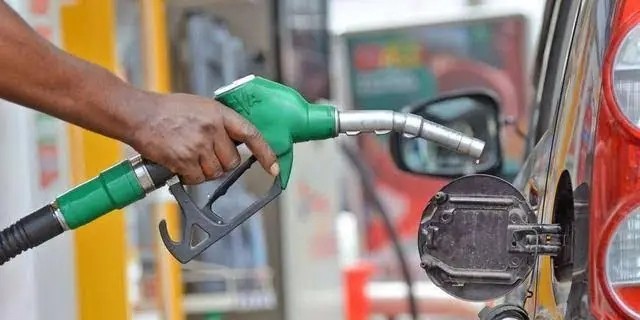
The facility produced an average of 53.6 million litres of petrol daily, pumping 40.7 million litres directly into the Nigerian domestic market while exporting the remaining 17.1 million litres.
This robust local output allowed fuel imports to drop sharply from 5.9 million litres per day in March to just 3.7 million litres in April.
Conversely, the structural transformation of the sector remained uneven as the three state-owned refineries in Port Harcourt, Warri, and Kaduna remained completely offline for the duration of the review period.
Minor contributions were recorded from modular facilities like WalterSmith, Edo Refinery, and Aradel, which combined to deliver 560,000 litres of diesel daily.
While the NMDPRA maintained that growing domestic refining capacity offers a strategic hedge for economic stability, the combination of international security tensions and domestic logistics constraints means everyday citizens continue to bear the financial weight of high fuel costs at the pumps.