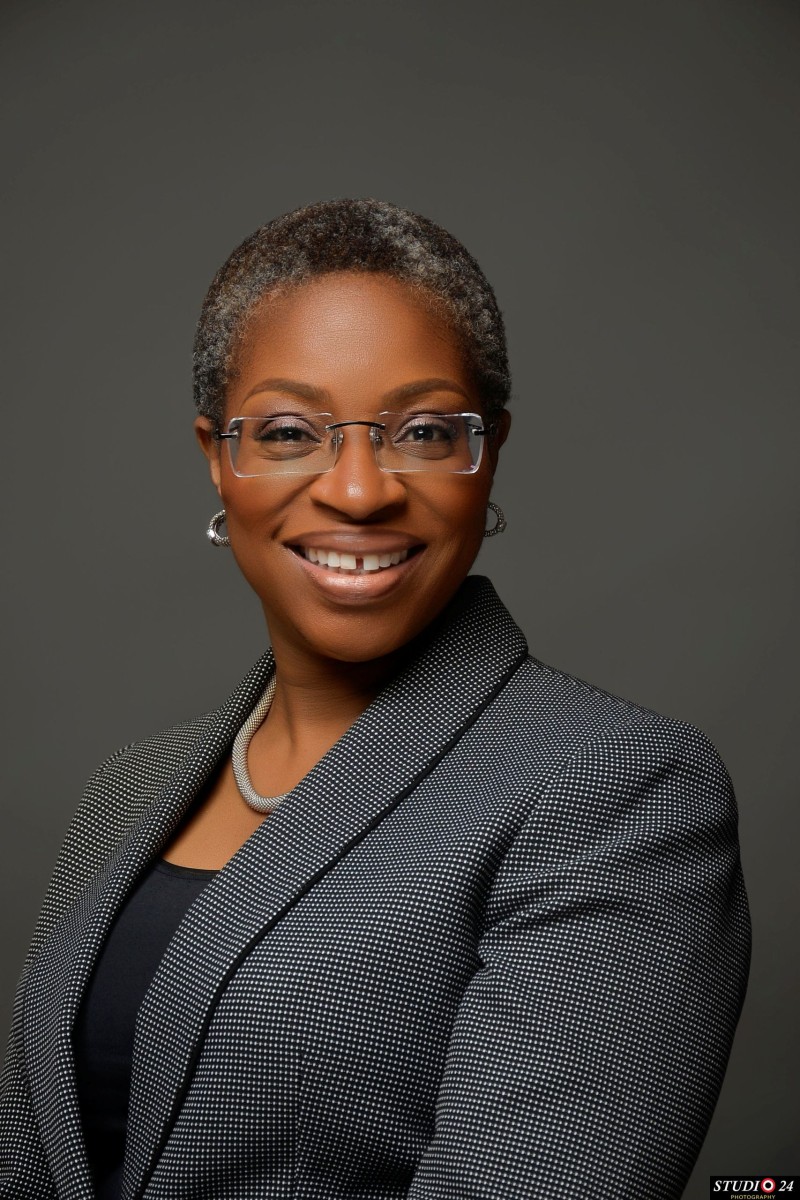
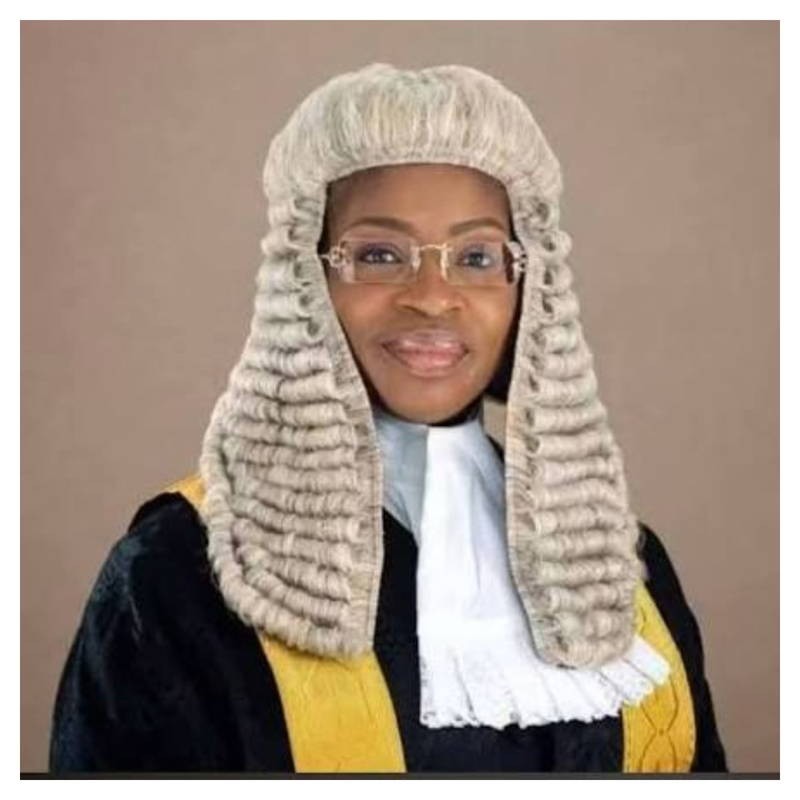
Her victory made her the first woman to be directly elected to lead the NBA and only the second female president in the association’s history, following Priscilla Kuye, who served between 1991 and 1992.
EDITOR’S PICKS
- FG Partners With Chinese Investors To Secure Land For 10,000-Home Mass Housing Project
- Intelligence Materials Were Shared With US, Not Seized – DHQ
- Man Arraigned in Adamawa Over Alleged Abuse Involving Daughter
She secured 12,317 votes, representing 47.18 per cent of ballots cast, defeating fellow Senior Advocates of Nigeria, Lateef Akangbe and Olumuyiwa Akinboro.
The milestone has rightly attracted national attention. President Bola Tinubu described her emergence as a triumph for merit and gender inclusion, expressing confidence that her leadership would strengthen the legal profession and promote access to justice.
Yet history alone will not define her tenure.
The Nigerian Bar Association occupies a unique position in Nigeria’s democratic journey. It is more than a professional association representing lawyers.
It has, over the years, become one of the country’s most influential civic voices, weighing in on constitutional disputes, judicial independence, electoral credibility, human rights and the rule of law.
Every NBA president inherits that responsibility and Mrs Badejo-Okusanya is no exception.
The celebration has begun and as we all know, the real work starts now.
Leading an Association Still Recovering From a Divisive Election
The election itself was not without controversy. Voting was disrupted by technical glitches on the electronic platform, while allegations of voter disenfranchisement and complaints about the credibility of the process surfaced during the exercise.
The Electoral Committee later attributed some of the disruptions to technical issues and a reported cyberattack before announcing the final results.
The immediate challenge before the incoming president is therefore internal.
Leadership begins with restoring confidence among members who questioned aspects of the electoral process. Professional associations depend on trust. When that trust is tested, reconciliation becomes just as important as governance.
Her ability to unite lawyers who supported different candidates may shape the tone of her administration from the very beginning.
Young Lawyers Want More Than Speeches
Perhaps no issue has generated more conversation within the legal profession than the welfare of young lawyers.
For years, junior practitioners have complained about poor remuneration, long working hours and limited opportunities despite the prestige associated with the profession.
Many newly qualified lawyers struggle to reconcile the public perception of legal practice with the realities they encounter after being called to the Bar.
Mrs Badejo-Okusanya has already signalled that improving the lives of lawyers will be a priority, saying she intends to build an NBA where members “live better.”
Turning that promise into measurable reforms will likely become one of the defining tests of her presidency.
The NBA’s Voice Must Remain Independent
The NBA has never existed in isolation from national affairs. From military rule to democratic transitions, the association has repeatedly spoken on issues extending beyond the courtroom.
Whether challenging executive actions, defending constitutional rights or advocating judicial independence, successive NBA administrations have often found themselves at the centre of national conversations.
That tradition places a unique burden on every president.
The office requires balancing engagement with government while preserving the association’s independence.
At a time when public confidence in institutions is frequently debated, maintaining that balance may prove one of the administration’s greatest responsibilities.
Access to Justice Must Become More Than a Slogan
Justice exists only when people can realistically obtain it.
For many Nigerians, litigation remains expensive, slow and intimidating.
Court delays, procedural complexity and the financial cost of pursuing legal action continue to discourage citizens from seeking judicial remedies.
Although these challenges extend beyond the NBA alone, the association has consistently advocated reforms aimed at strengthening legal aid, improving judicial administration and expanding access to justice.
The incoming leadership has an opportunity to continue those conversations while working with relevant institutions to support practical reforms.
Success in this area would benefit not only lawyers but millions of Nigerians who depend on the justice system.
Technology Is Changing Legal Practice
The legal profession is undergoing profound change. Artificial intelligence, electronic filing systems, virtual hearings and digital legal research are rapidly transforming how lawyers work around the world.
For the Nigerian Bar Association, adapting to these changes is no longer optional.
The challenge is not simply embracing technology but ensuring that lawyers across the country, regardless of age or location, have the skills and opportunities to remain competitive in an increasingly digital profession.
Preparing the Bar for that future may become one of the most consequential legacies of the new administration.
History Opens the Door. Leadership Keeps It Open
Much has already been said about the symbolism of Mrs Badejo-Okusanya’s election.
They inspire confidence, widen possibilities and remind younger professionals that leadership is attainable.
But symbols eventually give way to performance.
The questions that will define her presidency are no longer about who she is. They are about what she does.
Can she strengthen confidence within the association after a contentious election?
Can she improve the welfare of lawyers, particularly younger practitioners?
Can she preserve the NBA’s independence while remaining an influential voice on national issues?
Can she help advance meaningful conversations about judicial reform and access to justice?
History has already recorded her election but her leadership will determine how it is remembered.