- The Electoral Act 2026 introduces structural, financial and technological adjustments aimed at improving election management
- Both chambers of the National Assembly harmonised the bill before it was signed into law by Bola Tinubu within 24 hours
- Presiding officers who obstruct electronic result transmission may face six months in jail or a ₦500,000 fine
The National Assembly of Nigeria has detailed sweeping changes introduced under the newly signed Electoral Act 2026, unveiling measures such as compulsory electronic transmission of results, mandatory use of the Bimodal Voter Accreditation System (BVAS), and digital membership registers for political parties.
The reforms, according to Senate Leader Opeyemi Bamidele, are the outcome of nearly two years of engagement with stakeholders, including the Independent National Electoral Commission, the Office of the Attorney-General of the Federation, civil society organisations and international development partners.
EDITOR’S PICK
- Troops Intercept Suspected Gun Runner, Seize 969 Rounds of Ammunition in Taraba
- Lagos Receives $1m Japanese Support to Prevent Cholera Outbreak
- Eniola Badmus: Mindset Transformation Is Secret To My 80kg Weight Loss Success
Broad-Based Consultations
In a statement released by his Directorate of Media and Public Affairs, Bamidele described the legislation as a product of collective input, noting that recommendations from various groups were incorporated before the bill was forwarded for presidential approval.
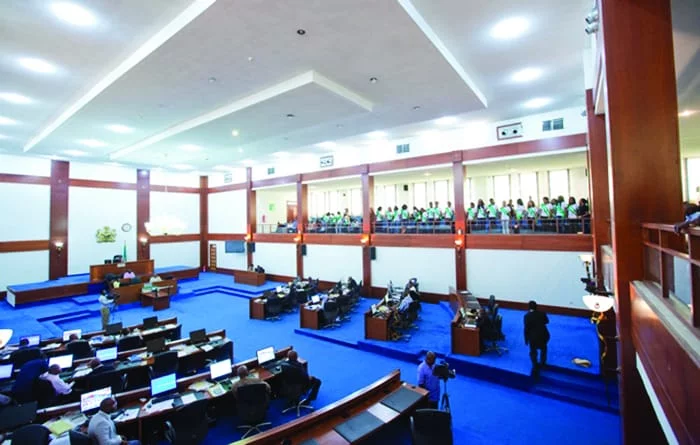
Both chambers of the National Assembly harmonised the bill before it was signed into law by Bola Tinubu within 24 hours, a step lawmakers say was necessary to avert potential constitutional complications ahead of the 2027 general elections.
Major Highlights of the Act
The Electoral Act 2026 introduces structural, financial and technological adjustments aimed at improving election management. Among them is the creation of a dedicated fund for INEC to guarantee financial autonomy, with election funds required to be released at least six months before polls.
The law also makes BVAS accreditation compulsory for voter verification and mandates electronic transmission of polling unit results to INEC’s Result Viewing Portal (IReV). Non-compliance attracts legal consequences.
Political parties are now required to maintain verified digital membership databases and submit them to INEC at least 21 days before conducting primaries.
Stiffer Sanctions
The legislation strengthens penalties for electoral offences. Resident Electoral Commissioners who fail to release critical documents risk a two-year prison term. Presiding officers who obstruct electronic result transmission may face six months in jail or a ₦500,000 fine.
Vote buying, impersonation and tampering with results now carry penalties of up to two years’ imprisonment or fines ranging from ₦500,000 to ₦2 million. Political parties that fail to provide accurate audited financial reports could be fined as much as ₦10 million.
Changes to Primaries and Spending Caps
Indirect primaries have been scrapped, leaving only direct and consensus methods in a bid to reduce delegate inducement and expand participation.
Campaign expenditure ceilings have also been revised upward: presidential candidates may now spend up to ₦10 billion, governorship candidates ₦3 billion, senatorial hopefuls ₦500 million, and House of Representatives candidates ₦250 million.
FURTHER READING