- She called for a change in public perception, arguing that teaching should be recognised as a prestigious and essential profession
- The NCCE boss also appealed to the media to support efforts aimed at repositioning teacher education
- the impact of poor teaching extends far beyond the classroom, as mistakes made in educating children can have lasting consequences on society
The Executive Secretary of the National Commission for Colleges of Education, Angela Ajala, has warned that Nigeria’s future development could be jeopardised if adequate attention is not given to teacher education.
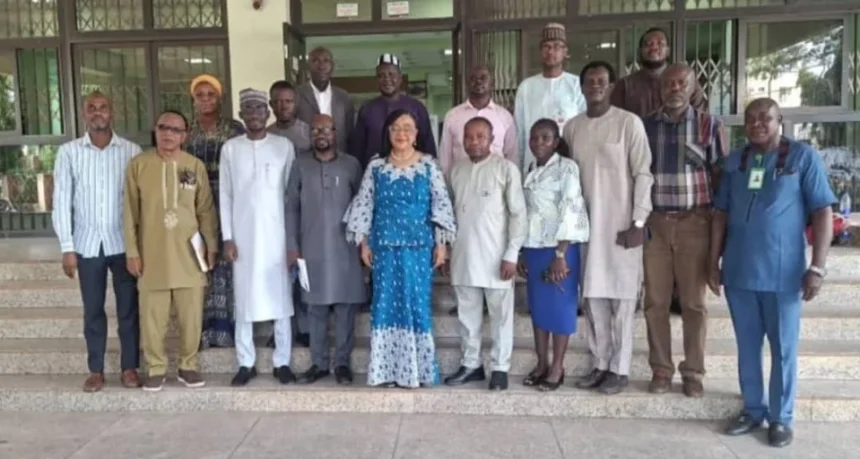
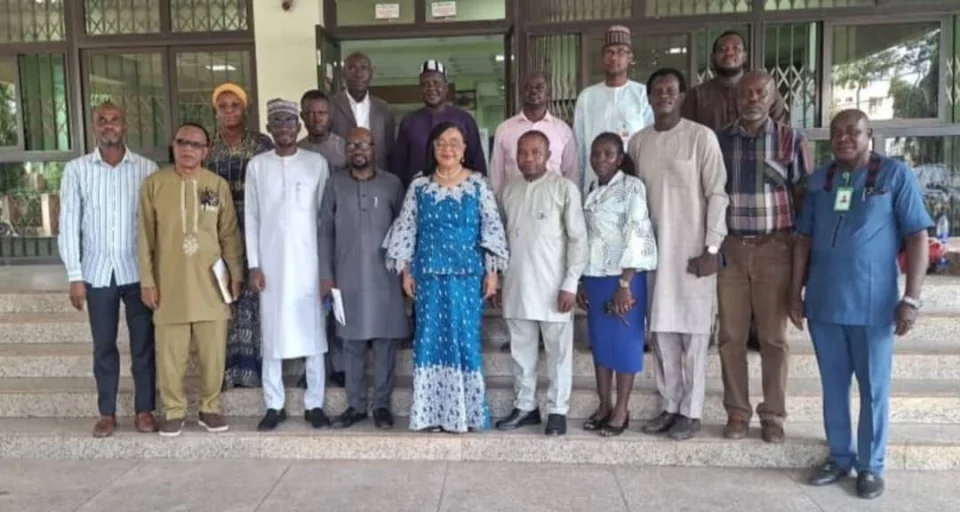
Speaking in Abuja during a courtesy visit by the Education Correspondents Association of Nigeria (ECAN), Eko Hot Blog gathered that Ajala stressed that teachers remain the foundation upon which every profession is built.
EDITOR’S PICK
- APM Endorses Makinde For 2027 Presidency, Targets PDP Members In Osun
- Eredo Monarchs Suspend Ojude Oba Celebrations in Honour of Late Omola of Odomola
- “Do Not Cheat Back”—Actress Eriata Ese Warns Women Against Revenge Infidelity
She noted that doctors, engineers, scientists, entrepreneurs, political leaders and other professionals all pass through the hands of teachers, making quality teacher training critical to national progress.
According to her, the impact of poor teaching extends far beyond the classroom, as mistakes made in educating children can have lasting consequences on society.
Ajala expressed concern over what she described as the declining value placed on the teaching profession, lamenting that teachers no longer enjoy the level of respect they once commanded in society.
She called for a change in public perception, arguing that teaching should be recognised as a prestigious and essential profession rather than a last-resort career option.
The NCCE boss also appealed to the media to support efforts aimed at repositioning teacher education, saying journalists play a vital role in shaping public opinion and influencing policy discussions.
Addressing concerns over recent admission reforms in Colleges of Education, Ajala defended the decision to remove the compulsory requirement of the Unified Tertiary Matriculation Examination for admission into some programmes. She explained that the policy was based on research, data and projections designed to strengthen teacher education.
She further warned that Nigeria could face a shortage of qualified teachers if enrolment in Colleges of Education continues to decline.
According to her, some institutions currently record very low student numbers across several programmes, a trend she described as worrying for the future of the education sector.
Ajala highlighted ongoing reforms aimed at improving the quality and global relevance of teacher training, noting that curriculum reviews are being implemented to align Nigerian Colleges of Education with international best practices.
She maintained that while countries such as Finland and Singapore are often cited as examples of excellence in education, Nigeria’s curriculum is comparable in many respects, with implementation and public perception remaining the key challenges.
Earlier, ECAN Chairman, Chucks Ukwuatu, congratulated Ajala on becoming the first woman to head the commission and reaffirmed the association’s commitment to promoting quality reporting on education issues.
Both parties pledged to strengthen collaboration in advancing reforms and improving outcomes in teacher education across the country.
FURTHER READING